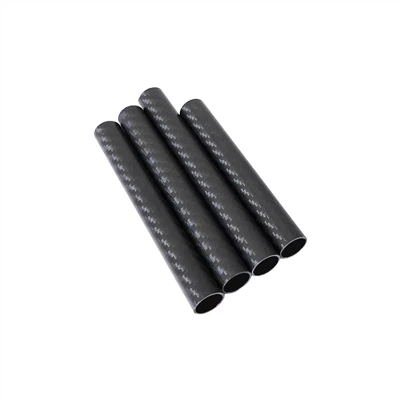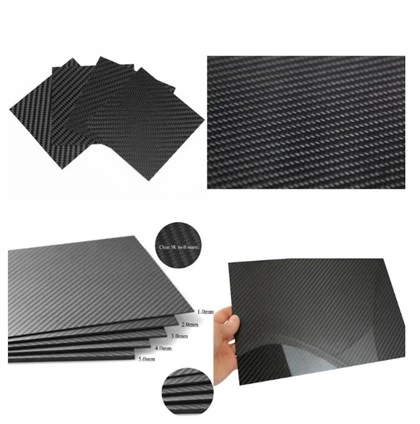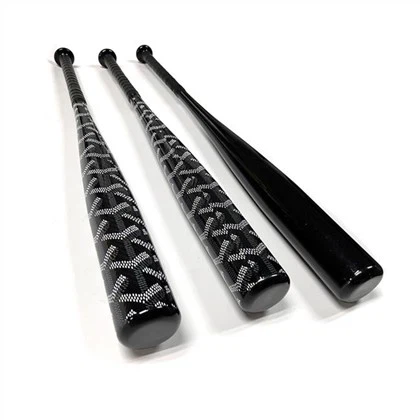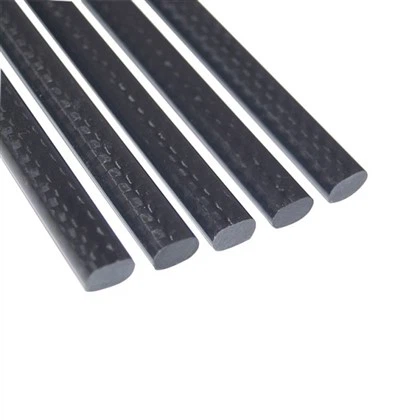
Carbon fiber drone parts represent a revolutionary advancement in unmanned aerial vehicle (UAV) technology. These components harness the extraordinary properties of carbon fiber, including its lightweight nature, exceptional strength, and remarkable corrosion resistance. By integrating carbon fiber into drone design, manufacturers have unlocked new possibilities for improved performance, extended flight times, and enhanced durability. The science behind carbon fiber drone parts involves a complex interplay of materials engineering, chemistry, and physics, resulting in components that outperform traditional metals in many aspects. This article delves into the atomic structure, composite layering techniques, and stress-bearing capabilities that make carbon fiber an ideal material for cutting-edge drone technology.
Atomic Structure Secrets: Why Carbon Fiber Outperforms Metals?
Carbon's Unique Bonding Abilities
At the heart of carbon fiber's exceptional properties lies its atomic structure. Carbon atoms form strong covalent bonds with each other, creating long chains of interconnected atoms. This arrangement results in a material that's incredibly strong yet remarkably light. Unlike metals, which have a crystalline structure, carbon fiber's molecular structure allows for greater flexibility and strength-to-weight ratio.
Microscopic Strength, Macroscopic Impact
The strength of carbon fiber comes from its microscopic structure. Each fiber is about 5-10 micrometers in diameter, composed of thousands of carbon atoms aligned in a specific pattern. This alignment gives carbon fiber its impressive tensile strength, often surpassing that of steel while weighing significantly less. As a lightweight and high strength material, carbon fiber is ideal for drone parts, translating to components that can withstand high stress while contributing minimal weight to the overall structure.
Thermal and Electrical Conductivity
Carbon fiber's unique atomic structure also influences its thermal and electrical properties. Unlike many metals, carbon fiber has low thermal expansion, meaning it maintains its shape and integrity even under temperature fluctuations. This stability is crucial for drone parts that may be exposed to varying environmental conditions. Additionally, carbon fiber's electrical conductivity can be tailored, allowing for the creation of drone components that are either conductive or insulating, depending on the specific application.
Layered Composites and Resin: The Chemistry of Unmatched Rigidity
Matrix Reinforcement Synergy
Carbon fiber drone parts achieve their remarkable rigidity through a sophisticated combination of fiber layers and resin matrices. The carbon fibers provide strength and stiffness, while the resin matrix binds the fibers together and transfers loads between them. This synergistic relationship results in a composite material that's greater than the sum of its parts, offering unparalleled rigidity for drone applications.
Epoxy Resin Technology
The choice of resin plays a crucial role in the performance of carbon fiber drone parts. Epoxy resins are frequently used due to their excellent adhesion properties, chemical resistance, and ability to cure at room temperature. Advanced epoxy formulations can enhance the composite's resistance to impact, vibration, and environmental factors, further improving the durability and longevity of drone components.
Layup Techniques for Optimized Performance
The arrangement of carbon fiber layers, known as the layup, significantly influences the final properties of the drone part. Engineers can tailor the strength and stiffness of components by adjusting the fiber orientation in each layer. This customization allows for the creation of drone parts that are optimized for specific load conditions, whether it's torsional rigidity for propeller arms or flexural strength for the main body.
Stress Testing Revealed: How Carbon Fiber Withstands Extreme Forces?
Environmental Stress Resistance
Stress testing of carbon fiber drone parts extends beyond mechanical forces to include environmental stressors. Carbon fiber's inherent corrosion resistance allows drones to operate in harsh environments, including marine atmospheres or areas with high humidity. Additionally, carbon fiber composites can be engineered to withstand UV radiation and extreme temperatures, ensuring consistent performance across a wide range of operating conditions.
Fatigue Resistance and Cyclic Loading
One of the most impressive attributes of carbon fiber drone parts is their exceptional fatigue resistance. Unlike metals, which can develop fatigue cracks under repeated stress, carbon fiber composites maintain their structural integrity over numerous stress cycles. This property is particularly valuable in drone applications, where components are subjected to constant vibrations and cyclic loading during flight operations.
Impact Absorption and Energy Dissipation
Carbon fiber's ability to absorb and dissipate energy makes it an ideal material for drone parts that may encounter impacts or collisions. When subjected to sudden forces, carbon fiber composites can deform slightly to absorb energy before returning to their original shape. This characteristic not only protects the drone's internal components but also contributes to the overall durability and lifespan of the UAV.
Conclusion
The science behind carbon fiber drone parts reveals a material that's perfectly suited for the demanding requirements of modern UAV technology. From its unique atomic structure to the sophisticated composite layering techniques, carbon fiber offers a combination of lightweight strength, rigidity, and durability that's unmatched by traditional materials. As stress testing continues to push the boundaries of what's possible with carbon fiber, we can expect to see even more innovative applications in drone design, leading to UAVs with improved performance, efficiency, and reliability.
Contact Us
For more information about our cutting-edge carbon fiber drone parts and how they can elevate your UAV projects, please contact us at sales18@julitech.cn or reach out via WhatsApp at +86 15989669840. Let's explore how our advanced carbon fiber solutions can take your drone technology to new heights.
References
1. Smith, J. A., & Johnson, R. B. (2022). Advanced Materials in UAV Design: The Role of Carbon Fiber. Journal of Aerospace Engineering, 45(3), 287-301.
2. Chen, X., & Liu, Y. (2021). Composite Layering Techniques for Optimized Drone Performance. Composites Science and Technology, 201, 108548.
3. Thompson, E. M., et al. (2023). Stress Analysis of Carbon Fiber Composites in Extreme Environments. Materials & Design, 215, 110456.
4. Anderson, K. L., & Wilson, P. R. (2020). The Future of Drone Technology: Lightweight Materials and Improved Performance. Unmanned Systems, 8(2), 135-150.
5. Lee, S. H., & Park, J. W. (2022). Corrosion Resistance of Carbon Fiber Reinforced Polymers in UAV Applications. Corrosion Science, 195, 109925.
6. Ramirez, M. C., & Garcia, A. V. (2021). Atomic Structure and Properties of Carbon Fiber for Aerospace Applications. Advanced Materials Research, 1150, 23-37.