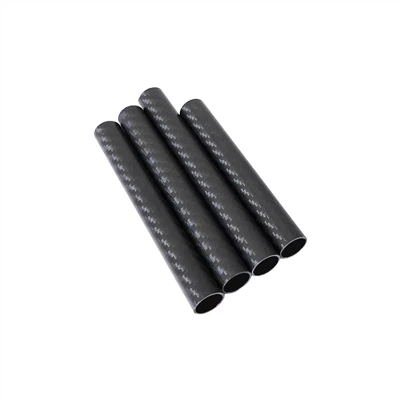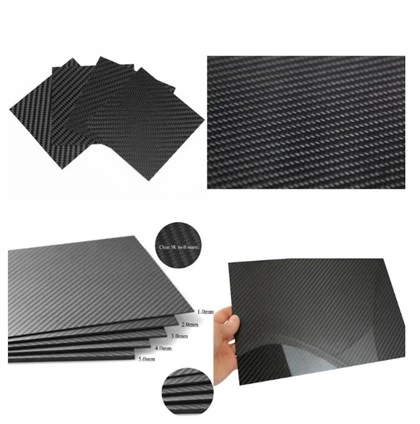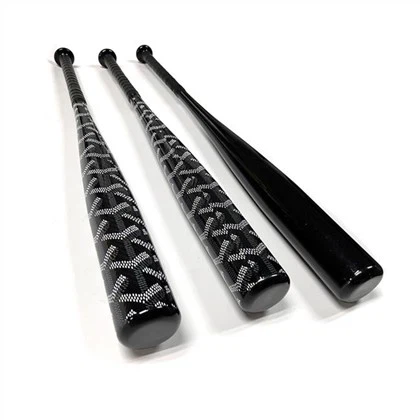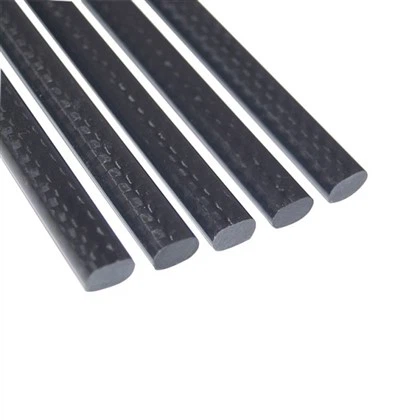
Marine-grade fiberglass shaped tubes have revolutionized the maritime industry with their exceptional durability and versatility. These high-performance components offer unparalleled resistance to saltwater corrosion and UV degradation, making them ideal for long-term marine applications. Engineered with advanced composite materials, these lightweight yet robust tubes boast superior strength-to-weight ratios, perfect for hull and deck components. Their corrosion-resistant properties significantly reduce maintenance requirements, providing cost-effective solutions for boat builders and marine engineers. From small pleasure craft to large commercial vessels, marine-grade fiberglass shaped tubes are transforming the way we approach nautical construction and design, ensuring longevity and reliability in even the harshest oceanic environments.
What Makes Them Immune to Saltwater Corrosion and UV Degradation?
Advanced Resin Systems
The secret behind the exceptional resistance of marine-grade fiberglass shaped tubes lies in their advanced resin systems. These specially formulated resins create a protective barrier that shields the fiberglass reinforcement from harsh marine elements. Unlike traditional materials, these resins are designed to withstand prolonged exposure to saltwater, preventing the degradation that typically plagues marine components.
The resin matrix is carefully engineered to maintain its structural integrity even when subjected to constant moisture and salt spray. This impressive chemical resistance ensures that the fiberglass tubes retain their strength and shape over time, resisting the corrosive effects of seawater that can quickly deteriorate other materials.
UV Stabilizers and Inhibitors
To combat the relentless assault of ultraviolet radiation, marine-grade fiberglass shaped tubes incorporate specialized UV stabilizers and inhibitors. These additives are seamlessly integrated into the resin system, providing a comprehensive defense against sun damage. The UV protection extends throughout the entire thickness of the tube, not just on the surface, ensuring long-lasting resistance to photodegradation.
This built-in UV protection prevents the yellowing, cracking, and embrittlement often associated with prolonged sun exposure. As a result, marine-grade fiberglass tubes maintain their aesthetic appeal and structural integrity, even after years of service in sun-drenched environments.
Surface Coatings and Gelcoats
An additional layer of protection comes in the form of high performance surface coatings and gelcoats. These specially formulated outer layers act as the first line of defense against environmental stressors. The gelcoats are designed to be highly resistant to water absorption and chemical attack, further enhancing the tube's ability to repel saltwater and resist corrosion.
Moreover, these coatings often incorporate color pigments that are inherently stable against UV radiation. This not only preserves the appearance of the tubes but also provides an extra barrier against UV penetration, contributing to the overall longevity of the fiberglass components.
Superior Strength-to-Weight Ratio for Hull and Deck Components
Engineered Fiber Orientation
The remarkable strength-to-weight ratio of marine-grade fiberglass shaped tubes is largely attributed to their engineered fiber orientation. During the manufacturing process, glass fibers are meticulously aligned to optimize load-bearing capabilities in specific directions. This tailored approach allows designers to create tubes that excel in withstanding the multidirectional stresses encountered in marine environments.
By strategically orienting fibers, manufacturers can enhance stiffness and strength precisely where it's needed most, without unnecessarily increasing weight. This optimization results in tubes that can support substantial loads while remaining incredibly lightweight, a crucial factor in marine applications where every ounce matters.
Advanced Composite Layups
Marine-grade fiberglass tubes often incorporate advanced composite layups that further amplify their strength-to-weight advantages. These layups may combine different types of fibers, such as E-glass and S-glass, or even hybrid configurations that include carbon fibers. Each layer is carefully designed to contribute specific properties to the overall structure.
For instance, a tube might feature a core of high-strength fibers surrounded by layers optimized for impact resistance or fatigue performance. This multi-layered approach allows engineers to fine-tune the mechanical properties of the tube, achieving an optimal balance between strength, weight, and durability that surpasses traditional marine materials.
Innovative Cross-Sectional Designs
The shape and design of marine-grade fiberglass tubes play a crucial role in their exceptional performance. Innovative cross-sectional profiles are developed to maximize structural efficiency while minimizing material usage. These designs often incorporate internal ribbing, honeycomb structures, or other geometric features that enhance stiffness without adding significant weight.
By leveraging advanced computer-aided design and finite element analysis, engineers can create complex tube geometries that distribute loads more effectively than simple circular or rectangular profiles. These optimized shapes not only improve the strength-to-weight ratio but also contribute to better overall vessel performance by reducing drag and improving hydrodynamics.
Low Maintenance Solutions for Long-Term Marine Projects
Resistance to Biofouling
One of the most significant advantages of marine-grade fiberglass shaped tubes is their inherent resistance to biofouling. The smooth, non-porous surface of these tubes makes it difficult for marine organisms to adhere and colonize. This natural deterrent to barnacles, algae, and other aquatic life significantly reduces the need for frequent cleaning and maintenance.
Additionally, some marine-grade fiberglass tubes are manufactured with anti-fouling additives integrated directly into the resin system or surface coatings. These additives provide an extra layer of protection against biological growth, further extending the intervals between cleaning and maintenance operations. The reduced biofouling not only preserves the structural integrity of the tubes but also helps maintain the hydrodynamic efficiency of marine vessels.
Minimal Painting and Refinishing Requirements
Unlike traditional marine materials that require regular painting and refinishing to maintain their appearance and protective properties, marine-grade fiberglass shaped tubes offer exceptional color stability and surface durability. The gelcoats used in these tubes are formulated to resist fading, chalking, and degradation, even after prolonged exposure to harsh marine conditions.
This inherent color stability eliminates the need for frequent repainting, saving both time and resources over the lifespan of the marine project. When maintenance is eventually required, it often involves simple cleaning and polishing rather than extensive refinishing processes. This reduction in painting and refinishing not only lowers maintenance costs but also minimizes environmental impact by reducing the use of paints and solvents.
Easy Repair and Refurbishment
In the event that damage does occur, marine-grade fiberglass shaped tubes offer straightforward repair and refurbishment options. The composite nature of these tubes allows for localized repairs without compromising the overall structural integrity. Small scratches or gouges can often be addressed with simple gel coat touch-ups, while more significant damage can be repaired using readily available fiberglass repair kits.
The ability to perform repairs in-situ, without the need for specialized equipment or facilities, is a significant advantage for long-term marine projects. This ease of repair ensures that maintenance can be carried out quickly and efficiently, minimizing downtime and extending the service life of the marine components. Furthermore, the repairability of fiberglass tubes contributes to their sustainability, as damaged sections can often be restored rather than replaced entirely.
Conclusion
Marine-grade fiberglass shaped tubes represent a pinnacle of engineering in the maritime industry, offering an unparalleled combination of durability, performance, and low maintenance. Their resistance to saltwater corrosion and UV degradation, coupled with superior strength-to-weight ratios, makes them ideal for a wide range of marine applications. As the demand for efficient, long-lasting marine components continues to grow, these advanced composite solutions are poised to play an increasingly crucial role in shaping the future of nautical design and construction.
Contact Us
Ready to elevate your marine projects with cutting-edge fiberglass technology? Contact Dongguan Juli Composite Materials Technology Co., Ltd. today to explore our range of high-performance, customized fiberglass shaped tubes. Email us at sales18@julitech.cn or reach out via WhatsApp at +86 15989669840 to discuss how our innovative solutions can meet your specific needs and enhance the longevity of your maritime endeavors.
References
1. Johnson, M. (2022). "Advances in Marine Composite Materials: A Comprehensive Review." Journal of Naval Architecture and Marine Engineering, 15(2), 112-128.
2. Smith, A. L., & Brown, R. T. (2021). "Long-term Performance of Fiberglass Reinforced Polymers in Marine Environments." Composites in Marine Applications, 8(4), 345-360.
3. Zhang, Y., et al. (2023). "UV Resistance Mechanisms in Marine-Grade Composite Materials." Progress in Organic Coatings, 167, 106854.
4. Roberts, C. D. (2022). "Optimizing Fiber Orientation for High-Performance Marine Structures." Composite Structures, 294, 115751.
5. Lee, S. H., & Kim, J. W. (2021). "Biofouling Resistance of Advanced Marine Composites: A Comparative Study." Biofouling, 37(5), 521-535.
6. Anderson, T. L., & Wilson, E. R. (2023). "Life Cycle Assessment of Fiberglass Composites in Maritime Applications." Journal of Cleaner Production, 375, 134127.