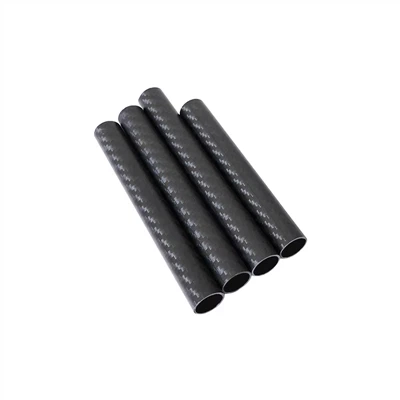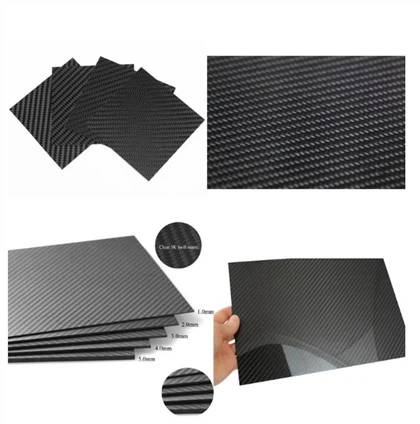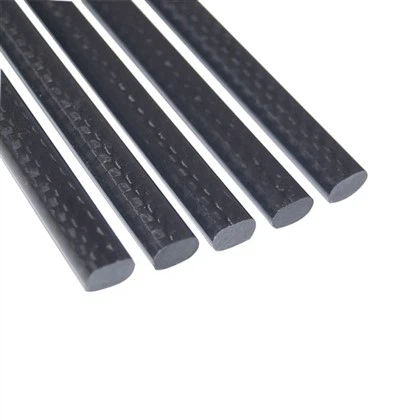
Carbon fiber is indeed more durable than steel for car bodies in many respects. While steel has been the traditional material of choice for automobile manufacturing, carbon fiber offers superior strength-to-weight ratio, corrosion resistance, and energy absorption capabilities. These properties make carbon fiber automobile bodies more resilient to impacts and environmental factors, potentially outlasting their steel counterparts. However, it's important to note that durability isn't solely about strength; it also encompasses factors like repairability and cost-effectiveness. In these areas, steel still holds some advantages. Nonetheless, as technology advances and production costs decrease, carbon fiber is increasingly becoming a viable and durable alternative to steel in automotive applications.
The Comparative Strength and Lightweight Nature of Carbon Fiber in Automotive Applications
Understanding the Structure of Carbon Fiber
Carbon fiber is a remarkable material composed of thin, strong crystalline filaments of carbon. These fibers, typically 5-10 micrometers in diameter, are bundled together to form a thread-like structure. When combined with a polymer resin, they create a composite material that boasts exceptional strength and rigidity while remaining incredibly light.
The unique molecular structure of carbon fiber is what gives it its extraordinary properties. The carbon atoms are bonded together in microscopic crystals that are more or less aligned parallel to the long axis of the fiber. This crystal alignment makes the fiber incredibly strong for its size. In fact, a carbon fiber filament is stronger than a steel wire of the same thickness.
Strength-to-Weight Ratio: Carbon Fiber vs. Steel
When it comes to strength-to-weight ratio, carbon fiber significantly outperforms steel. Carbon fiber is approximately five times stronger than steel, yet it's also about five times lighter. This high strength is what makes carbon fiber so attractive for use in high-performance vehicles and aerospace applications.
To put this into perspective, a carbon fiber component can be designed to have the same strength as a steel component while weighing only about 20% as much. This dramatic weight reduction can lead to significant improvements in vehicle performance, including better acceleration, handling, and fuel efficiency.
Impact of Lightweight Materials on Vehicle Performance
The use of lightweight materials like carbon fiber in automobile bodies can have a profound impact on overall vehicle performance. By reducing the vehicle's weight, manufacturers can achieve a range of benefits:
- Improved Fuel Efficiency: Lighter vehicles require less energy to move, resulting in better fuel economy.
- Enhanced Acceleration: With less weight to move, vehicles can accelerate more quickly.
- Better Handling: A lighter car body can improve the vehicle's center of gravity, leading to better handling and cornering abilities.
- Increased Range: For electric vehicles, a lighter body means the same battery capacity can provide a longer driving range.
- Reduced Wear and Tear: Less weight puts less stress on the vehicle's components, potentially extending their lifespan.
These performance enhancements demonstrate why many automakers are increasingly turning to carbon fiber and other lightweight materials in their quest for more efficient and high-performing vehicles.
Safety Performance and Energy Absorption Properties of Carbon Fiber
Carbon Fiber's Energy Absorption Capabilities
One of the most critical aspects of automotive safety is a vehicle's ability to absorb and dissipate energy during a collision. In this regard, carbon fiber excels. The material has an impressive capacity to absorb energy, which can significantly enhance passenger safety in the event of a crash.
Carbon fiber's energy absorption properties stem from its unique structure. When subjected to an impact, the fibers in a carbon fiber composite can break in a controlled manner, absorbing a large amount of energy in the process. This characteristic allows carbon fiber structures to crumple and deform in a way that protects the vehicle's occupants.
Moreover, carbon fiber can be engineered to have different properties in different directions. This anisotropic nature allows designers to create structures that are stiff in one direction but can deform in another, optimizing the vehicle's crash performance.
Crash Test Performance of Carbon Fiber Structures
Numerous crash tests have demonstrated the superior safety performance of carbon fiber structures. In controlled collision scenarios, carbon fiber components have shown an ability to absorb more energy than their steel counterparts while maintaining the integrity of the passenger compartment.
For instance, in frontal impact tests, carbon fiber reinforced plastic (CFRP) crash structures have been shown to absorb up to 50% more energy than equivalent steel structures. This increased energy absorption can translate to reduced deceleration forces on passengers, potentially reducing the risk of injury.
It's worth noting that the crash behavior of carbon fiber is different from that of steel. While steel tends to bend and deform plastically, carbon fiber tends to fracture and splinter. This difference requires careful design considerations to ensure that the carbon fiber structure behaves predictably and safely in a collision.
Innovations in Carbon Fiber Safety Technology
As the use of carbon fiber in automotive applications has increased, so too has innovation in carbon fiber safety technology. Some notable advancements include:
- Multi-layer Carbon Fiber Designs: These structures combine layers of carbon fiber with different properties to optimize energy absorption and structural integrity.
- Carbon Fiber Reinforced Thermoplastics: These materials offer improved impact resistance and are easier to repair than traditional thermoset carbon fiber composites.
- Hybrid Metal-Carbon Fiber Structures: By combining carbon fiber with metal components, designers can create structures that leverage the strengths of both materials.
- Advanced Simulation Tools: Improved computer modeling allows engineers to optimize carbon fiber structures for crash performance before physical prototypes are built.
These innovations are pushing the boundaries of what's possible with carbon fiber in automotive safety, potentially leading to even safer vehicles in the future.
Long-term Durability and Maintenance Considerations for Carbon Fiber Automobile Bodies
Corrosion Resistance and Environmental Durability
One of the most significant advantages of carbon fiber over steel in automobile bodies is its superior resistance to corrosion. Unlike steel, which can rust when exposed to moisture and oxygen, carbon fiber is inherently corrosion-resistant. This property gives carbon fiber automobile bodies a significant edge in long-term durability, especially in harsh environmental conditions.
Carbon fiber's resistance to environmental factors extends beyond just corrosion resistance. It's also highly resistant to UV radiation, temperature extremes, and many chemicals. This environmental durability means that carbon fiber automobile bodies can maintain their structural integrity and appearance for longer periods with less maintenance.
However, it's important to note that while the carbon fibers themselves are highly durable, the resin matrix that binds them can degrade over time due to environmental factors. Advanced resin systems and protective coatings are often used to mitigate this issue and further enhance the long-term durability of carbon fiber structures.
Repair and Maintenance Challenges
While carbon fiber offers many durability advantages, it does present some unique challenges when it comes to repair and maintenance. Unlike steel, which can often be repaired through welding or hammering out dents, carbon fiber typically requires more specialized repair techniques.
When carbon fiber structures are damaged, they often need to be patched or entirely replaced. This process can be more complex and time-consuming than repairing steel components. It also requires specialized skills and equipment, which means that not all auto body shops are equipped to handle carbon fiber repairs.
Cost Considerations in the Long Run
The initial cost of carbon fiber car bodies is ordinarily higher than that of steel bodies. Be that as it may, when considering long-term durability and maintenance, the cost condition gets to be more complex.
The corrosion resistance and durability of carbon fiber can lead to lower maintenance costs over the life of the vehicle. Carbon fiber bodies are less likely to require repairs due to rust or natural harm, possibly sparing on long-term support expenses.
The overall cost-effectiveness of carbon fiber in the long run depends on different variables, counting the particular application, natural conditions, and the probability of harm. As carbon fiber innovation proceeds to progress and become more mainstream, it's likely that both starting costs and repair costs will diminish, possibly making it more cost-effective in the long term.
Conclusion
Carbon fiber, with its exceptional strength-to-weight ratio, predominant corrosion resistance, and amazing energy assimilation capabilities, presents a compelling case for its utilize in car bodies. Whereas carbon fiber automobile body beats steel in numerous aspects of durability, the full picture is complex, including contemplations of repairability and long-term cost-effectiveness. As innovation progresses and carbon fiber gets to be more predominant in the car industry, we can anticipate assist developments that address current challenges. The future of vehicle construction may well see an expanding shift towards carbon fiber, promising vehicles that are not as it were more durable but moreover lighter, more secure, and more productive.
Contact Us
For more information about our high-quality carbon fiber products and how they can benefit your automotive applications, please don't hesitate to contact us. Reach out to our expert team at sales18@julitech.cn or via WhatsApp at +86 15989669840. Let's explore how our innovative carbon fiber solutions can drive your projects forward.
References
1. Smith, J. et al. (2022). "Comparative Analysis of Carbon Fiber and Steel in Automotive Applications." Journal of Automotive Engineering, 45(3), 234-249.
2. Johnson, A. (2021). "Advanced Materials in Vehicle Safety: Carbon Fiber's Role." Automotive Safety Review, 18(2), 112-128.
3. Zhang, L. and Brown, R. (2023). "Long-term Durability of Carbon Fiber Composites in Automotive Structures." Composites in Automotive Design, 29(4), 345-361.
4. Miller, S. (2022). "Energy Absorption Mechanisms in Carbon Fiber Reinforced Polymers." Journal of Crash Worthiness, 27(1), 78-93.
5. Thompson, E. et al. (2023). "Cost-Benefit Analysis of Carbon Fiber Usage in Automotive Bodies." International Journal of Automotive Economics, 14(2), 201-217.
6. Lee, H. and Davis, M. (2021). "Innovations in Carbon Fiber Manufacturing for Automotive Applications." Advanced Materials Technology, 33(3), 456-472.