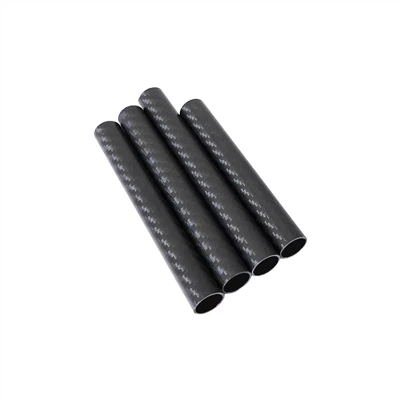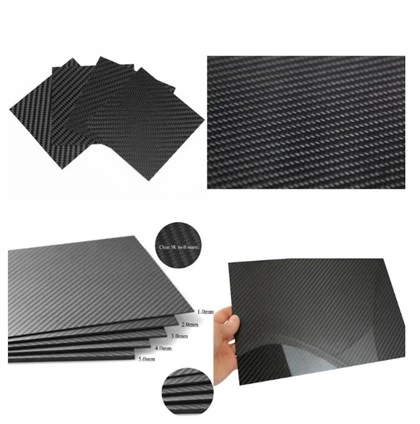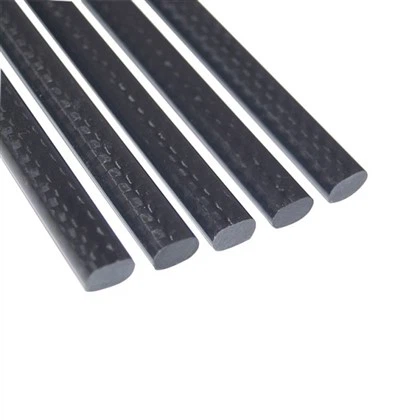
The exceptional strength-to-weight ratio of carbon fiber trekking poles has transformed the hiking experience for beginners and experienced explorers alike. These innovative poles not only provide assistance on the trail, but also support. They act as a complex extension of the body, reducing joint strain and enhancing stability and endurance. However, choosing the wrong size or using them improperly can undermine their benefits, leading to discomfort and unnecessary stress.
Why Proper Adjustment of Carbon Fiber Trekking Poles is Crucial
This high-performance composite material is made of carbon atoms arranged in a crystalline structure, creating a strong yet lightweight material that reduces swing weight and helps minimize fatigue over long distances. However, the benefits of trekking poles are only fully realized when they are properly adjusted to match your body mechanics and the terrain. An incorrect setup can cause shoulder and neck strain, wrist discomfort, and decreased stability, turning a valuable aid into an unnecessary burden.
Recent biomechanical research reinforces the importance of trekking poles in outdoor activities. For example, a review in Wilderness and Environmental Medicine reports that poles can significantly reduce stress and load on the lower extremities, which is particularly helpful when carrying a heavy backpack. However, the same study also observed increased cardiovascular demand due to the engagement of upper body muscles. This emphasizes the importance of proper alignment to ensure that additional effort is converted into efficient propulsion rather than wasted energy and strain.
What is the correct height for carbon fiber trekking poles on flat terrain?
The key to adjusting your trekking poles begins with setting the proper height for walking on flat or gently rolling terrain. This baseline serves as the foundation for all other adjustments. A widely accepted guideline is the 90-degree elbow bend rule. To determine the correct length, stand on level ground wearing hiking shoes, hold the handle of your trekking pole, and place the tip on the ground next to your foot. Adjust the pole until your elbow forms a right angle and your forearm is parallel to the ground. This position supports neutral wrist alignment, allowing you to transfer maximum power from your upper body with every step.
For poles with three adjustment sections, the typical approach is to position the upper section in the middle of its range and then fine-tune the length using the lower section. This ensures both locking mechanisms remain secure, while allowing for easy length adjustments as needed during the hike. Alternatively, some experienced hikers prefer to fully extend the lower section to its "stop" mark and rely on the middle section for adjustments, a method that simplifies quick changes on the trail.
How should trekking poles be adjusted for uphill and downhill sections?
The dynamic nature of hiking trails, including ascents and descents, requires constant adjustment of your carbon fiber trekking poles. Maintaining the same pole length on all terrains is a common mistake that can compromise comfort and stability.
For uphill climbing
When ascending, shorten your trekking poles by about 5-10 cm (2-4 inches). This adjustment allows you to position the pole more effectively in front of your body without overextending your arms, giving you better leverage for pushing upward. By doing this, you'll engage your upper body muscles more effectively and reduce stress on your quadriceps and glutes. The goal is to maintain a strong, comfortable pushing motion without lifting your arms too high. Many carbon fiber trekking poles have extended foam grips below the main handle, allowing you to quickly change your hand position on shorter climbs without changing pole length.
For downhill climbs
When descending, extend your poles about 5-10 cm beyond your baseline flat setting. Longer poles allow you to plant them farther out, creating a more stable "four-point" stance that helps control your stride on steep descents. This adjustment is especially important for reducing stress on your knees, hips, and ankles. Studies show that trekking poles can reduce knee impact forces by up to 25%, a benefit most noticeable on downhill sections. Extending your poles can also help you stay more upright, improve balance, and reduce eccentric muscle strains that often lead to next-day soreness.
Are you using the wrist strap correctly for optimal comfort?
One of the most overlooked and misunderstood elements of carbon fiber trekking poles is the wrist strap. Far from being a simple lanyard to prevent you from dropping the pole, it's a key component to comfort and efficiency. When used correctly, it allows you to transfer weight through your wrist rather than relying on a tight grip, reducing strain and fatigue on your hands and forearms. The correct technique for using the wrist strap, which can often feel counterintuitive, involves sliding your hand up over the base of the strap and then placing it on the handle. This positions the strap so it rests firmly against your heel and palm. This "over-under" approach creates a supportive cradle for your wrist, allowing you to push down on the strap and propel yourself forward with your relaxed hand. Your hand should be free to move, but the strap must be tight enough to provide support as you push off. When the strap is set up correctly, you can grip the handle lightly and easily, helping to prevent wrist strain and hand fatigue on long hikes. This technique is especially important for those beginning long-distance hikes and is a key consideration when choosing the best carbon fiber trekking poles for hiking.
What is the difference in durability between carbon fiber and aluminum trekking poles?
A factor often considered when choosing trekking poles is the difference in durability between carbon fiber and aluminum models. Aluminum poles are typically made of 7075 alloy, a material valued for its toughness. These poles can withstand tremendous pressure, and when they do fail, they typically bend rather than break. In contrast, carbon fiber poles perform well under vertical compression but are more susceptible to damage from strong lateral impacts. For example, a sharp impact against rock can cause a carbon fiber shaft to crack or shatter, while an aluminum pole is more likely to dent. However, advances in carbon fiber technology, such as the use of 3K carbon weave, have significantly improved their resilience. Ultimately, the decision between carbon fiber and aluminum poles often comes down to balancing weight and durability. Hikers who prioritize weight and storage may find the reduced weight and vibration-damping properties of carbon fiber poles well worth the higher cost and maintenance. On the other hand, hikers with heavier gear or who frequently trek through rough, rocky terrain may benefit more from the sturdiness and reliability of aluminum poles.
Conclusion
Choosing the right trekking poles and proper posture will help you maximize your outdoor activity. A properly adjusted trekking pole can transform from a simple walking stick into a powerful tool that reduces cumulative impact on joints, mobilizes your upper body to propel you forward, and provides exhilarating stability for tackling challenging terrain. By taking the time to adjust before and during a hike, you're not just setting up your gear; you're also preparing for a safer, more comfortable, and ultimately more enjoyable journey through the wilderness areas you love to explore.
Contact Us
For more information on our high-quality carbon fiber trekking poles, please contact us at sales18@julitech.cn or via WhatsApp at +86 18822947075. Our team at Dongguan Juli Composite Materials Technology Co., Ltd. is ready to help you enhance your outdoor sports experience with our innovative carbon fiber products.