In modern interior design and archival preservation, the materials we choose to store precious memories are just as important as the photographs themselves. While traditional frames made of wood, sterling silver, and glass have long held sway, the application of advanced composite materials is offering a more advantageous option-carbon fiber frames. Creating a personalized space with this high-performance material is not merely an aesthetic preference, but a rational decision based on engineering properties, seamlessly blending archival-grade stability with a modern, aerospace-inspired aesthetic. This article will delve into how carbon fiber frames are redefining personalized expression through material innovation and provide a practical guide to help you seamlessly integrate them into your daily life and spatial design.
Why is carbon fiber an ideal material for picture frames?
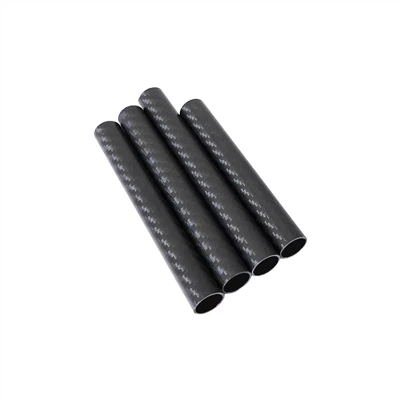
To understand how to create a unique space with carbon fiber picture frames, one must first understand its characteristics from a materials science perspective. Carbon fiber is a polymer-based composite material composed of extremely fine carbon atom fibers. The carbon atoms within these fibers are arranged in a regular crystalline structure and highly oriented along the fiber axis. When carbon fiber is woven into fabric and cured with an adhesive (usually epoxy resin), the resulting composite structure far surpasses steel and aluminum in strength-to-weight ratio. Choosing a carbon fiber picture frame is essentially choosing a high-performance material whose mechanical properties are determined by its modulus and tensile strength-the tensile strength of standard modulus carbon fiber typically reaches 3.5 to 4.5 GPa.
Unlike wood, which is prone to moisture absorption and warping, and metal, which is easily oxidized, carbon fiber exhibits excellent chemical properties and thermal stability. This means that using carbon fiber picture frames in home décor not only prevents the frame itself from aging or warping due to environmental changes, but also prevents the slow erosion of photos by acidic volatile substances commonly found in some low-quality wooden picture frames.
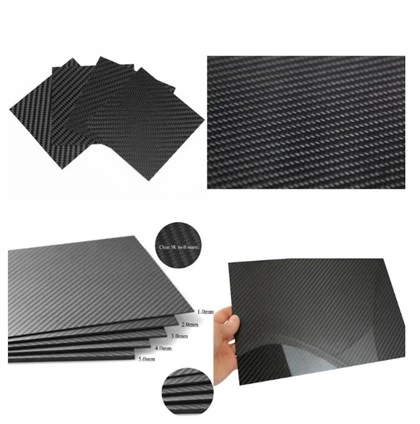
The advantages of carbon fiber picture frames go beyond just durability. Their surface, composed of a woven layer and epoxy resin, creates a unique visual depth as light refracts through the resin, resulting in a three-dimensional texture resembling a "cat's eye effect." This aesthetic appeal isn't an external embellishment but rather stems from the material's inherent geometric structure. Personalization is further enhanced by the choice of weaving method-especially the mainstream 3K 2×2 twill weave, whose signature texture is consistent with the visual language of high-performance supercars and precision watches.
In professional office spaces, such as executive offices and conference rooms of engineering companies, carbon fiber picture frames often convey a precise and modern aesthetic. Because carbon fiber has a near-zero coefficient of thermal expansion, the frames maintain stable dimensions and geometry even in environments with fluctuating temperatures, ensuring a long-term, secure fit between the glass and the back panel. It is precisely this engineering-grade stability that leads more and more collectors to choose carbon fiber frames to store limited-edition works and precious family photos.
Comparative Analysis of Picture Frame Materials
| Property | Carbon Fiber Photo Frames | Traditional Wood Frames | Aluminum Alloy Frames |
| Density (g/cm³) | ~1.6 (Lightweight) | 0.5 – 0.9 (Variable) | ~2.7 (Heavier) |
| Tensile Strength | ~3500 MPa (High) | ~40-100 MPa (Low) | ~310 MPa (Moderate) |
| Environmental Stability | Excellent (Inert, UV Stabilized) | Poor (Hygroscopic, Acidic) | Good (Prone to oxidation) |
| Thermal Expansion | Near Zero | High (Expands with humidity) | Moderate |
| Maintenance | Low (Wipe clean) | High (Polishing/Oiling) | Moderate (Polishing) |
How can manufacturing processes be adjusted to achieve personalization?
The manufacturing process of carbon fiber photo frames is quite intricate, allowing for a high degree of personalization-a fundamental difference from the mass production of plastic photo frames that rely on molds. High-quality carbon fiber photo frames typically employ a "prepreg" process, where the core material is carbon fiber fabric pre-impregnated with epoxy resin. To achieve stable structural performance and excellent appearance, most manufacturers use an autoclave for curing, using high temperature and pressure conditions to promote a full resin reaction and ensure tight bonding of the layers.
Personalization begins from the lay-up stage. While the classic black and gray twill texture is iconic, customized gifts, souvenirs, or high-end home décor often employ blended fibers to enhance visual distinctiveness. By interweaving colored Kevlar or metallized glass fibers into the fabric, colors such as red, blue, and silver can be directly integrated into the material itself without additional coating. The resulting colors and textures become part of the structural layers, rather than remaining on the surface coating, thus offering superior durability, scratch resistance, and visual depth.
Another way to personalize carbon fiber photo frames is through fine finishing and engraving of their surface. Since the frame's base is a cured thermosetting resin, techniques such as laser engraving can be used to directly etch dates, names, or logos onto the surface. The laser slightly ablates the resin layer, creating a subtle matte contrast on the glossy carbon fiber texture, leaving a clear, durable, and fade-resistant mark. Surface treatments also significantly impact the overall look of a carbon fiber photo frame. A "gloss" finish typically uses a high-solids-content clear coating, polished to give the woven texture a greater sense of depth, making it particularly striking under gallery lighting or focused illumination. Conversely, a "matte" or "satin" finish absorbs some light, presenting a more understated and restrained texture, often favored by minimalist and modern architectural styles. Understanding these subtle differences in surface treatments can help consumers customize carbon fiber photo frames that best suit their personal style, based on the lighting environment of their home or exhibition space.
What role do carbon fiber picture frames play in interior design psychology?
When considering how to create a personalized space using carbon fiber picture frames, in addition to visual effects, attention should also be paid to the psychology of materials and the "language of materials" in interior design. Different materials evoke different emotional associations: wood conveys warmth and tradition, while carbon fiber symbolizes precision, avant-garde, and independent personality. When elements with a modern industrial feel, such as carbon fiber picture frames, are cleverly integrated into the home environment, functionality and artistry can naturally blend together. In residential spaces, carbon fiber picture frames often become a visual focal point, breaking the monotony of traditional decoration with their unique texture and light and shadow effects, injecting a more distinct sense of layering and modern temperament into the interior atmosphere.
Conclusion
Whether you're looking to customize a unique carbon fiber photo frame for a car enthusiast or to elevate the overall style of your living space with a modern industrial-inspired accessory, this material offers both exceptional durability and a distinctively fashionable look. By delving into the weave, intricate craftsmanship, and superior preservation properties of carbon fiber, you'll discover that carbon fiber photo frames are more than just frames for photos; they can become a part of personal taste and the transmission of memories.
Contact us
If you're looking to customize products using special carbon fiber materials, consider Dongguan Julitech Composite Materials Technology Co., Ltd. With over 20 years of industry experience, our specialized professionals can solve your problems. Contact us via WhatsApp +86 18822947075 or email sales18@julitech.cn
References
[1] Park, S. J. (2018). Carbon Fibers. Springer Series in Materials Science. Provides comprehensive data on the chemical inertness and structural properties of carbon fiber composites.
[2] ASTM D3039 / D3039M-17. Standard Test Method for Tensile Properties of Polymer Matrix Composite Materials. The industry standard for testing the strength of materials used in carbon fiber photo frames.
[3 Mallick, P. K. (2007). Fiber-Reinforced Composites: Materials, Manufacturing, and Design. CRC Press. Detailed explanation of weave patterns and autoclave manufacturing processes.