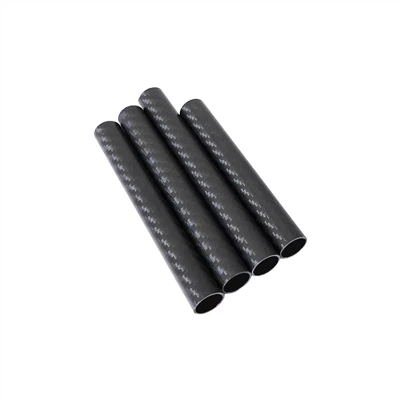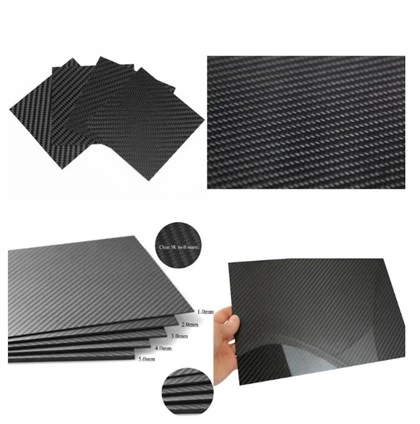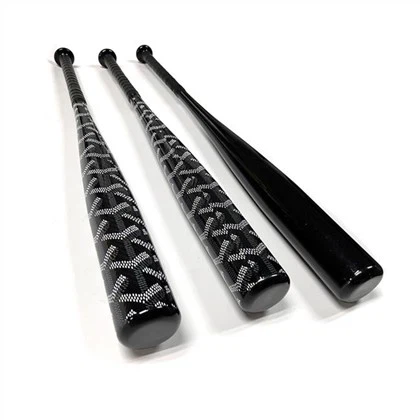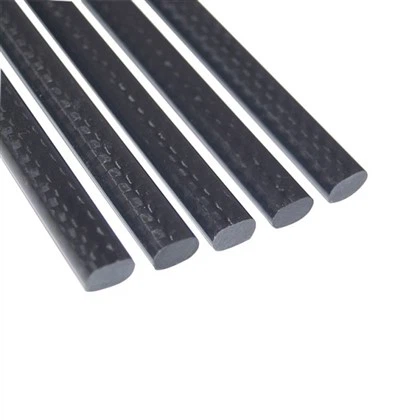
Cutting carbon fiber flat bars without fraying requires precision, the right tools, and a meticulous approach. Start by securing the bar on a stable surface using clamps to prevent movement. Use a diamond-coated or carbide-tipped blade, as these are designed to handle the material's toughness. Apply masking tape along the cutting line to minimize splintering and ensure a clean edge. Operate the saw at a low speed to reduce heat buildup, which can cause fraying. Always wear protective gear, including gloves and a dust mask, to safeguard against fine carbon dust. Sand the edges lightly with fine-grit sandpaper to smooth any minor imperfections, ensuring a polished finish.
Mastering the Tools and Techniques for Pristine Cuts
Achieving a flawless cut on carbon fiber flat bars hinges on understanding the material's unique properties and selecting the appropriate tools. This composite marvel, renowned for its high strength-to-weight ratio, demands a nuanced approach to avoid jagged edges or delamination. Below, explore the essential tools, techniques, and safety measures to ensure your cuts are impeccable.
Choosing the Right Cutting Tools
The resilience of carbon fiber flat bars necessitates tools that can withstand its abrasive nature. Diamond-coated blades or carbide-tipped saws are ideal, as they maintain sharpness and resist wear. These tools excel at slicing through the material's robust fibers without causing excessive fraying, ensuring a clean, professional finish.
Perfecting Your Cutting Technique
Precision is paramount when working with carbon fiber. Secure the flat bar firmly using clamps to eliminate vibrations, which can lead to uneven cuts. Opt for a slow, steady cutting speed to prevent heat buildup, as excessive heat can weaken the material's structure and cause splintering. Applying masking tape along the cut line further stabilizes the fibers, reducing the risk of fraying.
Prioritizing Safety During the Process
Handling carbon fiber flat bars generates fine dust that can be hazardous if inhaled. Equip yourself with a dust mask, safety goggles, and gloves to protect against irritation. A well-ventilated workspace or dust extraction system is also crucial to maintain air quality. These precautions not only safeguard your health but also contribute to a focused, uninterrupted cutting process.
Understanding the Unique Properties of Carbon Fiber Flat Bars
To cut carbon fiber flat bars effectively, it's essential to grasp the material's distinctive characteristics. Known for its exceptional durability and lightweight nature, this composite is a cornerstone in industries ranging from aerospace to automotive. Delving into its composition, structural benefits, and potential challenges provides the foundation for achieving flawless cuts.
Composition and Structure of the Material
Carbon fiber flat bars are crafted from tightly woven carbon strands embedded in a resin matrix. This combination yields a material with unparalleled tensile strength, making it resistant to bending or breaking under stress. However, this same toughness can lead to fraying if not handled with care, as the fibers are prone to splintering when cut improperly.
Advantages of Its High Strength-to-Weight Ratio
One of the standout features of carbon fiber flat bars is their high strength-to-weight ratio, making them a preferred choice in applications where weight reduction is critical without compromising structural integrity. This attribute is particularly valuable in sectors like aviation, where every ounce matters, and in sporting goods, where performance is paramount. Understanding this property underscores the importance of precise cutting to preserve the material's inherent advantages.
Challenges in Cutting and How to Overcome Them
The very qualities that make carbon fiber exceptional - its hardness and fibrous structure - also pose challenges during cutting. The risk of fraying, delamination, or resin burnout is high if improper tools or techniques are used. Overcoming these hurdles involves selecting specialized blades, controlling cutting speeds, and stabilizing the material. By addressing these challenges, you can harness the material's full potential in your projects.
Exploring Versatile Applications and Finishing Touches
Carbon fiber flat bars are celebrated for their versatile applications, spanning diverse industries and innovative projects. Once cut, applying the right finishing techniques enhances both functionality and aesthetics. This section uncovers the material's wide-ranging uses and provides insights into achieving a polished, professional result.
Industries Leveraging Carbon Fiber Flat Bars
The adaptability of carbon fiber flat bars shines in sectors like aerospace, where they reinforce aircraft components, and automotive, where they enhance vehicle efficiency. Their lightweight yet robust nature also makes them ideal for sporting equipment, such as bicycle frames, and renewable energy systems, like wind turbine blades. These versatile applications highlight the material's role in driving innovation across industries.
Finishing Techniques for a Professional Edge
After cutting, refining the edges of carbon fiber flat bars is crucial for both performance and appearance. Use fine-grit sandpaper to smooth any rough spots, ensuring a seamless finish. Applying a thin layer of epoxy resin to the cut edges can further protect against fraying and environmental damage, preserving the material's longevity. These steps elevate the quality of your work, making it stand out.
Innovative Uses in DIY and Custom Projects
Beyond industrial applications, carbon fiber flat bars are increasingly popular in DIY and custom projects. Enthusiasts use them to create lightweight furniture, drones, or even artistic installations. The material's sleek appearance and durability make it a favorite for bespoke designs. When embarking on such projects, precise cutting techniques ensure that the final product reflects both creativity and craftsmanship, showcasing the material's vast potential.
Conclusion
Cutting carbon fiber flat bars without fraying is a skill that combines the right tools, techniques, and understanding of the material's properties. By using specialized blades, securing the material, and applying finishing touches, you can achieve clean, professional results. Whether you're working on industrial applications or creative projects, mastering this process unlocks the full potential of this remarkable composite. Remember, precision and safety are key to success.
Contact Us
For expert advice or high-quality carbon fiber products, contact Dongguan Juli Composite Materials Technology Co., Ltd. at sales18@julitech.cn or via WhatsApp at +86 15989669840.
References
1. Smith, J. A. (2020). Advanced Techniques in Composite Material Processing. Industrial Composites Publishing.
2. Chen, L. (2019). Carbon Fiber Applications in Modern Engineering. Global Materials Press.
3. Patel, R. K. (2021). Precision Cutting of High-Strength Composites. Engineering Innovations Journal.
4. Thompson, E. (2018). Safety Protocols for Handling Carbon Fiber Materials. Occupational Health Review.
5. Nguyen, T. H. (2022). Innovative Uses of Carbon Fiber in DIY Projects. Creative Composites Magazine.
6. Liu, Y. (2020). Understanding the Structural Integrity of Carbon Fiber Composites. Technical Materials Digest.