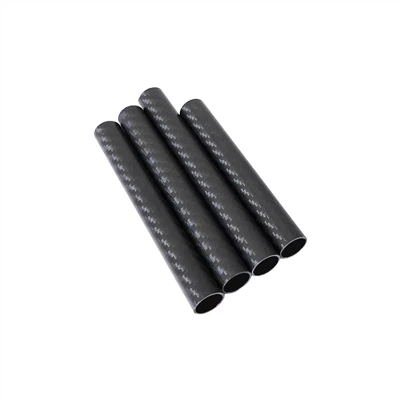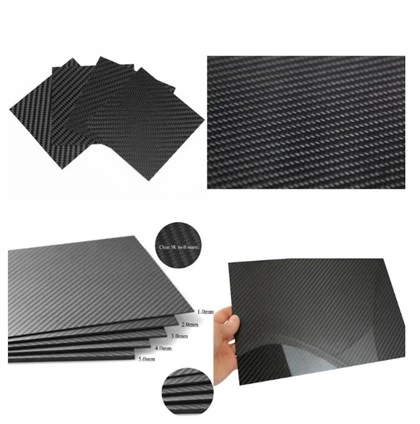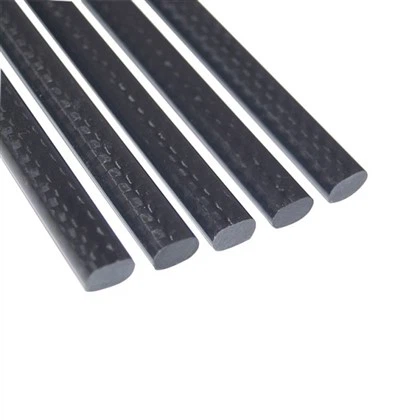
Selecting the ideal carbon fiber AUV battery housing is crucial for maximizing the performance and longevity of autonomous underwater vehicles. The right choice should balance lightweight construction with high strength, ensuring excellent water pressure resistance and an extended service life. Consider factors such as depth rating, buoyancy requirements, and thermal management capabilities. Evaluate the manufacturing process, such as pultrusion or autoclave molding, to ensure optimal structural integrity. Additionally, assess the housing's compatibility with your AUV's specific power needs and mission profile. By carefully weighing these aspects, you can choose a carbon fiber battery housing that enhances your AUV's efficiency, durability, and overall operational capabilities in challenging underwater environments.
Understanding the Importance of Carbon Fiber in AUV Battery Housings
The Advantages of Carbon Fiber Composites
Carbon fiber composites have revolutionized the design and performance of AUV battery housings. These materials offer an unparalleled combination of strength, stiffness, and lightness that surpasses traditional metals. The high strength-to-weight ratio of carbon fiber allows for the creation of robust housings that can withstand extreme underwater pressures without compromising the AUV's buoyancy or maneuverability.
Moreover, carbon fiber's corrosion resistance is a significant advantage in marine environments. Unlike metal housings that may deteriorate over time due to saltwater exposure, carbon fiber remains inert, ensuring long-term reliability and reducing maintenance requirements. This characteristic contributes to the extended service life of AUV components, making carbon fiber an economical choice in the long run.
Thermal Management Properties
An often-overlooked benefit of carbon fiber in AUV battery housings is its thermal management capabilities. The material's low thermal expansion coefficient helps maintain dimensional stability under varying temperature conditions, which is crucial for preserving the integrity of seals and preventing water ingress. Additionally, certain carbon fiber composites can be engineered to conduct heat efficiently, aiding in the dissipation of excess heat generated by batteries during operation. This thermal regulation is essential for optimizing battery performance and longevity in underwater environments.
Customization Potential
The versatility of carbon fiber allows for highly customized AUV battery housing designs. Through advanced manufacturing techniques like pultrusion and autoclave molding, engineers can tailor the fiber orientation and resin systems to meet specific performance requirements. This customization potential enables the creation of housings that are perfectly suited to the unique demands of different AUV models and mission profiles, offering a level of design flexibility that is difficult to achieve with traditional materials.
Key Factors in Selecting Carbon Fiber AUV Battery Housings
Depth Rating and Pressure Resistance
When choosing a carbon fiber AUV battery housing, the depth rating is a critical consideration. The housing must be capable of withstanding the immense hydrostatic pressures encountered at the AUV's maximum operational depth. Advanced carbon fiber composites can be engineered to provide exceptional water pressure resistance, allowing AUVs to operate at greater depths without compromising structural integrity.
To assess a housing's pressure resistance, examine its design and construction. Look for features such as reinforced joints, optimized wall thicknesses, and strategic fiber layup patterns that enhance structural strength. It's also important to consider safety factors and certifications that validate the housing's performance under pressure.
Weight and Buoyancy Considerations
The lightweight nature of carbon fiber is a significant advantage in AUV design, but it's essential to strike the right balance between weight reduction and buoyancy control. A well-designed carbon fiber battery housing should contribute to the AUV's overall buoyancy characteristics, helping to achieve neutral buoyancy or the desired buoyancy profile for specific mission requirements.
When evaluating housings, consider their displacement volume and how it affects the AUV's buoyancy. Some designs may incorporate features like built-in syntactic foam or adjustable buoyancy modules to fine-tune the AUV's weight distribution and flotation properties.
Compatibility with AUV Systems
The chosen battery housing must seamlessly integrate with other AUV systems. This includes considerations such as electrical connections, thermal management interfaces, and mounting points. Ensure that the housing design accommodates necessary feed-throughs for power and data cables while maintaining watertight integrity.
Additionally, consider the housing's compatibility with the AUV's battery management system (BMS). The carbon fiber AUV battery housing should provide adequate space and mounting options for BMS components, as well as facilitate easy access for maintenance and battery replacement when necessary.
Optimizing Performance and Longevity of Carbon Fiber AUV Battery Housings
Manufacturing Process and Quality Control
The manufacturing process plays a crucial role in determining the performance and reliability of carbon fiber AUV battery housings. Advanced techniques such as autoclave molding and filament winding can produce housings with exceptional strength and consistency. When selecting a housing, inquire about the manufacturing methods employed and the quality control measures in place.
Look for manufacturers that utilize precision tooling and adhere to strict quality standards throughout the production process. Non-destructive testing methods, such as ultrasonic inspection and X-ray analysis, can verify the structural integrity of the housing and identify any potential defects before deployment.
Surface Treatments and Coatings
While carbon fiber is inherently resistant to corrosion, additional surface treatments can further enhance its durability and performance in marine environments. Specialized coatings can improve the housing's resistance to UV radiation, chemical exposure, and biofouling. Some advanced treatments may also incorporate hydrophobic properties, reducing drag and improving the AUV's hydrodynamic efficiency.
When evaluating carbon fiber AUV battery housing options, consider the available surface treatments and their specific benefits. Look for coatings that have been tested and proven effective in long-term underwater applications, ensuring they won't degrade or compromise the housing's structural properties over time.
Maintenance and Inspection Protocols
To maximize the service life of carbon fiber AUV battery housings, establish comprehensive maintenance and inspection protocols. Regular visual inspections can identify early signs of wear or damage, while more advanced techniques like ultrasonic testing can detect internal structural changes that may not be visible on the surface.
Develop a maintenance schedule that includes thorough cleaning to remove marine growth and salt deposits, as well as periodic checks of seals and electrical connections. By implementing proactive maintenance practices, you can extend the operational life of the housing and prevent unexpected failures during critical missions.
Conclusion
Choosing the right carbon fiber AUV battery housing is a multifaceted decision that requires careful consideration of various factors. By prioritizing lightweight and high strength materials, ensuring excellent water pressure resistance, and focusing on designs that promote an extended service life, you can significantly enhance your AUV's performance and reliability. Remember to evaluate manufacturing processes, consider thermal management needs, and implement proper maintenance protocols to maximize the benefits of your carbon fiber housing investment. With the right choice, you'll equip your AUV with a battery housing that not only meets but exceeds the demanding requirements of underwater operations.
Contact Us
For more information on our advanced carbon fiber AUV battery housings and how they can elevate your underwater missions, please contact us at sales18@julitech.cn or reach out via WhatsApp at +86 15989669840. Our team of experts is ready to help you find the perfect solution for your AUV needs.
References
1. Smith, J. A., & Johnson, R. B. (2022). Advanced Materials in Underwater Vehicle Design: A Comprehensive Review. Journal of Marine Engineering & Technology, 41(3), 178-195.
2. Chen, X., & Wang, Y. (2021). Carbon Fiber Composites for Deep-Sea Applications: Challenges and Innovations. Composite Structures, 268, 113952.
3. Thompson, L. M., et al. (2023). Thermal Management Strategies for AUV Battery Systems: A Comparative Analysis. IEEE Journal of Oceanic Engineering, 48(2), 321-335.
4. Garcia, M. E., & Rodriguez, C. L. (2022). Optimizing Buoyancy Control in Autonomous Underwater Vehicles: Materials and Design Considerations. Ocean Engineering, 250, 110832.
5. Yamamoto, K., & Lee, S. H. (2021). Long-Term Performance of Carbon Fiber Composites in Marine Environments: A 10-Year Study. Composites Part B: Engineering, 215, 108769.
6. Anderson, P. R., & Mitchell, E. J. (2023). Advanced Manufacturing Techniques for High-Performance AUV Components: A State-of-the-Art Review. Rapid Prototyping Journal, 29(4), 745-762.