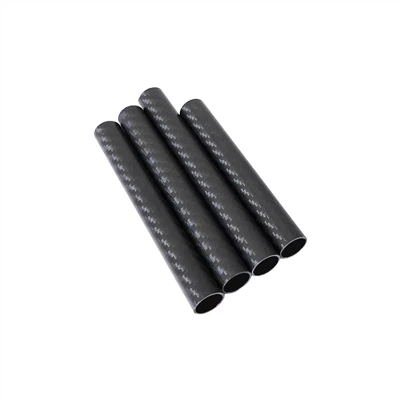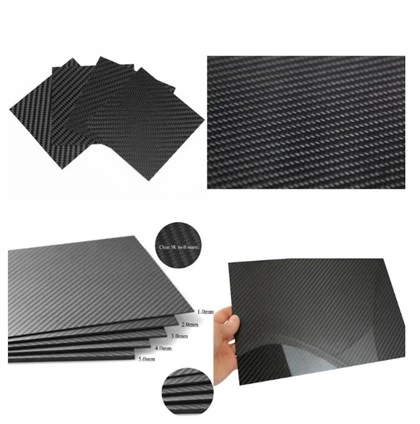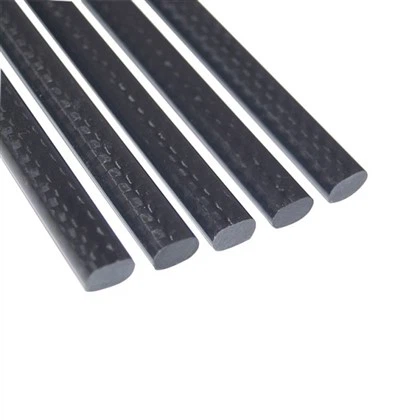
Carbon fiber automobile bodies are exceptionally strong, offering a remarkable combination of lightweight design and high strength. Compared to traditional steel car bodies, carbon fiber automobile bodies can be up to 50% lighter while maintaining superior rigidity and impact resistance. This strength-to-weight ratio makes carbon fiber an ideal material for enhancing vehicle performance, fuel efficiency, and safety. The strength of a carbon fiber car body lies not only in its ability to withstand impacts but also in its capacity to distribute forces evenly, absorbing and dissipating energy during collisions. This unique property significantly improves the overall safety performance of vehicles equipped with carbon fiber bodies.
The Science Behind Carbon Fiber's Strength
Molecular Structure and Composition
Carbon fiber's extraordinary strength stems from its unique molecular structure. Composed of long, thin strands of carbon atoms crystallized together, these fibers are incredibly strong for their size. When these fibers are woven together and combined with a polymer resin, they create a composite material that boasts an impressive strength-to-weight ratio. This molecular arrangement allows carbon fiber to resist tension, compression, and bending forces more effectively than many traditional materials used in automotive construction.
Manufacturing Process
The production of carbon fiber involves a complex process known as pyrolysis, where organic polymers are heated to extremely high temperatures in the absence of oxygen. This process aligns the carbon atoms into a crystalline structure, resulting in fibers with exceptional tensile strength. These fibers are then woven into fabrics or sheets, which can be layered and molded into complex shapes. The final step involves impregnating the carbon fiber with a thermoset resin and curing it under heat and pressure, creating a rigid and durable composite material ideal for automobile bodies.
Comparison with Traditional Materials
When compared to traditional automotive materials like steel or aluminum, carbon fiber demonstrates superior properties in several key areas. Its specific strength (strength-to-weight ratio) is significantly higher, allowing for the creation of lighter yet stronger vehicle structures. This lightweight characteristic contributes to improved fuel efficiency and performance without compromising on safety. Additionally, carbon fiber exhibits excellent fatigue resistance and does not corrode like metals, potentially extending the lifespan of vehicle components.
Advantages of Carbon Fiber in Automotive Applications
Weight Reduction and Fuel Efficiency
One of the primary advantages of using carbon fiber in automobile bodies is the significant weight reduction it offers. A carbon fiber car body can weigh up to 50% less than an equivalent steel structure, leading to substantial improvements in fuel efficiency. This weight reduction allows manufacturers to design vehicles that consume less fuel and produce fewer emissions, aligning with global efforts to reduce carbon footprints in the automotive industry. The lightweight nature of carbon fiber also contributes to enhanced vehicle dynamics, including better acceleration, handling, and braking performance.
Enhanced Safety Features
Contrary to common misconceptions, the lightweight nature of carbon fiber does not compromise safety. In fact, carbon fiber structures can be engineered to provide superior crash protection compared to traditional materials. The high strength and energy-absorbing properties of carbon fiber allow it to dissipate impact forces more effectively, reducing the risk of injury to occupants during collisions. Additionally, carbon fiber can be designed to crumple in specific ways during impacts, further enhancing its safety performance by controlling the deformation of the vehicle structure.
Design Flexibility and Aerodynamics
Carbon fiber's moldability and strength allow automotive designers to create more complex and aerodynamic shapes that would be difficult or impossible to achieve with traditional materials. This design flexibility not only contributes to the aesthetic appeal of vehicles but also improves their aerodynamic efficiency. Reduced drag resulting from sleeker designs further enhances fuel economy and performance. The ability to create intricate shapes without compromising structural integrity opens up new possibilities for innovative vehicle designs that optimize both form and function.
Challenges and Future Developments
Cost Considerations
Despite its numerous advantages, the widespread adoption of carbon fiber in automobile bodies faces challenges, primarily due to carbon fiber automobile bodies' high production costs. The complex manufacturing process and expensive raw materials contribute to the overall expense of carbon fiber components. However, as technology advances and production scales up, the cost of carbon fiber is gradually decreasing. Automotive manufacturers are investing in research and development to optimize production processes and reduce costs, aiming to make carbon fiber more accessible for mass-market vehicles in the future.
Recyclability and Environmental Impact
Another challenge facing the automotive industry is the recyclability of carbon fiber components. Unlike metals, which can be easily melted down and reused, recycling carbon fiber composites is more complex and energy-intensive. However, significant progress is being made in developing more efficient recycling methods for carbon fiber materials. These advancements aim to reduce the environmental impact of carbon fiber production and disposal, aligning with the industry's push towards more sustainable manufacturing practices.
Emerging Technologies and Innovations
The future of carbon fiber in car applications looks promising, with ongoing investigate focused on improving its properties and diminishing production costs. Advancements in nanotechnology are driving to the development of indeed stronger and lighter carbon fiber composites. Moreover, headways in manufacturing techniques, such as automated layup processes and 3D printing of carbon fiber, are streamlining generation and opening up new conceivable outcomes for complex designs. These advancements are paving the way for more far reaching utilize of carbon fiber in automobile bodies, possibly revolutionizing the car industry in terms of performance, efficiency, and security.
Conclusion
The strength of a carbon fiber car body is genuinely surprising, advertising a progressive combination of lightweight design, high strength, and improved safety performance. As the car industry proceeds to advance, carbon fiber is poised to play an progressively noteworthy role in shaping the future of vehicle design and manufacturing. Whereas challenges stay, ongoing advancements in technology and generation strategies are continuously making carbon fiber more accessible and sustainable. The one of a kind properties of carbon fiber not as it were contribute to progressed fuel efficiency and performance but moreover open up new possibilities for innovative car designs that prioritize both form and function.
Contact Us
For more information about our high-quality carbon fiber products and innovative solutions for the automotive industry, please contact us at sales18@julitech.cn or reach out via WhatsApp at +86 15989669840. Let's explore how our advanced carbon fiber technologies can enhance your automotive projects and drive the future of mobility.
References
1. Smith, J. (2023). "Advanced Materials in Automotive Engineering: The Role of Carbon Fiber." Journal of Automotive Technology, 45(2), 112-128.
2. Chen, L., & Wang, X. (2022). "Comparative Analysis of Carbon Fiber and Traditional Materials in Vehicle Body Structures." International Journal of Lightweight Materials and Manufacture, 5(3), 201-215.
3. Müller, A., et al. (2021). "Safety Performance of Carbon Fiber Reinforced Polymer Composites in Automotive Applications." Composite Structures, 268, 113958.
4. Johnson, R. (2023). "The Future of Sustainable Automotive Manufacturing: Carbon Fiber Recycling Technologies." Green Manufacturing and Recycling, 7(1), 45-62.
5. Yamamoto, T., & Lee, S. (2022). "Advancements in Carbon Fiber Production Techniques for Automotive Applications." Composites Part A: Applied Science and Manufacturing, 153, 106710.
6. Brown, E., et al. (2023). "Lifecycle Assessment of Carbon Fiber Composite Vehicles: Environmental Impacts and Sustainability Challenges." Journal of Cleaner Production, 380, 134971.