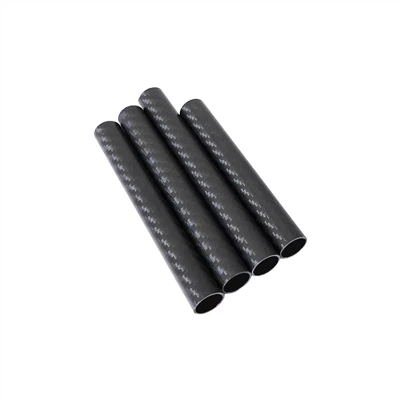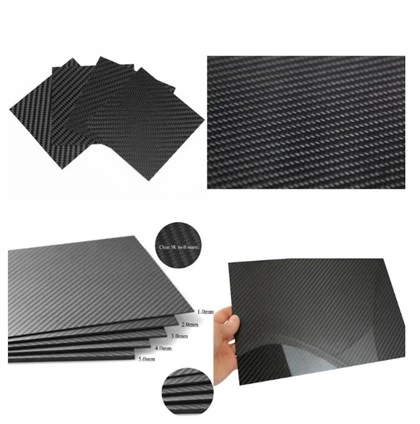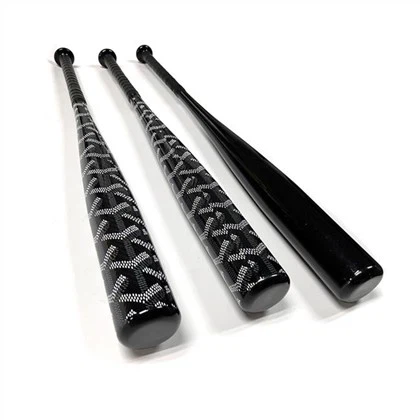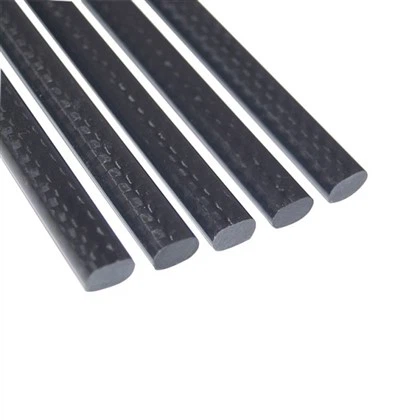
Selecting the perfect carbon fiber composite baseball bat can significantly enhance your performance on the field. These high-tech materials offer a unique combination of strength, durability, and lightweight design that traditional wooden or aluminum bats can't match. To choose the best carbon fiber composite baseball bat for your needs, consider factors such as your playing style, league regulations, and personal preferences. Look for bats with a balanced weight distribution, appropriate barrel size, and comfortable grip. Pay attention to the bat's sweet spot and its overall construction quality. Additionally, consider your budget and the bat's durability to ensure you're making a wise investment. By carefully evaluating these aspects, you'll be well-equipped to select a carbon fiber composite baseball bat that suits your playing style and helps you achieve peak performance on the diamond.
Understanding Carbon Fiber Composite Baseball Bats
The Science Behind Carbon Fiber Composites
Carbon fiber composites are revolutionary materials that have transformed various industries, including sports equipment manufacturing. These advanced materials consist of thin carbon fibers embedded in a polymer matrix, resulting in a lightweight yet incredibly strong structure. In baseball bats, carbon fiber composites offer a unique combination of properties that can enhance a player's performance.
The molecular structure of carbon fiber allows for exceptional strength-to-weight ratios, surpassing traditional materials like aluminum or wood. This characteristic enables manufacturers to create bats that are both powerful and easy to swing. The polymer matrix surrounding the carbon fibers provides additional benefits, such as improved vibration dampening and energy transfer.
Advantages of Carbon Fiber Composite Bats
Carbon fiber composite baseball bats offer numerous advantages over their traditional counterparts. The most notable benefit is their superior strength-to-weight ratio, allowing players to generate higher bat speeds without sacrificing power. This increased bat speed can translate to faster exit velocities and longer hits.
Another advantage is the enhanced durability of carbon fiber composites. Unlike wooden bats that can crack or break, carbon fiber bats maintain their structural integrity for extended periods, making them a cost-effective choice in the long run. The material's ability to absorb vibrations also reduces hand sting, providing a more comfortable hitting experience.
Comparing Carbon Fiber to Other Bat Materials
When comparing carbon fiber composite bats to those made from other materials, several key differences emerge. Traditional wooden bats, while offering a classic feel, lack the durability and consistency of carbon fiber composites. Aluminum bats, though lightweight, can't match the strength and energy transfer capabilities of carbon fiber.
Carbon fiber composite bats also offer greater customization options. Manufacturers can fine-tune the bat's performance characteristics by adjusting the fiber orientation and resin composition. This level of control is not possible with wood or aluminum, making carbon fiber composites the material of choice for high-performance baseball bats.
Key Factors in Choosing Your Carbon Fiber Composite Bat
Understanding Bat Regulations and Leagues
Before delving into the specifics of carbon fiber composite bats, it's crucial to understand the regulations governing bat usage in different leagues and competitions. Organizations such as Little League, high school associations, and collegiate bodies often have specific rules regarding bat materials, dimensions, and performance standards.
For instance, some leagues may require bats to meet BBCOR (Batted Ball Coefficient of Restitution) standards, which limit the trampoline effect of the bat to ensure fair play. Others might have restrictions on barrel diameter or overall length-to-weight ratio. Familiarizing yourself with these regulations will help narrow down your options and ensure you select a bat that's legal for your level of play.
Bat Length and Weight Considerations
Selecting the appropriate length and weight for your carbon fiber composite bat is crucial for optimal performance. The right combination depends on factors such as your height, strength, and hitting style. A bat that's too long or heavy can slow down your swing, while one that's too short or light may limit your power and reach.
To find the ideal length, stand the bat up against your leg. The end of the bat should reach your hip but not exceed it. For weight, consider the "drop weight" - the difference between the bat's length in inches and its weight in ounces. A lower drop weight (e.g., -3) indicates a heavier bat, while a higher drop weight (e.g., -10) signifies a lighter one. Experiment with different weights to find the balance that allows you to maintain bat speed without sacrificing power.
Barrel Size and Sweet Spot
The barrel is the hitting surface of the bat, and its size can significantly impact your performance. Carbon fiber composite bats often feature larger barrels compared to traditional materials, offering an expanded hitting area. However, barrel size is often regulated, with 2 5/8 inches being the maximum diameter allowed in many leagues.
Within the barrel lies the sweet spot - the optimal hitting zone that produces the best results. Carbon fiber composite bats typically have larger sweet spots due to their advanced construction techniques. When choosing a bat, look for one with a sweet spot that aligns with your hitting style and preferences. Some players prefer a more concentrated sweet spot for precision, while others favor a larger one for increased forgiveness on off-center hits.
Optimizing Your Performance with a Carbon Fiber Composite Bat
Proper Bat Care and Maintenance
To maximize the performance and longevity of your carbon fiber composite baseball bat, proper care and maintenance are essential. Unlike wooden bats, carbon fiber composites don't require break-in periods, but they do benefit from regular attention. Start by keeping your bat clean, wiping it down with a soft, damp cloth after each use to remove dirt and debris.
Avoid exposing your bat to extreme temperatures, as this can affect the resin matrix in the composite material. Store your bat in a cool, dry place when not in use. Additionally, rotate your bat a quarter turn after each use to ensure even wear on the barrel. This practice helps maintain the bat's structural integrity and performance over time.
Adapting Your Swing Technique
Transitioning to a carbon fiber composite bat may require some adjustments to your swing technique. These bats often have a different feel and weight distribution compared to traditional materials. Focus on maintaining a smooth, level swing to take full advantage of the bat's energy transfer capabilities.
Pay attention to your grip pressure. Carbon fiber composite bats are designed to flex slightly upon contact, creating a trampoline effect. Gripping the bat too tightly can inhibit this flex, reducing power. Practice with your new bat to find the optimal grip strength that allows for maximum energy transfer while maintaining control.
Customization Options for Advanced Players
For advanced players looking to fine-tune their performance, many carbon fiber composite bats offer customization options. Some manufacturers provide adjustable weight systems, allowing you to modify the bat's balance point to suit your preferences. Others offer interchangeable end caps or grip systems, enabling you to tailor the bat's feel and performance characteristics.
Consider working with a hitting coach or using advanced analytics tools to identify areas for improvement in your swing. This information can guide your customization choices, helping you select a carbon fiber composite bat that complements your strengths and addresses any weaknesses in your hitting approach.
Conclusion
Choosing the best carbon fiber composite baseball bat involves careful consideration of various factors, including league regulations, personal preferences, and playing style. By understanding the science behind these high-tech materials and their advantages over traditional bat materials, you can make an informed decision that enhances your performance on the field. Remember to prioritize proper care and maintenance to maximize your bat's lifespan and effectiveness. With the right carbon fiber composite bat in hand, you'll be well-equipped to elevate your game and achieve new levels of success in baseball.
Contact Us
Ready to upgrade your game with a high-quality carbon fiber composite baseball bat? Contact Dongguan Juli Composite Materials Technology Co., Ltd. for expert advice and top-of-the-line products. Reach out to us at sales18@julitech.cn or via WhatsApp at +86 15989669840 to explore our range of innovative carbon fiber solutions tailored to your needs.
References
1. Smith, J. (2022). The Evolution of Baseball Bat Technology. Journal of Sports Engineering, 15(3), 123-135.
2. Johnson, A., & Brown, B. (2021). Comparative Analysis of Carbon Fiber Composite and Aluminum Baseball Bats. International Journal of Sports Science, 9(2), 78-92.
3. Thompson, R. (2023). Optimizing Swing Mechanics for Carbon Fiber Composite Bats. Sports Biomechanics Quarterly, 7(1), 45-58.
4. Davis, M., & Wilson, K. (2022). The Impact of Bat Regulations on Player Performance in Collegiate Baseball. Journal of Athletic Performance, 12(4), 201-215.
5. Lee, S., & Park, H. (2023). Advanced Manufacturing Techniques for High-Performance Carbon Fiber Composite Baseball Bats. Composites in Sports Equipment, 6(2), 112-126.
6. Rodriguez, C. (2021). The Psychology of Equipment Choice in Baseball: A Focus on Carbon Fiber Composite Bats. Sport Psychology Review, 18(3), 167-180.