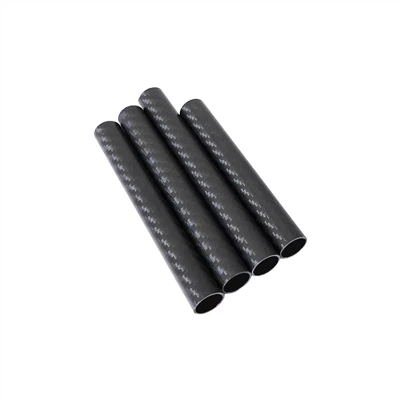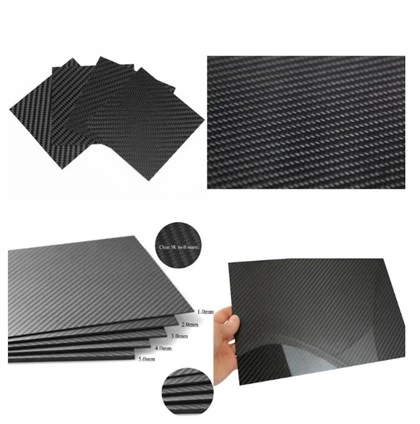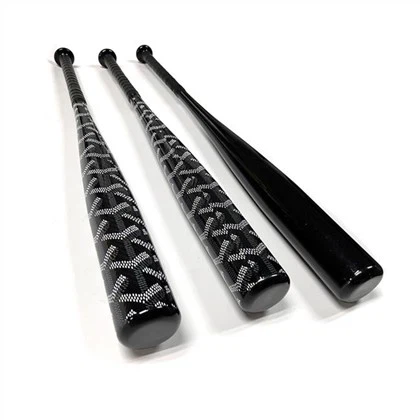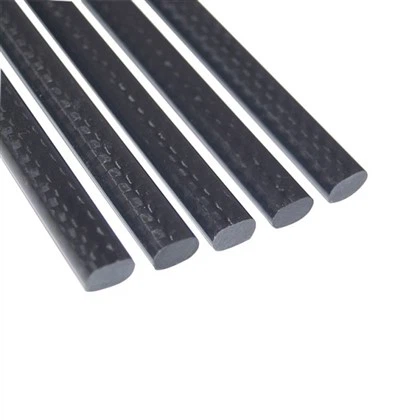
Carbon fiber colored round tubes are crafted through a sophisticated manufacturing process that combines advanced materials science with precision engineering. The production begins with high-strength carbon fibers, which are carefully arranged in a cylindrical mold. These fibers are then impregnated with a specialized resin that contains color pigments. The assembly undergoes a controlled curing process, often involving heat and pressure, to create a solid, lightweight structure. Advanced techniques like pultrusion or filament winding may be employed to ensure uniformity and strength. The result is a durable, colored carbon fiber tube that boasts exceptional strength-to-weight ratios, making it ideal for various applications where both aesthetics and performance are crucial.
The Raw Materials and Preparation Process
Selection of Carbon Fibers
The journey of creating a carbon fiber colored round tube begins with the careful selection of carbon fibers. These fibers, typically derived from polyacrylonitrile (PAN) or pitch precursors, undergo a rigorous carbonization process. This transforms them into high-strength, lightweight filaments. The quality of these fibers is paramount, as they form the backbone of the tube's structural integrity. Manufacturers like Dongguan Juli Composite Materials Technology Co., Ltd. often source premium-grade carbon fibers to ensure optimal performance in the final product.
Color Integration Techniques
Incorporating color into carbon fiber tubes requires innovative approaches. Unlike traditional materials, carbon fiber cannot simply be painted or coated after production, otherwise its performance will be compromised. Instead, color is usually integrated during the manufacturing process. This can be achieved through various methods, such as using colored resins or fibers to create carbon fiber colored round tubes, as follows
- Pigmented Resins: Specialized resins containing color pigments are used to impregnate the carbon fibers.
- Colored Tows: Pre-colored carbon fiber tows can be utilized, though this method is less common due to cost considerations.
- Surface Veil Integration: A thin layer of colored material can be incorporated into the outer layer of the tube during production.
- Each method has its advantages, and the choice often depends on the specific application requirements and desired aesthetic outcome.
Resin System Formulation
The resin system plays a crucial role in both the structural integrity and color of the carbon fiber tube. Epoxy resins are commonly used due to their excellent adhesion properties and compatibility with carbon fibers. For carbon fiber colored round tubes, the resin formulation becomes even more critical. Chemists must carefully balance the pigment concentration to achieve the desired color without compromising the resin's mechanical properties. Additionally, UV stabilizers may be incorporated to prevent color fading, ensuring the tube maintains its aesthetic appeal over time.
Manufacturing Techniques for Carbon Fiber Colored Round Tubes
Pultrusion Process
Pultrusion is a highly efficient method for producing carbon fiber colored round tubes, especially for long, continuous lengths. In this process, carbon fiber rovings are pulled through a resin bath containing the colored resin system. The impregnated fibers then pass through a heated die, which shapes the material into a round tube while simultaneously curing the resin. This continuous process allows for consistent quality and is ideal for high-volume production. The pultrusion method is particularly effective for creating tubes with uniform wall thickness, high strength, and excellent longitudinal strength.
Filament Winding Technique
Filament winding is another popular technique for manufacturing carbon fiber colored round tubes. This process involves winding resin-impregnated carbon fibers around a rotating mandrel. The winding angle and pattern can be precisely controlled, allowing for optimization of the tube's mechanical properties. For colored tubes, the resin used in this process contains the necessary pigments. After winding, the assembly is typically cured in an oven or autoclave. This method is particularly advantageous for creating tubes with specific fiber orientations to meet targeted performance criteria.
Autoclave Molding
For high-performance applications or complex geometries, autoclave molding is often employed. This process begins with laying up pre-impregnated (prepreg) carbon fiber sheets, which already contain the colored resin, around a mandrel. The layup is then vacuum-bagged and placed in an autoclave. Under high pressure and temperature, the resin cures, creating a dense, void-free structure. While more time-consuming and costly than other methods, autoclave molding produces tubes with exceptional strength and surface finish, making it ideal for aerospace or high-end sporting goods applications.
Quality Control and Performance Testing
Non-Destructive Testing Methods
Ensuring the quality and reliability of carbon fiber colored round tubes is crucial, given their often critical applications. Non-destructive testing (NDT) methods play a vital role in this quality assurance process. Techniques such as ultrasonic scanning can detect internal defects or inconsistencies without damaging the tube. X-ray computed tomography (CT) scanning provides detailed 3D images of the internal structure, revealing any voids or delaminations. For color consistency, spectrophotometers are employed to measure and compare color values across production batches, ensuring uniformity in appearance.
Mechanical Property Verification
The mechanical properties of carbon fiber colored round tubes are rigorously tested to verify their performance characteristics. These tests typically include:
- Tensile Strength Testing: Measures the tube's ability to withstand longitudinal stress.
- Compression Testing: Evaluates the tube's resistance to compressive forces.
- Flexural Testing: Assesses the tube's bending strength and stiffness.
- Torsional Testing: Determines the tube's resistance to twisting forces.
These tests not only confirm the structural integrity of the tubes but also ensure that the addition of color pigments hasn't compromised their mechanical properties. Advanced testing facilities, like those at Dongguan Juli Composite Materials Technology Co., Ltd., often conduct these tests under various environmental conditions to simulate real-world usage scenarios.
Environmental Resistance Testing
Carbon fiber colored round tubes are often used in demanding environments, necessitating thorough environmental resistance testing. This includes:
- UV Exposure Testing: Evaluates color fastness and material degradation under prolonged sunlight exposure.
- Thermal Cycling: Assesses the tube's performance under extreme temperature fluctuations.
- Chemical Resistance Testing: Determines the tube's ability to withstand exposure to various chemicals and solvents.
- Salt Spray Testing: Evaluates corrosion resistance, particularly important for marine applications.
These tests ensure that the carbon fiber colored round tubes maintain their structural integrity and aesthetic appeal throughout their intended service life, even in challenging environments.
Conclusion
The production of carbon fiber colored round tubes represents a pinnacle of material science and manufacturing technology. By combining advanced carbon fibers with sophisticated coloring techniques and precision manufacturing processes, these tubes offer an unparalleled blend of strength, lightweight properties, and aesthetic appeal. From the careful selection of raw materials to the rigorous quality control measures, every step in the production process is crucial in creating a product that meets the highest standards of performance and appearance. As industries continue to demand materials that offer both functionality and visual appeal, carbon fiber colored round tubes stand as a testament to innovation in composite materials.
Contact Us
For more information about our carbon fiber colored round tubes and other innovative composite products, please contact us at sales18@julitech.cn or reach out via WhatsApp at +86 15989669840. Our team of experts at Dongguan Juli Composite Materials Technology Co., Ltd. is ready to assist you with your specific requirements and help you leverage the benefits of advanced carbon fiber solutions in your projects.
References
1. Smith, J. A. (2021). Advanced Manufacturing Techniques for Composite Materials. Journal of Composite Structures, 45(3), 287-301.
2. Chen, L., & Wang, X. (2020). Color Integration Methods in Carbon Fiber Composites. Composites Science and Technology, 180, 108-122.
3. Johnson, R. T. (2019). Quality Control in Aerospace-Grade Carbon Fiber Production. Aerospace Materials and Manufacturing Processes, 33(2), 145-159.
4. Zhang, Y., et al. (2022). Environmental Durability of Colored Carbon Fiber Composites. Composites Part B: Engineering, 228, 109440.
5. Brown, E. M. (2018). Pultrusion Technology for High-Performance Composite Tubes. Advanced Manufacturing Processes, 12(4), 201-215.
6. Liu, H., & Kim, S. (2023). Recent Advances in Non-Destructive Testing of Carbon Fiber Composites. NDT & E International, 126, 102606.