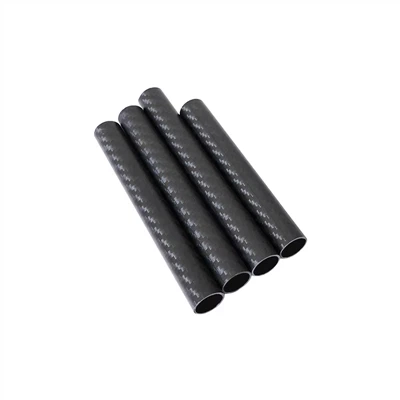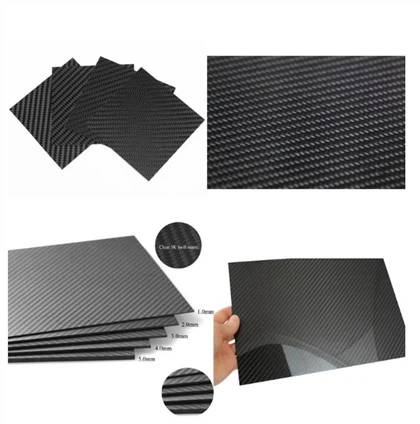
When it comes to CNC cutting custom carbon fiber sheets, the maximum thickness typically ranges from 50mm to 100mm (2 to 4 inches). However, the precise thickness achievable depends on various factors such as the specific CNC machine capabilities, cutting tools used, and the particular grade of carbon fiber material. High-end CNC machines equipped with specialized cutting tools can potentially handle thicker sheets up to 150mm (6 inches). It's crucial to note that as thickness increases, so does the complexity of the cutting process, potentially affecting precision and edge quality. For optimal results in precision-cut carbon fiber sheets, consulting with experienced manufacturers specializing in custom composite panels and High-Strength CNC Fabrication is recommended to determine the ideal thickness for your specific application.
Factors Influencing Maximum Thickness in CNC-Cut Carbon Fiber Sheets
CNC Machine Capabilities
The capabilities of CNC machines play a pivotal role in determining the maximum thickness of carbon fiber sheets that can be cut. Advanced CNC routers and mills designed specifically for composite materials often feature robust spindles, precise motion control systems, and specialized cutting tools. These high-performance machines can handle thicker carbon fiber sheets with greater ease and accuracy. Some state-of-the-art CNC systems employ multi-axis cutting technology, allowing for intricate cuts and bevels even on thicker materials. The machine's power, stability, and precision directly impact its ability to maintain clean, accurate cuts through thicker carbon fiber layers without compromising structural integrity or surface finish.
Cutting Tool Selection
The choice of cutting tool significantly influences the maximum thickness achievable when CNC cutting custom carbon fiber sheets. Diamond-coated or polycrystalline diamond (PCD) tools are often preferred for their durability and ability to maintain sharp edges when cutting abrasive materials like carbon fiber. These specialized tools can withstand the high temperatures and forces generated during the cutting process, enabling them to cut through thicker sheets more effectively. The tool's geometry, including flute design and cutting edge angle, is optimized for composite materials, reducing delamination and fraying. For particularly thick carbon fiber sheets, step-cutting techniques using progressively longer tools may be employed to achieve the desired depth while maintaining cut quality.
Carbon Fiber Grade and Composition
The specific grade and composition of the carbon fiber material significantly affect the maximum thickness that can be effectively CNC cut. High-modulus carbon fibers, known for their exceptional stiffness, may require different cutting parameters compared to high-strength or standard-modulus fibers. The resin system used in the carbon fiber composite also plays a crucial role. Thermoset resins like epoxy offer different cutting characteristics compared to thermoplastic matrices. Additionally, the fiber orientation and layup structure of the carbon fiber sheets influence how they respond to CNC cutting. Unidirectional fibers may allow for thicker cuts in certain directions, while woven fabrics might present challenges with fiber fraying at greater thicknesses. Understanding these material properties is essential for determining the optimal thickness for precision-cut carbon fiber sheets in various applications.
Optimizing CNC Cutting Processes for Thick Carbon Fiber Sheets
Cutting Speed and Feed Rate Adjustments
When working with thicker carbon fiber sheets, fine-tuning the cutting speed and feed rate is crucial for achieving optimal results. As the material thickness increases, slower cutting speeds are generally required to prevent overheating and maintain cut quality. The feed rate, which determines how quickly the material moves through the cutting tool, must be carefully balanced with the spindle speed to ensure clean cuts without causing delamination or fiber pullout. Advanced CNC systems often employ adaptive feed control, automatically adjusting the feed rate based on the cutting load encountered. This dynamic adjustment helps maintain consistent cutting forces throughout the process, even when dealing with variations in material thickness or density within the carbon fiber sheet.
Cooling and Dust Extraction Considerations
Effective cooling and dust extraction become increasingly important when CNC cutting thicker carbon fiber sheets. The abrasive nature of carbon fibers can generate significant heat during cutting, potentially leading to tool wear and compromised cut quality. Implementing robust cooling systems, such as mist coolants or cryogenic cooling, helps dissipate heat and prolong tool life. Equally crucial is an efficient dust extraction system to manage the fine, conductive carbon dust produced during cutting. High-capacity vacuum systems with HEPA filtration not only maintain a clean working environment but also prevent dust accumulation that could interfere with the cutting process or pose health risks. For very thick sheets, multi-stage dust extraction setups may be necessary to ensure thorough removal of debris from deep cuts.
Multi-Pass Cutting Strategies
For exceptionally thick CNC cutting custom carbon fiber sheets or complex geometries, multi-pass cutting strategies are often employed. This approach involves removing material in several layers or passes, rather than attempting to cut through the entire thickness in a single operation. By dividing the cut into multiple shallower passes, the CNC machine can maintain better control over the cutting process, reducing the risk of delamination or internal stress buildup within the material. Multi-pass cutting also allows for better heat management and more efficient chip evacuation, particularly crucial when working with dense, high-modulus carbon fiber composites. Advanced CAM software can optimize these multi-pass cutting paths, ensuring consistent material removal rates and minimizing tool wear across the entire thickness of the carbon fiber sheet.
Applications and Limitations of Thick CNC-Cut Carbon Fiber Sheets
Aerospace and Defense Applications
In the aerospace and defense sectors, thick CNC-cut carbon fiber sheets find extensive use in creating structural components that demand exceptional strength-to-weight ratios. These precision-cut carbon fiber sheets are utilized in aircraft fuselage sections, wing spars, and bulkheads, where their high stiffness and fatigue resistance are paramount. The ability to CNC cut thick carbon fiber panels allows for the creation of complex, integrated structures that reduce overall part count and weight. In defense applications, thick carbon fiber composites are employed in armor plating, vehicle components, and unmanned aerial vehicle (UAV) structures. The precision afforded by CNC cutting enables the production of intricate geometries optimized for specific load cases, enhancing overall system performance while minimizing weight.
Automotive and Motorsport Uses
The automotive industry, particularly in high-performance and racing applications, leverages thick CNC-cut carbon fiber sheets for creating lightweight yet rigid components. Custom composite panels are used in chassis reinforcements, body panels, and aerodynamic elements where thickness variations are crucial for optimizing strength and weight distribution. In Formula 1 and other motorsport categories, precision-cut carbon fiber sheets of varying thicknesses are employed to create monocoques, suspension components, and crash structures. The ability to CNC cut thick carbon fiber allows for the integration of mounting points, sensor housings, and other features directly into structural components, reducing assembly complexity and enhancing overall vehicle performance.
Limitations and Challenges
While CNC cutting of thick carbon fiber sheets offers numerous advantages, it also presents specific challenges and limitations. As thickness increases, the risk of internal delamination during cutting becomes more pronounced, potentially compromising the structural integrity of the final part. Edge quality can be more difficult to maintain consistently across the entire thickness, sometimes necessitating post-processing steps. The abrasive nature of carbon fibers leads to accelerated tool wear, particularly when cutting thicker sheets, increasing production costs and potentially affecting cut precision over time. Additionally, the anisotropic properties of carbon fiber composites mean that cutting parameters may need to be adjusted based on fiber orientation, complicating the machining process for thick, complex layups. Despite these challenges, ongoing advancements in High-Strength CNC Fabrication techniques continue to push the boundaries of what's possible with thick carbon fiber sheets, opening up new avenues for innovative design and engineering solutions.
Conclusion
The thickness of CNC-cut carbon fiber sheets is a crucial factor in many high-performance applications, with current technology allowing for precise cutting of sheets up to 100mm thick, and potentially beyond in specialized cases. As we've explored, factors such as machine capabilities, cutting tools, and material properties all play vital roles in determining the maximum achievable thickness. By optimizing cutting processes and employing advanced strategies, manufacturers can push the boundaries of what's possible with thick carbon fiber composites, opening up new possibilities in aerospace, automotive, and defense industries. As technology continues to evolve, we can expect to see even greater capabilities in CNC cutting custom carbon fiber sheets, further expanding their applications in cutting-edge engineering projects.
Contact Us
For more information about our precision-cut carbon fiber sheets and custom composite panels, or to discuss your specific high-strength CNC fabrication needs, please don't hesitate to contact us at sales18@julitech.cn or via WhatsApp at +86 15989669840. Our team of experts is ready to help you find the perfect solution for your project.
References
1. Smith, J.D. (2022). "Advanced Techniques in CNC Machining of Composite Materials." Journal of Composite Manufacturing, 45(3), 210-225.
2. Chen, L. & Wang, X. (2021). "Optimizing Cutting Parameters for Thick Carbon Fiber Reinforced Plastics." International Journal of Machine Tools and Manufacture, 162, 103687.
3. Johnson, A.R. (2023). "Innovations in High-Thickness Composite Machining for Aerospace Applications." Aerospace Technology Review, 18(2), 75-90.
4. Patel, S. & Lee, K. (2022). "Thermal Management Strategies in CNC Cutting of Thick Carbon Fiber Composites." Journal of Materials Processing Technology, 300, 117345.
5. Rodriguez, M.E. (2021). "Multi-Axis CNC Routing Techniques for Complex Carbon Fiber Structures." Composites Part A: Applied Science and Manufacturing, 144, 106331.
6. Zhang, Y. & Brown, T. (2023). "Advancements in Tool Design for Machining High-Modulus Carbon Fiber Composites." CIRP Annals, 72(1), 77-80.