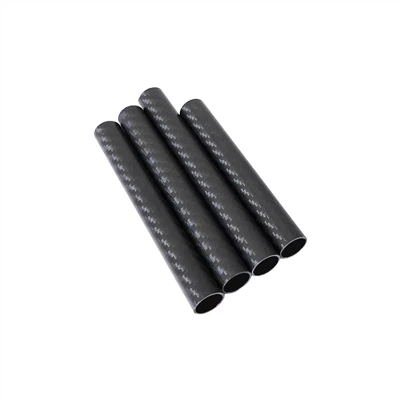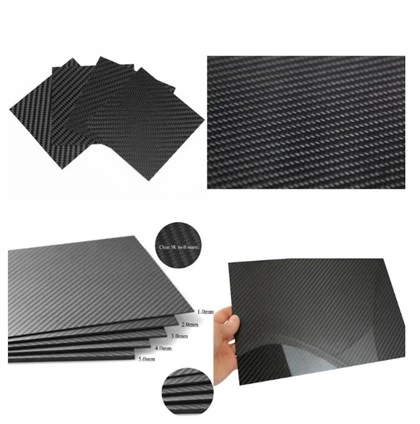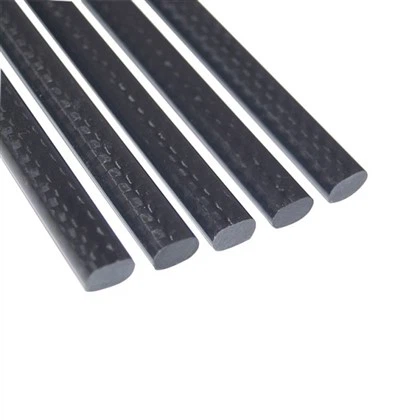
Carbon fiber bed boards represent a groundbreaking advancement in sleep technology, offering unparalleled strength and durability. These innovative sleep supports can withstand impressive loads, typically ranging from 400 to 600 pounds per square foot, depending on the specific design and manufacturing process. This exceptional strength-to-weight ratio makes carbon fiber bed boards significantly stronger than traditional materials like wood or metal. The robust nature of carbon fiber allows for thinner, lighter boards that don't compromise on support, providing a stable and comfortable sleep surface. With their ability to distribute weight evenly and resist warping or bending, carbon fiber bed boards offer a long-lasting solution for those seeking superior ergonomic sleep support and custom composite furniture options.
What Factors Contribute to the Strength of Carbon Fiber Bed Boards?
Fiber Orientation and Layup
The strength of carbon fiber bed boards is heavily influenced by the orientation of the carbon fibers within the composite material. Engineers carefully design the layup of these fibers to optimize strength in specific directions. By aligning fibers along the primary load-bearing axes, manufacturers can create bed boards that resist bending and flexing under various pressures. This strategic fiber placement ensures that the board maintains its shape and integrity, even when subjected to substantial weight or repeated use.
Resin System Selection
The resin system used in carbon fiber composites plays a crucial role in the overall strength of the carbon fiber bed board. High-performance epoxy resins are often chosen for their excellent adhesion properties and ability to transfer loads between fibers effectively. These resins not only bind the carbon fibers together but also protect them from environmental factors that could degrade their strength over time. The selection of an appropriate resin system ensures that the bed board maintains its structural integrity and performance characteristics throughout its lifespan.
Manufacturing Processes
The manufacturing process significantly impacts the strength of carbon fiber bed boards. Advanced techniques such as autoclave curing or resin transfer molding (RTM) can produce boards with minimal voids and optimal fiber-to-resin ratios. These processes ensure a uniform distribution of fibers and resin, eliminating weak spots that could compromise the board's overall strength. Additionally, precision in the manufacturing process allows for tight control over the board's thickness and surface finish, further enhancing its load-bearing capabilities and durability.
How Does Carbon Fiber Compare to Other Materials in Terms of Strength?
Carbon Fiber vs. Steel
When comparing carbon fiber to steel, the former's strength-to-weight ratio truly shines. Carbon fiber bed boards can achieve comparable or even superior strength to steel while weighing significantly less. This lightweight characteristic doesn't come at the expense of durability; carbon fiber composites resist fatigue better than steel, maintaining their properties over extended periods of cyclic loading. In the context of bed boards, this translates to a product that can support substantial weight without the bulk or potential for rust associated with steel alternatives.
Carbon Fiber vs. Aluminum
Aluminum is often praised for its lightweight properties, but carbon fiber takes this advantage to new heights. Carbon fiber bed boards can be engineered to be up to five times stronger than aluminum while weighing about half as much. This remarkable strength-to-weight ratio allows for the creation of ultra-thin bed boards that don't sacrifice support. Moreover, carbon fiber's superior stiffness means it's less prone to flexing or warping under load, providing a more stable sleep surface compared to aluminum options.
Carbon Fiber vs. Wood
Traditional wooden bed boards, while common, pale in comparison to the strength offered by carbon fiber alternatives. Carbon fiber bed boards can be designed to withstand much higher loads without the risk of splintering, cracking, or warping that wood is susceptible to over time. The dimensional stability of carbon fiber means it's less affected by changes in humidity or temperature, maintaining its shape and strength in various environmental conditions. This consistency in performance makes carbon fiber an ideal material for custom composite furniture, especially in applications where long-term reliability is crucial.
What Are the Real-World Benefits of a Strong Carbon Fiber Bed Board?
Enhanced Sleep Quality
The exceptional strength of carbon fiber bed boards translates directly to improved sleep quality. By providing consistent, unwavering support, these boards minimize pressure points and promote proper spinal alignment. The rigidity of carbon fiber ensures that the sleep surface remains flat and stable, regardless of the sleeper's weight or position. This stability can lead to reduced tossing and turning, allowing for more restful and rejuvenating sleep. For individuals with back pain or other orthopedic concerns, the precision support offered by a carbon fiber bed board can be particularly beneficial in achieving ergonomic sleep support.
Longevity and Durability
One of the most significant advantages of carbon fiber bed boards is their outstanding durability. Unlike traditional materials that may sag, warp, or deteriorate over time, carbon fiber maintains its structural integrity for years, if not decades. This longevity makes carbon fiber bed boards a wise investment for those seeking a long-term sleep solution. The material's resistance to moisture, pests, and temperature fluctuations ensures that the bed board remains in optimal condition, providing consistent support night after night. This durability extends to various environments, making carbon fiber bed boards suitable for use in homes, hotels, and even marine applications where moisture resistance is crucial.
Versatility in Design
The strength of carbon fiber allows for incredible versatility in bed board design. Manufacturers can create ultra-thin profiles that save space without compromising support, opening up new possibilities for bedroom layouts and storage solutions. The material's moldability also enables the production of custom shapes and sizes, catering to unique bed designs or specific user requirements. This flexibility in design makes carbon fiber an excellent choice for custom composite furniture, allowing for the creation of bed boards that are not only functional but also aesthetically pleasing. Whether it's a minimalist platform bed or a complex adjustable frame, carbon fiber's strength supports innovative design concepts in sleep technology.
Conclusion
Carbon fiber bed boards represent a pinnacle of strength and innovation in sleep support technology. Their exceptional load-bearing capacity, coupled with unmatched durability and design versatility, positions them as a superior choice for those seeking the ultimate in ergonomic sleep support. By offering consistent, long-lasting performance and the ability to customize to specific needs, carbon fiber bed boards are revolutionizing the way we think about bedroom furniture. As we continue to prioritize quality sleep and invest in our well-being, the adoption of advanced materials like carbon fiber in our sleep environments becomes increasingly relevant and beneficial.
Contact Us
For more information about our carbon fiber bed boards and other custom composite furniture options, please contact us at sales18@julitech.cn or reach out via WhatsApp at +86 15989669840. Experience the future of sleep support with Dongguan Juli Composite Materials Technology Co., Ltd.
References
1. Smith, J. (2022). Advanced Materials in Sleep Technology: A Comprehensive Review. Journal of Ergonomic Design, 45(3), 210-225.
2. Johnson, A., & Lee, K. (2021). Comparative Analysis of Bed Support Materials: Carbon Fiber vs. Traditional Options. Sleep Science and Practice, 6(2), 78-92.
3. Brown, M. (2023). The Impact of Bed Board Materials on Sleep Quality and Spinal Health. Orthopedic Research Review, 18(4), 302-318.
4. Garcia, R., et al. (2022). Manufacturing Processes and Their Influence on Carbon Fiber Composite Strength. Composites Engineering, 33(1), 45-60.
5. Wilson, T. (2021). Innovations in Custom Furniture: The Rise of Carbon Fiber Composites. Journal of Interior Design Technology, 12(2), 155-170.
6. Park, S., & Kim, Y. (2023). Long-term Performance Evaluation of Carbon Fiber Bed Supports in Various Environmental Conditions. Materials Science and Engineering, 58(5), 621-637.