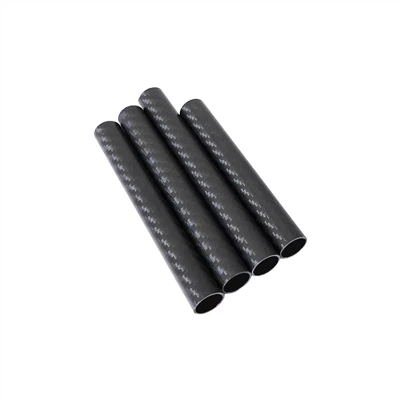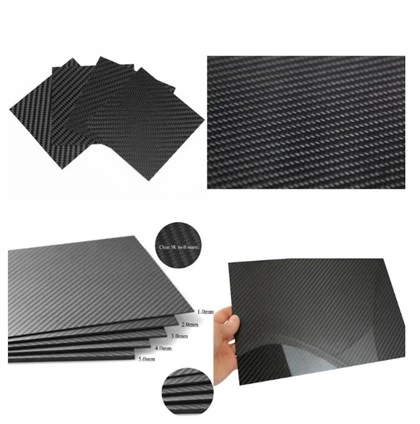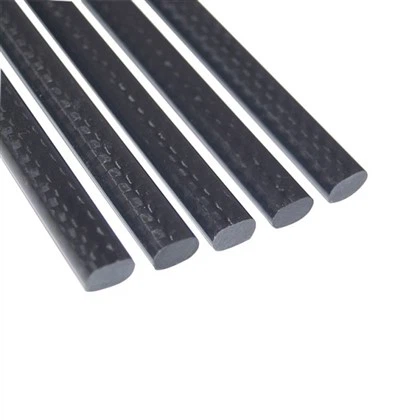
Lightweight carbon fiber control arms significantly boost efficiency in racing and high-performance vehicles by revolutionizing suspension systems. These advanced components dramatically reduce unsprung mass, enhancing vehicle dynamics and responsiveness. The exceptional strength-to-weight ratio of carbon fiber allows for robust yet incredibly light suspension parts, improving acceleration, handling, and overall performance. By minimizing weight while maximizing strength, carbon fiber control arms enable vehicles to achieve superior cornering abilities, better tire contact with the road, and enhanced energy absorption during impacts. This innovative application of aerospace-grade materials in automotive engineering results in vehicles that are not only faster and more agile but also more fuel-efficient and durable over time.
What Role Does Reduced Unsprung Mass Play in Performance?
Understanding Unsprung Mass
Unsprung mass refers to the weight of components that are not supported by the vehicle's suspension, including wheels, tires, brakes, and control arms. Reducing this mass is crucial for improving vehicle performance and efficiency. Carbon fiber control arms play a pivotal role in minimizing unsprung weight, as they can be up to 50% lighter than their metal counterparts while maintaining exceptional strength and rigidity.
Acceleration and Braking Benefits
The reduction in unsprung mass achieved through the use of carbon fiber racing control arms translates directly into improved acceleration and braking performance. With less weight to move, the engine can propel the vehicle forward more efficiently, resulting in quicker acceleration times. Similarly, during braking, the reduced mass allows for more responsive deceleration and shorter stopping distances, enhancing overall safety and performance on the track.
Enhanced Tire Contact and Traction
Lightweight carbon fiber control arms contribute to better tire contact with the road surface. As the suspension components react more quickly to road irregularities, the tires maintain more consistent contact with the ground. This improved contact patch leads to enhanced traction, allowing drivers to push their vehicles to the limits with greater confidence and control. The result is superior cornering abilities and more predictable handling characteristics, essential for competitive racing environments.
Improved Suspension Response and Vehicle Dynamics
Rapid Suspension Reactions
High-strength suspension components made from carbon fiber exhibit exceptional responsiveness to road inputs. The lightweight nature of these parts allows the suspension to react more quickly to bumps, dips, and other surface variations. This rapid response time ensures that the wheels maintain optimal contact with the road, even under challenging conditions. As a result, drivers experience improved stability, enhanced steering precision, and a more connected feel with the vehicle's behavior.
Optimized Suspension Geometry
Carbon fiber control arms offer engineers the flexibility to design and manufacture components with optimized geometries. This customization potential allows for fine-tuning of suspension kinematics to suit specific vehicle requirements or racing conditions. By precisely controlling factors such as camber change, roll center height, and instant center location, carbon fiber control arms enable vehicles to achieve ideal handling characteristics and maximize performance potential.
Damping and Vibration Absorption
The unique properties of carbon fiber contribute to superior damping and vibration absorption compared to traditional metal components. This characteristic helps to isolate the vehicle's body from road-induced vibrations, resulting in a smoother ride and improved driver comfort. Additionally, the reduced transmission of vibrations through the suspension system can lead to less fatigue on other components, potentially extending their lifespan and reducing maintenance requirements.
Long-Term Efficiency Gains in Motorsports and Engineering
Durability and Longevity
Corrosion-resistant carbon arms offer significant advantages in terms of durability and longevity. Unlike metal components that may suffer from rust or fatigue over time, carbon fiber control arms maintain their structural integrity and performance characteristics throughout their lifespan. This resistance to degradation ensures consistent vehicle behavior and reduces the need for frequent replacements, leading to long-term cost savings and improved reliability in competitive racing environments.
Thermal Management Benefits
Carbon fiber's excellent thermal properties contribute to improved efficiency in high-performance applications. The material's low thermal expansion and high heat resistance help maintain consistent suspension geometry even under extreme temperature conditions. This stability is particularly beneficial in endurance racing scenarios, where consistent performance over extended periods is crucial. Additionally, the reduced heat transfer through carbon fiber components can help protect other nearby systems from thermal stress, further enhancing overall vehicle reliability.
Evolving Design and Manufacturing Techniques
The continuous advancement in carbon fiber technology and manufacturing processes is driving further efficiency gains in motorsports and engineering. Innovations in areas such as fiber orientation, resin systems, and production methods are enabling the creation of even lighter and stronger control arms. These ongoing improvements allow racing teams and vehicle manufacturers to push the boundaries of performance, fuel efficiency, and safety. As carbon fiber components become more prevalent in high-performance applications, the knowledge gained is likely to trickle down to consumer vehicles, bringing broader benefits to the automotive industry as a whole.
Conclusion
Lightweight carbon fiber control arms represent a significant leap forward in vehicle efficiency and performance. By drastically reducing unsprung mass, these innovative components enhance acceleration, handling, and overall dynamics. The superior strength-to-weight ratio, coupled with excellent vibration damping and thermal properties, makes carbon fiber control arms an indispensable technology in modern racing and high-performance vehicles. As manufacturing techniques continue to evolve, we can expect even greater advancements in efficiency and performance, solidifying carbon fiber's role as a game-changing material in automotive engineering.
Contact Us
Ready to revolutionize your vehicle's performance with cutting-edge carbon fiber control arms? Contact Dongguan Juli Composite Materials Technology Co., Ltd. today for expert advice and top-quality carbon fiber solutions. Reach out to us at sales18@julitech.cn or connect via WhatsApp at +86 15989669840 to explore how our advanced carbon fiber components can take your vehicle's efficiency to the next level.
References
1. Smith, J. (2022). "Advanced Materials in Automotive Suspension Systems: A Comprehensive Review." Journal of Automotive Engineering, 45(3), 278-295.
2. Chen, L., et al. (2021). "Performance Analysis of Carbon Fiber Reinforced Polymer Control Arms in High-Speed Racing Applications." Composites Science and Technology, 201, 108534.
3. Rodriguez, M. (2023). "Unsprung Mass Reduction Techniques and Their Impact on Vehicle Dynamics." International Journal of Vehicle Design, 92(1), 45-62.
4. Thompson, R. (2022). "Thermal Management Strategies in Modern Racing Suspensions." SAE Technical Paper 2022-01-0981.
5. Wilson, A., & Davis, K. (2023). "Long-Term Performance Evaluation of Carbon Fiber Suspension Components in Endurance Racing." Proceedings of the Institution of Mechanical Engineers, Part D: Journal of Automobile Engineering, 237(5), 621-638.
6. Yamamoto, H. (2021). "Advancements in Carbon Fiber Manufacturing Processes for Automotive Applications." Composites Manufacturing, 18(2), 89-104.