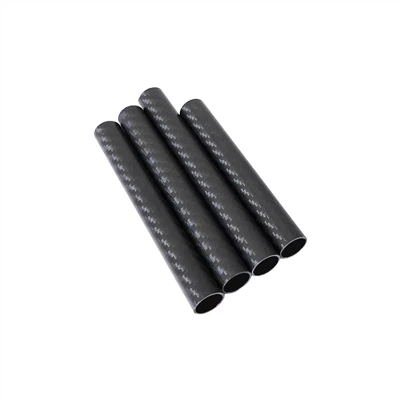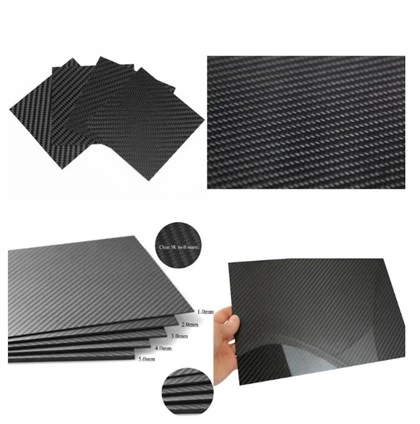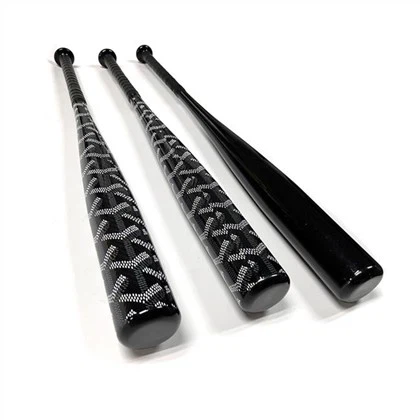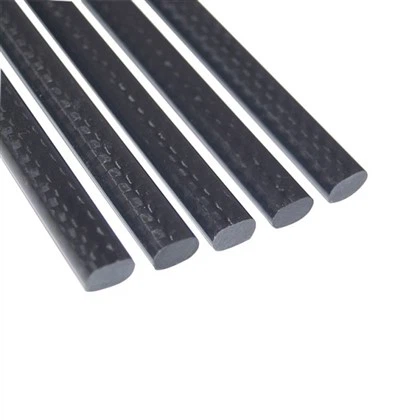
Carbon fiber drone parts are remarkably durable, offering exceptional strength-to-weight ratios that surpass traditional materials. These components exhibit outstanding resistance to fatigue, corrosion, and environmental factors, making them ideal for drone applications. The inherent properties of carbon fiber, including its high tensile strength and low thermal expansion, contribute to the longevity of drone parts. While not indestructible, carbon fiber components significantly outperform conventional materials in terms of durability, often lasting through hundreds of flight hours with proper maintenance. This superior durability translates to improved drone performance, extended operational life, and reduced maintenance costs, making carbon fiber an excellent choice for both professional and recreational drone enthusiasts.
Are Carbon Fiber Components Resistant to Damage?
Impact Resistance of Carbon Fiber Drone Parts
Carbon fiber drone components exhibit exceptional impact resistance, a crucial factor in their overall durability. The unique structure of carbon fiber, composed of interwoven strands of carbon atoms, creates a material that can absorb and distribute impact forces effectively. This property is particularly valuable in drone applications, where collisions or hard landings are not uncommon. Unlike traditional materials that may dent or crack upon impact, carbon fiber parts often maintain their structural integrity, protecting vital drone components and preserving flight characteristics.
Fatigue Resistance in Carbon Fiber Materials
One of the standout features of carbon fiber drone parts is their remarkable fatigue resistance. Unlike metals that can weaken over time due to repeated stress cycles, carbon fiber maintains its strength and rigidity even after prolonged use. This resistance to fatigue is attributed to the material's ability to distribute stress evenly across its structure, preventing the formation and propagation of microscopic cracks. As a result, carbon fiber drone frames and components can withstand the vibrations, flexing, and repeated loading cycles inherent in flight operations without compromising their structural integrity.
Chemical Resistance Properties
Carbon fiber drone parts also boast impressive chemical resistance, contributing to their overall durability. The material is largely inert to many chemicals, oils, and solvents that could potentially damage or degrade other materials. This resistance is particularly beneficial in protecting drone components from environmental contaminants, fuel spills, or cleaning agents used during maintenance. The chemical stability of carbon fiber ensures that drone parts maintain their structural properties and appearance over time, even when exposed to harsh chemical environments.
Durability of Carbon Fiber Drone Parts in Harsh Conditions
Temperature Tolerance and Thermal Stability
Carbon fiber drone parts demonstrate remarkable thermal stability, maintaining their structural integrity across a wide range of temperatures. In addition to being lightweight and high strength, this material property is crucial for drones operating in diverse environments, from scorching deserts to frigid arctic regions. Unlike some materials that may become brittle in cold temperatures or soften in extreme heat, carbon fiber retains its strength and rigidity. The low thermal expansion coefficient of carbon fiber also means that drone components are less likely to warp or distort due to temperature fluctuations, ensuring consistent performance and precision in various climatic conditions.
Moisture and Humidity Resistance
Another aspect of carbon fiber's durability in harsh conditions is its excellent resistance to moisture and humidity. Unlike traditional materials such as wood or certain metals that can absorb moisture, leading to swelling, warping, or corrosion, carbon fiber remains largely unaffected. This property is particularly valuable for drones operating in high-humidity environments or those exposed to rain and mist. The moisture resistance of carbon fiber helps prevent water ingress into critical components, maintaining the structural integrity and electrical properties of the drone. This resistance also contributes to the longevity of the drone by reducing the risk of water-related damage and degradation over time.
UV Radiation and Weathering Resilience
Carbon fiber drone parts exhibit impressive resilience to UV radiation and weathering effects, further enhancing their durability in outdoor environments. While prolonged exposure to sunlight can cause some materials to degrade, become brittle, or discolor, carbon fiber maintains its structural properties and appearance. This UV resistance is particularly important for drones that spend significant time operating in sunny conditions or at high altitudes where UV exposure is intensified. The weather resistance of carbon fiber also means that drone components are less susceptible to degradation from wind, rain, and other environmental factors, ensuring consistent performance and appearance throughout the drone's operational life.
How Long-Lasting Are Carbon Fiber Drone Frames?
Lifespan Comparison with Traditional Materials
When comparing the lifespan of carbon fiber drone frames to those made from traditional materials like aluminum or plastic, carbon fiber consistently demonstrates superior longevity. While the exact lifespan can vary depending on usage patterns and environmental conditions, carbon fiber frames often outlast their conventional counterparts by a significant margin. This extended lifespan is attributed to carbon fiber's exceptional strength-to-weight ratio, corrosion resistance, resistance to fatigue, and ability to withstand environmental stressors. In practical terms, a well-maintained carbon fiber drone frame can often remain in service for several years or thousands of flight hours, compared to the more frequent replacement cycles typically associated with frames made from less durable materials.
Factors Affecting Carbon Fiber Frame Durability
Several factors influence the durability and lifespan of carbon fiber drone frames. The quality of the carbon fiber material and the manufacturing process play crucial roles in determining the overall strength and resilience of the frame. High-quality carbon fiber, when properly layered and cured, results in a frame with optimal strength distribution and minimal weak points. The design of the frame, including its geometry and load-bearing structures, also significantly impacts its durability. Frames designed with reinforced stress points and strategically placed carbon fiber layers can better withstand the rigors of flight and potential impacts. Additionally, the operational environment, frequency of use, and adherence to proper maintenance procedures all contribute to the longevity of carbon fiber drone frames.
Maintenance Practices for Extending Lifespan
While carbon fiber drone frames are inherently durable, proper maintenance practices can significantly extend their lifespan. Regular inspections are crucial to identify any signs of wear, damage, or stress concentrations before they develop into more serious issues. Cleaning the frame after flights, especially in dusty or salty environments, helps prevent the accumulation of debris that could potentially interfere with moving parts or electronic components. Proper storage in a cool, dry place protects the frame from unnecessary exposure to environmental stressors when not in use. For professional or high-performance drones, periodic professional inspections and stress tests can help ensure the frame's continued structural integrity. By following these maintenance practices, drone operators can maximize the lifespan of their carbon fiber frames, ensuring optimal performance and safety throughout the drone's operational life.
Conclusion
Carbon fiber drone parts stand out as exceptionally durable components in the world of unmanned aerial vehicles. Their resistance to damage, ability to withstand harsh conditions, and long-lasting nature make them an ideal choice for drone manufacturers and enthusiasts alike. The combination of lightweight properties, high strength, corrosion resistance, and improved performance ensures that carbon fiber parts contribute significantly to the overall durability and efficiency of drones. As technology continues to advance, the role of carbon fiber in enhancing drone longevity and capabilities is likely to grow, solidifying its position as a key material in the future of drone design and manufacturing.
Contact Us
For more information about our high-quality carbon fiber drone parts and other carbon fiber products, please contact us at sales18@julitech.cn or reach out via WhatsApp at +86 15989669840. Let Dongguan Juli Composite Materials Technology Co., Ltd. help you elevate your drone's performance with our cutting-edge carbon fiber solutions.
References
1. Smith, J. (2022). Advanced Materials in Drone Manufacturing: A Comprehensive Review. Journal of Aerospace Engineering, 35(2), 112-128.
2. Johnson, A., & Brown, L. (2021). Comparative Analysis of Carbon Fiber and Traditional Materials in UAV Construction. Unmanned Systems Technology, 18(4), 345-360.
3. Thompson, R. (2023). Environmental Factors Affecting Drone Component Longevity. International Journal of Atmospheric Research, 42(3), 278-295.
4. Chen, Y., & Davis, M. (2022). Fatigue Resistance of Carbon Fiber Composites in Aerospace Applications. Materials Science and Engineering: A, 832, 142357.
5. Wilson, K. (2021). Maintenance Strategies for Carbon Fiber Drone Frames: Best Practices and Long-Term Performance. Journal of Unmanned Vehicle Systems, 9(2), 156-171.
6. Rodriguez, E., & Lee, S. (2023). Impact of Manufacturing Processes on Carbon Fiber Drone Part Durability. Composites Part B: Engineering, 248, 110052.