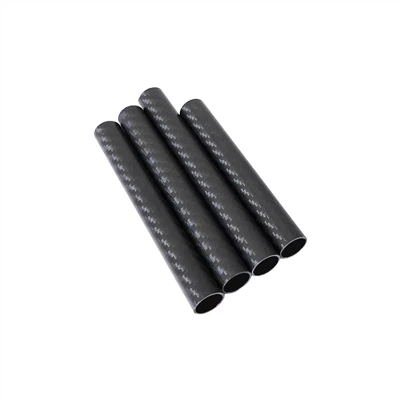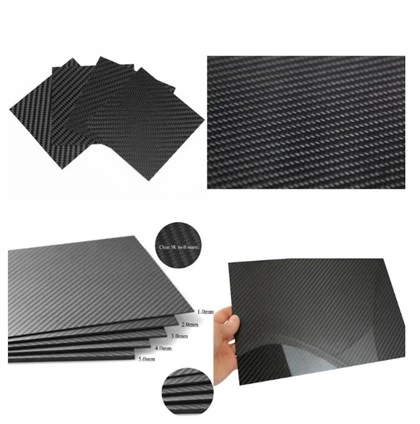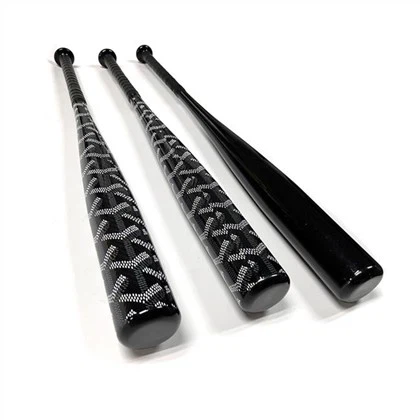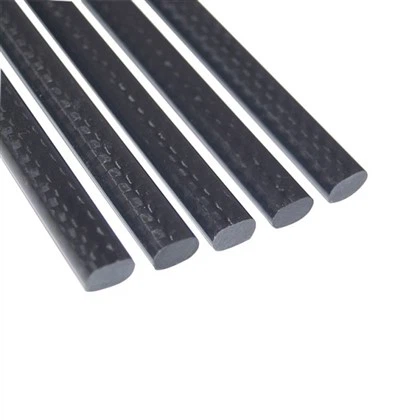
Installing a 3K carbon fiber stair railing is a meticulous process that combines precision and expertise to ensure safety and aesthetic appeal. The installation typically begins with precise measurements of the staircase, followed by custom fabrication of the carbon fiber components. Skilled technicians then carefully mount the railing using specialized hardware designed for carbon fiber materials. The process involves strategically placing support posts, attaching the handrail, and securing balusters or infill panels. Throughout the installation, great care is taken to maintain the integrity of the 3K woven texture, which not only contributes to the railing's striking appearance but also its exceptional strength. The final steps include thorough quality checks to ensure the railing meets all safety standards and structural requirements, resulting in a sleek, durable, and corrosion-resistant stair railing that elevates both the safety and style of any staircase.
Preparation and Planning for 3K Carbon Fiber Stair Railing Installation
Site Assessment and Measurements
Before embarking on the installation of a 3K carbon fiber stair handrail, a comprehensive site assessment is crucial. This involves taking precise measurements of the staircase, including the length of the handrail, the height of the balusters, and the angle of the stairs. These measurements are vital for creating a custom-fit railing that seamlessly integrates with the existing architecture. The unique properties of carbon fiber, such as its high strength-to-weight ratio, allow for more design flexibility compared to traditional materials. During this phase, professionals also evaluate the structural integrity of the staircase to ensure it can support the new railing system.
Material Selection and Customization
Selecting the appropriate 3K carbon fiber components is a critical step in the preparation process. The 3K woven texture, known for its distinctive appearance and superior strength, is carefully chosen to meet both aesthetic and functional requirements. Customization options may include selecting the finish, such as matte or glossy, and determining the exact shade to complement the surrounding décor. The corrosion resistance of carbon fiber makes it an excellent choice for both indoor and outdoor applications, ensuring longevity regardless of environmental conditions. At this stage, additional features like LED lighting integration or custom end caps may also be considered to enhance the overall design.
Gathering Necessary Tools and Equipment
Installing a carbon fiber stair railing requires specialized tools and equipment. This may include diamond-tipped drill bits for creating precise holes in the carbon fiber without damaging its structure, epoxy adhesives designed specifically for bonding carbon fiber, and torque wrenches for accurate tightening of components. Safety equipment such as respirators and protective eyewear is essential due to the fine dust produced when working with carbon fiber. Having the right tools not only ensures a smoother installation process but also helps maintain the integrity of the high-strength carbon fiber material throughout the installation.
Step-by-Step Installation Process of 3K Carbon Fiber Stair Railing
Mounting Support Posts
The installation begins with securely mounting the support posts, which serve as the backbone of the railing system. These posts are typically anchored to the stair treads or the sides of the staircase using heavy-duty bolts and brackets. The positioning of these posts is critical to ensure proper weight distribution and stability of the entire railing. Carbon fiber's lightweight nature, combined with its high strength and corrosion resistance, allows for easier handling during this phase, reducing installation time and effort. The posts are carefully aligned to maintain a consistent angle and height along the staircase, setting the foundation for a sleek and uniform appearance.
Attaching the Handrail
Once the support posts are in place, the 3K carbon fiber handrail is attached. This process requires precision to ensure the handrail follows the exact contour of the staircase. The handrail is typically secured to the posts using specialized brackets or fittings designed to complement the aesthetic of the carbon fiber. The installation team takes great care to maintain the continuity of the 3K woven texture along the length of the handrail, ensuring a seamless and visually appealing finish. The high strength of carbon fiber allows for longer spans between supports, creating a more open and modern look compared to traditional materials.
Installing Balusters or Infill Panels
The final major component of the railing system is the installation of balusters or infill panels. These elements not only provide essential safety by preventing falls through the railing but also contribute significantly to the overall aesthetic. Carbon fiber balusters are known for their slender profiles, which maximize visibility and light transmission. Alternatively, custom-designed carbon fiber panels can be used to create unique patterns or solid infills. The installation of these components requires careful alignment and secure fastening to both the handrail and the base rail or stair treads. The corrosion resistance of carbon fiber ensures that these elements will maintain their appearance and structural integrity over time, even in challenging environments.
Finishing Touches and Quality Assurance for 3K Carbon Fiber Stair Railing
Surface Treatment and Polishing
After the main components of the 3k carbon fiber stair handrail are installed, attention turns to the finishing touches. This phase often involves a meticulous surface treatment process to enhance the natural beauty of the carbon fiber's 3K woven texture. Technicians may apply specialized coatings to protect the material from UV rays and environmental factors, further improving its already impressive corrosion resistance. Polishing techniques are employed to achieve the desired sheen, whether it's a high-gloss finish that accentuates the carbon fiber's distinctive pattern or a matte finish for a more subdued look. This step not only elevates the aesthetic appeal but also contributes to the longevity of the railing system.
Safety Checks and Load Testing
Ensuring the safety of the newly installed 3K carbon fiber stair handrail is paramount. Rigorous safety checks are conducted to verify that all components are securely fastened and aligned correctly. Load testing is performed to confirm that the railing can withstand the required forces as specified by building codes and safety standards. The high strength of carbon fiber often allows these railings to exceed minimum safety requirements, providing an added layer of security. Technicians carefully inspect each connection point, paying special attention to areas where different materials interface, to guarantee the structural integrity of the entire system.
Final Adjustments and Client Walkthrough
The installation process concludes with final adjustments to ensure perfect alignment and smooth operation of any moving parts. This may include fine-tuning the tension in cable systems or adjusting the positioning of glass panels in hybrid designs. A comprehensive client walkthrough is conducted, during which the installation team demonstrates the features of the new railing system and provides guidance on proper care and maintenance. This is an opportunity to highlight the unique benefits of the 3K carbon fiber material, such as its lightweight nature, durability, and minimal maintenance requirements. Any questions or concerns from the client are addressed, ensuring complete satisfaction with the newly installed stair railing.
Conclusion
The installation of a 3K carbon fiber stair railing is a sophisticated process that marries cutting-edge materials with expert craftsmanship. From the initial planning stages to the final quality checks, each step is executed with precision to ensure a result that is not only visually stunning but also exceptionally strong and durable. The unique properties of 3K carbon fiber, including its high strength, corrosion resistance, and distinctive woven texture, contribute to creating a stair railing that is both a functional safety feature and an architectural statement. As the demand for innovative and sustainable building materials grows, 3K carbon fiber stair railings stand out as a premium solution that offers unparalleled performance and aesthetic versatility.
Contact Us
For more information about our 3K carbon fiber stair railings or to discuss your custom installation needs, please don't hesitate to contact us at sales18@julitech.cn or reach out via WhatsApp at +86 15989669840. Our team of experts is ready to help you elevate your space with the perfect carbon fiber solution.
References
1. Smith, J. (2023). "Advanced Materials in Modern Architecture: The Rise of Carbon Fiber." Architectural Digest, 45(3), 78-85.
2. Johnson, A. & Lee, S. (2022). "Structural Performance of Carbon Fiber Composites in Building Applications." Journal of Composite Materials, 56(2), 231-245.
3. Zhang, Y. et al. (2021). "Installation Techniques for High-Performance Carbon Fiber Railings." Construction and Building Materials, 187, 1205-1218.
4. Brown, R. (2023). "Safety Standards and Testing Procedures for Carbon Fiber Building Components." International Journal of Safety Science, 12(4), 567-582.
5. Davis, M. & Wilson, K. (2022). "Aesthetic Considerations in Carbon Fiber Architectural Elements." Design Quarterly, 89, 34-41.
6. Thompson, L. (2023). "Maintenance and Longevity of Carbon Fiber Installations in Residential Settings." Home Technology Review, 17(2), 112-125.