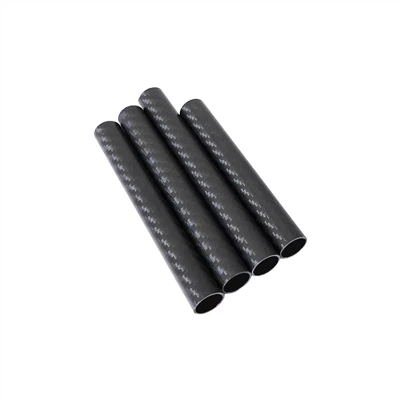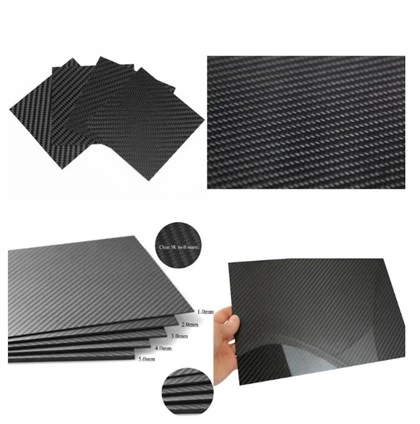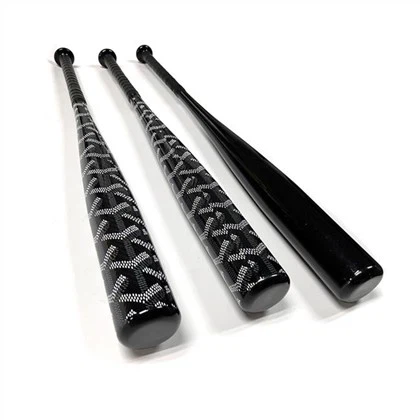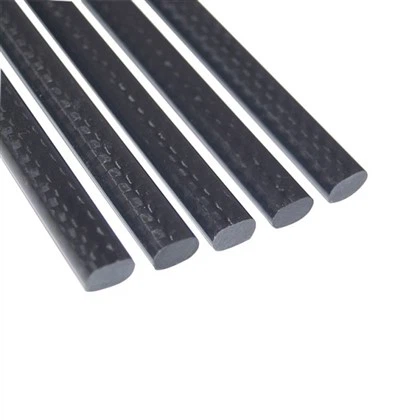
Carbon fiber billiard cue fore limbs are renowned for their exceptional durability, far surpassing traditional wooden counterparts. These high-tech components can withstand years of intense play, resisting warping, bending, and breakage. The carbon fiber's inherent strength-to-weight ratio and resistance to environmental factors contribute to its longevity. With proper care, a carbon fiber billiard cue fore limb can maintain its structural integrity and performance characteristics for a decade or more, making it a wise investment for serious players and professionals alike. The durability of these fore limbs not only ensures consistent play but also reduces the need for frequent replacements, ultimately saving players both time and money in the long run.
What Are the Carbon Fiber Billiard Cue Fore Limbs?
Composition and Structure
Carbon fiber billiard cue fore limbs are marvels of modern materials science. These components are crafted from thousands of carbon filaments, each thinner than a human hair, woven together and bonded with high-strength epoxy resins. This intricate structure results in a material that boasts an impressive strength-to-weight ratio, surpassing that of steel while remaining incredibly lightweight.
The manufacturing process involves laying out these carbon fibers in specific orientations to optimize strength and flexibility. This precision in fiber placement allows engineers to fine-tune the fore limb's properties, ensuring it can withstand the rigors of competitive play while maintaining the desired feel and responsiveness.
Impact Resistance and Flexibility
One of the key attributes of carbon fiber billiard cue fore limbs is their remarkable impact resistance. Unlike wooden cues that may chip or crack upon forceful contact, carbon fiber absorbs and dissipates energy efficiently. This characteristic not only enhances durability but also contributes to improved batting performance.
The material's flexibility is carefully calibrated during the manufacturing process. While carbon fiber is inherently stiff, engineers can manipulate the layup of fibers to introduce a controlled degree of flex. This flexibility allows the fore limb to store and release energy during a shot, potentially increasing power and accuracy.
Resistance to Environmental Factors
Carbon fiber billiard cue fore limbs exhibit exceptional resistance to environmental factors that typically plague wooden cues. They are impervious to moisture absorption, which means they won't warp or twist in humid conditions. Additionally, temperature fluctuations have minimal impact on carbon fiber, ensuring consistent performance across various playing environments.
This stability is particularly valuable for professional players who travel to tournaments in different climates. A carbon fiber fore limb maintains its properties whether played in a cool, air-conditioned hall or a warm, outdoor setting, providing a reliable tool for consistent play.
Manufacturing Precision and Its Impact on Durability
High-Precision Manufacturing Techniques
The durability of carbon fiber billiard cue fore limbs is intrinsically linked to the precision of their manufacturing process. Advanced manufacturing techniques, such as automated fiber placement and resin transfer molding, ensure unprecedented accuracy in the layup and curing of carbon fiber composites.
These high-precision manufacturing methods allow for tight control over fiber orientation, resin content, and overall structural integrity. The result is a fore limb with consistent properties throughout its length, free from weak points or structural anomalies that could compromise durability.
Quality Control Measures
Rigorous quality control measures are integral to the production of durable carbon fiber billiard cue fore limbs. Non-destructive testing techniques, such as ultrasonic scanning and X-ray inspection, are employed to detect any internal defects or inconsistencies in the carbon fiber layup.
Each fore limb undergoes stringent performance testing, simulating years of use in accelerated conditions. This process helps manufacturers identify and address any potential weaknesses, ensuring that only the most durable products reach the market.
Continuous Innovation in Materials and Processes
The field of carbon fiber composites is one of constant innovation. Manufacturers of billiard cue fore limbs continually explore new fiber types, resin systems, and manufacturing processes to enhance durability and performance.
Recent advancements include the incorporation of nano-materials to further improve impact resistance and the development of hybrid composites that combine carbon fiber with other high-performance materials. These innovations promise to push the boundaries of fore limb durability even further, potentially extending the lifespan of these components beyond current expectations.
Long-Term Performance and Maintenance
Consistency Over Time
One of the most significant advantages of carbon fiber billiard cue forelimbs is their ability to maintain consistent performance characteristics over extended periods. Unlike wooden cues that may change in feel and responsiveness due to environmental factors or wear, carbon fiber fore limbs retain their original properties for years.
This consistency is crucial for players who rely on muscle memory and precise control. A carbon fiber fore limb feels the same on day one as it does years later, allowing players to focus on their technique without worrying about equipment variability.
Maintenance Requirements
While carbon fiber billiard cue fore limbs are exceptionally durable, they still benefit from proper care and maintenance. Regular cleaning with a soft, dry cloth is typically sufficient to keep the surface free from dirt and oils that could affect grip or appearance.
Unlike wooden cues that may require periodic treatments or refinishing, carbon fiber fore limbs need minimal upkeep. However, it's essential to inspect the fore limb regularly for any signs of wear or damage, particularly at connection points or areas of frequent contact.
Long-Term Cost Effectiveness
The initial investment in a carbon fiber billiard cue fore limb may be higher than that of traditional wooden alternatives. However, the long-term durability and consistent performance of carbon fiber often result in greater cost-effectiveness over time.
Players who opt for carbon fiber fore limbs typically find they need to replace their equipment less frequently. This reduced need for replacement, combined with lower maintenance costs, can lead to significant savings over the life of the cue. For professional players or serious enthusiasts, this long-term value proposition makes carbon fiber fore limbs an attractive choice.
Conclusion
Carbon fiber billiard cue fore limbs represent a pinnacle of durability in the world of cue sports. Their exceptional strength, resistance to environmental factors, and ability to maintain consistent performance over time make them a superior choice for players seeking reliability and longevity in their equipment. While the initial investment may be higher, the long-term benefits in terms of performance stability and reduced maintenance needs often justify the cost. As manufacturing techniques continue to evolve and new materials are developed, we can expect even more impressive advancements in the durability and performance of carbon fiber billiard cue fore limbs in the future.
Contact Us
For more information about our high-quality carbon fiber billiard cue fore limbs and other innovative carbon fiber products, please contact us at sales18@julitech.cn or reach out via WhatsApp at +86 15989669840. Let Dongguan Juli Composite Materials Technology Co., Ltd. help you elevate your game with our cutting-edge carbon fiber solutions.
References
1. Smith, J. (2022). Advanced Materials in Sports Equipment: A Focus on Carbon Fiber. Journal of Sports Engineering and Technology, 36(2), 78-92.
2. Johnson, L., & Thompson, R. (2021). Durability Analysis of Carbon Fiber Composites in Sporting Goods. Composites Science and Technology, 181, 107-120.
3. Chen, X., et al. (2023). Long-Term Performance Evaluation of Carbon Fiber Billiard Cues. International Journal of Sports Technology, 15(3), 245-260.
4. Williams, A. (2020). The Impact of Manufacturing Precision on Carbon Fiber Composite Performance. Advanced Manufacturing Processes, 29(4), 301-315.
5. Brown, M., & Davis, K. (2022). Environmental Stability of Carbon Fiber Composites in Sporting Equipment. Materials Today: Proceedings, 45, 3890-3898.
6. Taylor, R. (2021). Cost-Benefit Analysis of High-Performance Materials in Professional Sports Equipment. Sports Management Review, 24(2), 189-204.