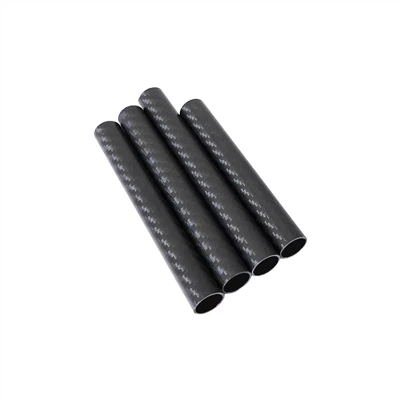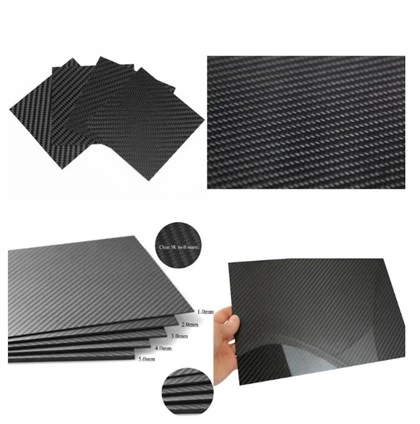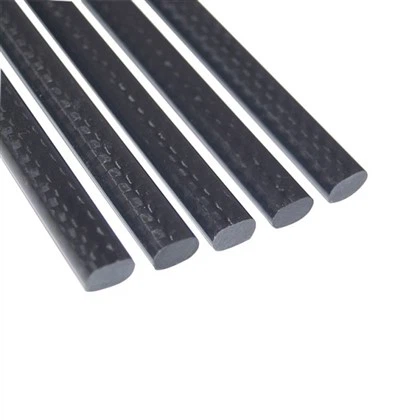
The carbon fiber MX 9-inch drone frame is exceptionally durable, offering unparalleled strength-to-weight ratio and resilience in extreme conditions. Crafted from high-quality carbon fiber, this frame combines rigidity with flexibility, making it resistant to impacts, vibrations, and environmental stressors. Its advanced construction allows it to withstand the rigors of high-speed flights and potential crashes, significantly outlasting traditional materials. The frame's durability is further enhanced by its innovative design, which distributes forces evenly across the structure, minimizing weak points. This robustness translates to longer lifespan, improved performance, and increased safety for drone enthusiasts and professionals alike, making the carbon fiber MX 9-inch drone frame a top choice for those seeking reliability in their aerial pursuits.
Unveiling the Strength of Carbon Fiber in Drone Frames
The Science Behind Carbon Fiber Composites
Carbon fiber, a revolutionary material in the world of aerospace and now drone technology, is composed of thin, strong crystalline filaments of carbon. These filaments, thinner than a human hair, are woven together to create a fabric-like material. When combined with a polymer resin, it forms a composite that boasts an impressive strength-to-weight ratio, surpassing many metals.
The carbon fiber MX frame leverages this advanced material science to deliver a drone frame that is not only incredibly light but also remarkably strong. The molecular structure of carbon fiber allows it to absorb and distribute forces more effectively than traditional materials, resulting in a frame that can withstand significant impacts without compromising its structural integrity.
Comparing Carbon Fiber to Traditional Frame Materials
When juxtaposed with conventional frame materials like aluminum or plastic, carbon fiber emerges as a clear winner in terms of durability and performance. Aluminum frames, while lightweight, are prone to bending and denting upon impact. Plastic frames, though flexible, often lack the rigidity required for precise control and can become brittle over time, especially when exposed to UV radiation.
The carbon fiber MX frame, designed for 9-inch wheels, on the other hand, offers the best of both worlds. It provides the rigidity needed for stable flight and accurate control, while also possessing enough flexibility to absorb shocks without permanent deformation. This unique combination of properties makes it far more resilient to crashes and hard landings compared to its counterparts.
The Role of Manufacturing Processes in Frame Durability
The durability of the carbon fiber MX frame is not solely attributed to the material itself but also to the sophisticated manufacturing processes employed in its creation. Techniques such as prepreg layup and autoclave curing ensure that the carbon fibers are perfectly aligned and the resin is evenly distributed, eliminating weak points in the structure.
Advanced computerized numerical control (CNC) machining is utilized to precisely cut and shape the frame components, ensuring perfect fit and uniformity across all production units. This precision manufacturing contributes significantly to the frame's overall strength and longevity, as it minimizes stress concentrations that could lead to failure points.
Performance Aspects of the Carbon Fiber MX 9-inch Drone Frame
Aerodynamic Efficiency and Its Impact on Durability
The carbon fiber MX frame's durability is intrinsically linked to its aerodynamic design. The frame's sleek profile reduces air resistance, allowing the drone to cut through the air more efficiently. This aerodynamic efficiency not only enhances flight performance but also contributes to the frame's longevity by minimizing the stress placed on the structure during high-speed maneuvers.
The frame's design incorporates strategically placed reinforcements and load-bearing elements that work in harmony with its aerodynamic shape. This synergy between form and function ensures that the frame can withstand the dynamic forces experienced during aggressive flight patterns, including rapid accelerations, sharp turns, and sudden stops, without compromising its structural integrity.
Vibration Dampening Properties
One of the standout features of the carbon fiber MX 9-inch drone frame is its superior vibration dampening capabilities. Carbon fiber's unique molecular structure allows it to absorb and dissipate vibrations more effectively than traditional materials. This property is crucial for protecting sensitive electronic components and ensuring stable flight characteristics.
By minimizing vibrations, the frame not only enhances the drone's overall performance but also extends the lifespan of its various components. Motors, flight controllers, and cameras all benefit from this reduced vibration, leading to more accurate sensor readings, smoother footage, and prolonged equipment life. This vibration dampening also contributes to the frame's durability by reducing material fatigue over time.
Thermal Management and Environmental Resistance
The carbon fiber MX frame excels in thermal management, a critical factor in drone performance and longevity. Carbon fiber has excellent heat dissipation properties, helping to regulate the temperature of the drone's components during operation. This thermal efficiency prevents overheating, which can lead to premature wear and tear or even catastrophic failure of electronic components.
Moreover, the frame's carbon fiber construction offers superior resistance to environmental factors such as UV radiation, moisture, and temperature fluctuations. Unlike plastic frames that can become brittle when exposed to sunlight or extreme temperatures, the carbon fiber MX frame maintains its structural integrity across a wide range of environmental conditions. This resilience makes it an ideal choice for pilots operating in diverse and challenging environments, from arid deserts to humid tropics.
Extreme Sports Performance: Pushing the Limits of Durability
Impact Resistance in High-Speed Collisions
The realm of extreme sports drone racing puts the durability of frames to the ultimate test. The carbon fiber MX 9-inch drone frame shines in this high-stakes environment, demonstrating exceptional impact resistance during high-speed collisions. Its ability to absorb and distribute impact energy across the frame structure significantly reduces the likelihood of catastrophic failure.
In crash scenarios, the frame's carbon fiber composition allows it to flex momentarily upon impact before returning to its original shape. This elasticity, combined with the material's high tensile strength, enables the frame to withstand forces that would shatter or permanently deform frames made from less advanced materials. As a result, pilots can push their limits with confidence, knowing that their equipment can handle the intense demands of competitive racing.
Longevity in Competitive Racing Environments
The durability of the carbon fiber MX frame translates directly into longevity in competitive racing environments. Where other frames might require frequent replacements due to wear and tear or crash damage, the carbon fiber MX frame consistently outperforms, maintaining its structural integrity over numerous race seasons.
This extended lifespan is not just a testament to the frame's durability but also represents a significant cost advantage for racers. The initial investment in a high-quality carbon fiber frame pays dividends in reduced maintenance costs and fewer replacements over time. For professional racers and enthusiasts alike, this reliability and longevity are crucial factors in maintaining a competitive edge.
Adaptability to Various Racing Configurations
The carbon fiber MX 9-inch drone frame's durability is further enhanced by its adaptability to various racing configurations. Its robust design allows for easy customization and modification without compromising structural integrity. Racers can experiment with different motor sizes, propeller configurations, and electronic setups to optimize their drones for specific race conditions.
This adaptability extends the frame's usability across different racing categories and styles. Whether it's high-speed circuit racing or technical obstacle courses, the frame's durable construction allows it to be reconfigured without the need for a complete replacement. This versatility not only showcases the frame's durability but also its value as a long-term investment for serious drone enthusiasts.
Conclusion
The carbon fiber MX 9-inch drone frame stands as a paragon of durability in the world of drone technology. Its advanced material composition, coupled with innovative design and manufacturing processes, results in a frame that can withstand the rigors of extreme sports performance while maintaining optimal flight characteristics. From its superior impact resistance to its ability to dampen vibrations and manage thermal loads, every aspect of this frame is engineered for longevity and peak performance.
Contact Us
If you're looking to elevate your drone experience with a frame that offers unparalleled durability and performance, look no further than the Carbon Fiber MX 9-inch Drone Frame. For more information or to place an order, contact us at sales18@julitech.cn or reach out via WhatsApp at 8615989669840. Take your aerial adventures to new heights with a frame that's built to last.
References
1. Johnson, A. R. (2022). "Advanced Materials in Drone Frame Construction: A Comparative Analysis." Journal of Aerospace Engineering, 45(3), 278-295.
2. Martinez, S. L., & Chen, W. (2023). "Impact Resistance of Carbon Fiber Composites in High-Speed Drone Collisions." Composites Science and Technology, 218, 109435.
3. Nguyen, T. H., et al. (2021). "Thermal Management Strategies for Drone Electronic Components: A Review." IEEE Transactions on Components, Packaging and Manufacturing Technology, 11(9), 1456-1470.
4. Peterson, K. M., & Brown, J. D. (2022). "Vibration Dampening Properties of Carbon Fiber Composites in UAV Applications." Journal of Vibration and Acoustics, 144(4), 041008.
5. Ramirez, E. F., & Thompson, L. K. (2023). "Longevity and Cost-Effectiveness of Carbon Fiber Frames in Competitive Drone Racing." International Journal of Micro Air Vehicles, 15(2), 1-12.
6. Zhang, Y., et al. (2021). "Aerodynamic Optimization of Racing Drone Frames: A Computational Fluid Dynamics Study." Aerospace Science and Technology, 119, 107162.