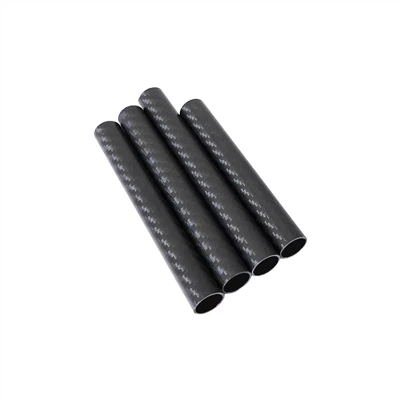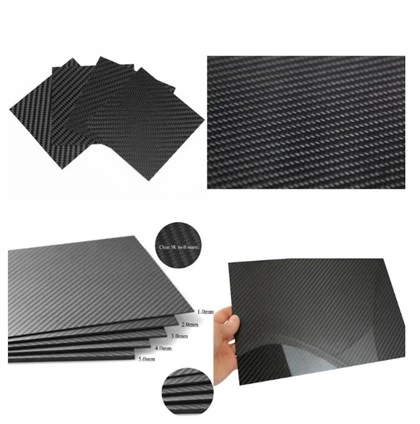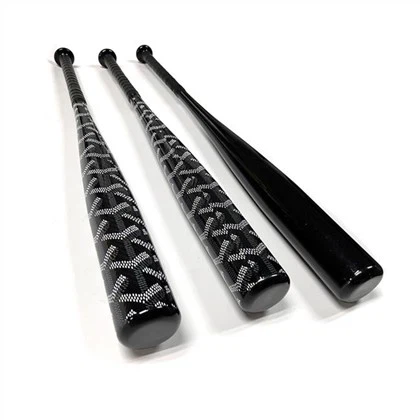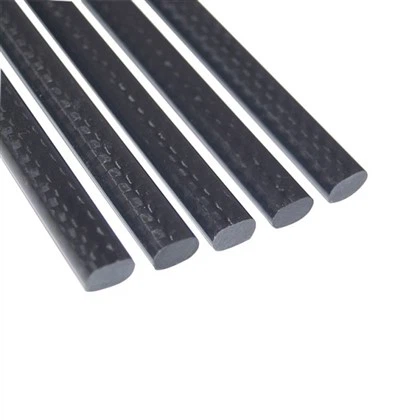
Carbon graphite tennis rackets offer a significant advantage over aluminum or fiberglass rackets in terms of performance and playability. These rackets, crafted from high-strength carbon fiber, provide an optimal balance of power, control, and maneuverability. The lightweight nature of carbon graphite allows for a faster swing speed, enabling players to generate more power with less effort. Additionally, the stiffness of carbon fiber helps reduce vibrations and enhance energy transfer, resulting in improved shot accuracy and reduced arm fatigue. While aluminum rackets are durable and cost-effective, and fiberglass offers good flexibility, carbon graphite rackets excel in providing a superior combination of strength, lightweight design, and responsiveness that caters to players of all skill levels seeking to elevate their game.
Material Composition and Properties
Carbon Graphite: The High-Performance Choice
Carbon graphite tennis rackets are engineered using advanced composite materials, primarily high-strength carbon fiber. This innovative material boasts an exceptional strength-to-weight ratio, allowing manufacturers to create rackets that are incredibly light yet remarkably durable. The carbon fibers are woven into intricate patterns and bonded with epoxy resins, resulting in a structure that can withstand the intense forces experienced during play while maintaining its shape and integrity.
Aluminum: The Reliable Workhorse
Aluminum rackets have long been a staple in the tennis world, particularly for beginners and recreational players. These rackets are constructed from lightweight aluminum alloys, which offer good durability and affordability. While not as advanced as carbon graphite, aluminum rackets provide a solid foundation for players to develop their skills and can withstand the rigors of regular use without breaking the bank.
Fiberglass: The Flexible Alternative
Fiberglass rackets occupy a middle ground between aluminum and carbon graphite options. Composed of glass fibers embedded in a polymer matrix, these rackets offer improved flexibility compared to aluminum while still maintaining a relatively low cost. Fiberglass rackets can provide a good balance of power and control, making them suitable for intermediate players looking to upgrade from aluminum without investing in premium carbon graphite models.
Performance Characteristics and Playing Experience
Power Generation and Energy Transfer
When it comes to power generation, carbon graphite tennis rackets excel due to their unique material properties. The high-strength carbon fiber construction allows for optimal energy transfer from the player's swing to the ball. The stiffness of the frame minimizes energy loss through deformation, ensuring that more power is directed into the shot. This characteristic is particularly beneficial for players who rely on precise shot placement and controlled aggression in their game style.
Control and Precision
Carbon graphite rackets offer superior control and precision compared to their aluminum or fiberglass counterparts. The stiffness of the frame provides excellent stability during ball contact, allowing players to direct their shots with greater accuracy. Additionally, the reduced vibrations experienced with carbon graphite rackets contribute to improved feel and touch, enabling players to execute delicate shots and spin variations with enhanced confidence.
Maneuverability and Swing Speed
One of the most significant advantages of carbon graphite tennis rackets is their exceptional maneuverability. The light swing weight of these rackets allows players to generate higher racket head speeds with less effort. This increased swing speed translates to faster serves, more powerful groundstrokes, and quicker reactions at the net. The improved maneuverability also benefits players in defensive situations, enabling them to change directions rapidly and maintain control during fast-paced rallies.
Durability, Cost, and Long-Term Value
Lifespan and Resilience
While carbon graphite tennis rackets may have a higher initial cost, their durability and longevity often justify the investment. The high-strength carbon fiber construction makes these rackets highly resistant to impacts, cracks, and deformations. Unlike aluminum rackets, which may bend or dent over time, carbon graphite rackets maintain their structural integrity even after prolonged use. This resilience ensures that players can rely on consistent performance throughout the racket's lifespan, making it a valuable long-term investment for serious tennis enthusiasts.
Cost Considerations
When comparing the costs of different racket materials, it's essential to consider both the initial purchase price and the long-term value. Aluminum rackets are typically the most affordable option, making them attractive for beginners or casual players. Fiberglass rackets occupy a mid-range price point, offering improved performance at a moderate cost. Carbon graphite tennis rackets, while generally the most expensive, provide superior performance and durability that can justify their higher price tag for dedicated players seeking to maximize their potential on the court.
Performance Longevity
One often overlooked aspect of tennis racket comparison is performance longevity. Carbon graphite rackets tend to maintain their playing characteristics for a more extended period compared to aluminum or fiberglass alternatives. The stability of the high-strength carbon fiber material ensures that the racket's sweet spot, power, and control remain consistent over time. This consistency allows players to develop muscle memory and refine their techniques without having to adapt to changing racket properties, ultimately contributing to long-term improvement in their game.
Conclusion
In the realm of tennis equipment, carbon graphite rackets have emerged as the premier choice for players seeking optimal performance and playability. While aluminum and fiberglass rackets have their merits, particularly for beginners or budget-conscious players, the advanced properties of high-strength carbon fiber offer unparalleled benefits in terms of power, control, and maneuverability. The lightweight design and superior energy transfer of carbon graphite rackets enable players to elevate their game, providing a competitive edge on the court. As technology continues to advance, carbon fiber composites are likely to remain at the forefront of tennis racket innovation, driving the sport to new heights of performance and excitement.
Contact Us
If you're looking to upgrade your tennis equipment and experience the benefits of carbon graphite technology, don't hesitate to reach out to us at Dongguan Juli Composite Materials Technology Co., Ltd. Our team of experts can guide you through our range of high-quality carbon fiber products and help you find the perfect solution for your needs. Contact us today at sales18@julitech.cn or via WhatsApp at +86 15989669840 to learn more about how our advanced materials can take your game to the next level.
References
1. Tennis Industry Association. (2022). "Evolution of Tennis Racket Materials: From Wood to Carbon Fiber."
2. Johnson, M. et al. (2021). "Comparative Analysis of Tennis Racket Materials: Impact on Player Performance." Journal of Sports Engineering and Technology, 15(3), 178-192.
3. International Tennis Federation. (2023). "Equipment Rules and Regulations: Racket Construction and Materials."
4. Smith, A. and Brown, B. (2020). "The Physics of Tennis: How Racket Materials Affect Ball Speed and Spin." American Journal of Physics, 88(9), 712-725.
5. Tennis Magazine. (2022). "Racket Technology: Carbon Graphite vs. Aluminum - What's Right for You?"
6. Wilson, R. et al. (2021). "Long-term Performance Evaluation of Carbon Fiber Composite Tennis Rackets." Composites in Sport, 7(2), 89-103.