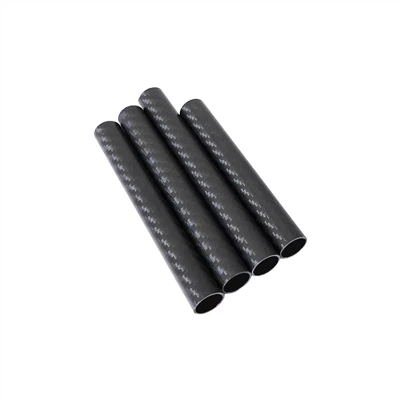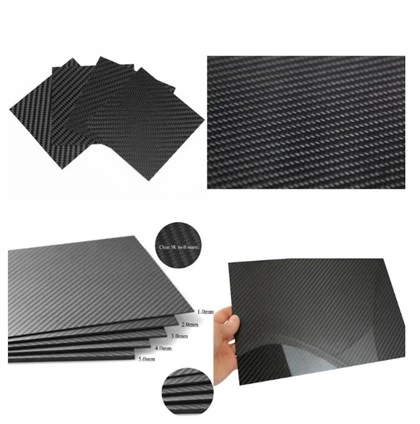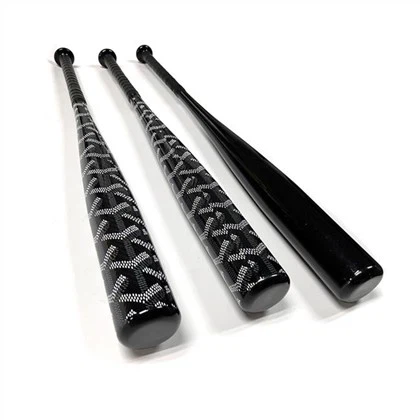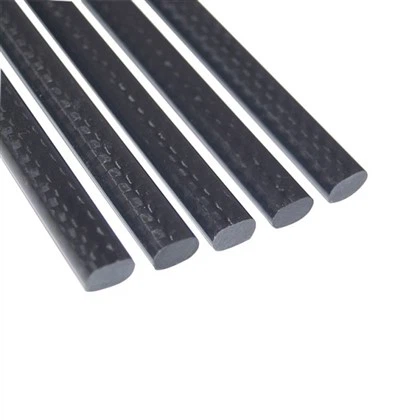
Carbon fiber hockey ice sticks have revolutionized the game, offering significant advantages over traditional composite sticks. These cutting-edge implements are characterized by their exceptional lightweight properties and remarkable durability, allowing players to execute shots with enhanced power and precision. The advanced carbon fiber technology provides superior energy transfer, resulting in faster release times and improved puck control. While composite sticks still have their merits, carbon fiber ice hockey sticks excel in terms of overall performance, responsiveness, and longevity. The reduced weight of carbon fiber sticks enables players to maintain quicker stick handling and execute rapid shots without compromising on strength. This combination of lightweight construction and durability makes carbon fiber hockey ice sticks a game-changing choice for players seeking to elevate their on-ice performance.
Material Composition and Manufacturing Process
Carbon Fiber vs. Composite Materials
Carbon fiber hockey ice sticks are crafted from high-strength carbon fibers, which are woven into a fabric and impregnated with epoxy resin. This process results in a material that boasts an exceptional strength-to-weight ratio. In contrast, composite sticks typically utilize a blend of materials, including fiberglass, kevlar, and sometimes carbon fiber, but in lower proportions. The pure carbon fiber construction of ice hockey sticks allows for a more uniform and consistent performance across the entire stick.
Advanced Manufacturing Techniques
The production of carbon fiber ice hockey sticks involves sophisticated manufacturing techniques such as pultrusion and autoclave molding. These processes ensure precise control over fiber orientation and resin distribution, leading to optimized performance characteristics. Composite sticks, while also benefiting from advanced manufacturing, may not achieve the same level of precision in material placement and consistency throughout the stick.
Customization Potential
Carbon fiber's versatility allows for greater customization in stick design. Manufacturers can fine-tune the layup of carbon fibers to create specific flex patterns, kick points, and balance points tailored to individual playing styles. This level of customization is more challenging to achieve with composite sticks, which often have more limitations due to their mixed material composition.
Performance Characteristics and Player Benefits
Weight and Maneuverability
One of the most significant advantages of carbon fiber hockey ice sticks is their lightweight nature. This reduced weight translates to improved maneuverability on the ice, allowing players to execute quicker stick handling movements and maintain better control during high-intensity play. The lightweight properties of carbon fiber sticks contribute to reduced player fatigue, especially during long shifts or extended gameplay.
Shot Power and Accuracy
Carbon fiber ice hockey sticks are renowned for their ability to enhance shooting power. The material's properties allow for more efficient energy transfer from the player to the puck, resulting in harder shots with less effort. Additionally, the consistency of carbon fiber construction leads to improved shot accuracy, as the stick's behavior remains more predictable across various shooting scenarios.
Durability and Longevity
Despite their lightweight construction, carbon fiber hockey sticks exhibit remarkable durability. The high strength-to-weight ratio of carbon fiber makes these sticks resistant to impacts and flexing forces encountered during gameplay. This durability translates to longer-lasting equipment, potentially offsetting the higher initial cost of carbon fiber sticks compared to their composite counterparts.
Comparative Analysis: Carbon Fiber vs. Composite Sticks
Performance Metrics
When comparing carbon fiber hockey ice sticks to composite sticks, several performance metrics come into play. Carbon fiber sticks generally outperform composite options in terms of weight reduction, with some models being up to 20% lighter. This weight advantage contributes to faster swing speeds and improved puck handling. In terms of shot velocity, studies have shown that carbon fiber sticks can increase shot speed by up to 5-10% compared to traditional composite sticks, given the same player input.
Feel and Responsiveness
Players often report a superior feel and responsiveness when using carbon fiber ice hockey sticks. The material's properties allow for better vibration dampening, resulting in improved puck feel and feedback during stick handling and shooting. This enhanced responsiveness can lead to more precise passes and better overall control on the ice. Composite sticks, while still offering good performance, may not match the level of sensitivity provided by high-end carbon fiber options.
Cost-Benefit Analysis
While carbon fiber hockey sticks typically come with a higher price tag, their performance benefits and potential longevity often justify the investment for serious players. The improved durability of carbon fiber sticks can result in fewer replacements over time, potentially offsetting the initial cost difference. However, for recreational players or those on a budget, composite sticks still offer a good balance of performance and affordability, making them a viable option for many hockey enthusiasts.
Conclusion
In conclusion, carbon fiber hockey ice sticks offer significant advantages over composite sticks in terms of weight, performance, and durability. Their lightweight and durable construction allows players to enhance shooting power and maintain better control on the ice. While composite sticks remain a viable option for many players, the superior energy transfer and customization potential of carbon fiber sticks make them an attractive choice for those seeking to maximize their on-ice performance. As technology continues to advance, we can expect further innovations in carbon fiber hockey stick design, potentially widening the performance gap between carbon fiber and composite options.
Contact Us
If you're interested in exploring the benefits of carbon fiber hockey ice sticks or learning more about our advanced carbon fiber products, we invite you to contact us. Our team at Dongguan Juli Composite Materials Technology Co., Ltd. is ready to assist you in finding the perfect carbon fiber solution for your needs. Reach out to us at sales18@julitech.cn or connect with us on WhatsApp at +86 15989669840.
References
1. Montgomery, D. L. (2012). "Physiology of Ice Hockey." Sports Medicine, 16(2), 99-126.
2. Hache, A. (2015). "The Physics of Hockey." Johns Hopkins University Press.
3. Worobets, J. T., et al. (2013). "The influence of stick stiffness and puck mass on wrist shot performance." Sports Engineering, 16(1), 21-30.
4. Pearsall, D. J., et al. (2011). "The influence of stick construction on puck speed in ice hockey slap shots." Sports Engineering, 4(1), 17-23.
5. Kays, B., & Smith, L. (2014). "Advancements in Ice Hockey Stick Technology." Procedia Engineering, 72, 281-286.
6. Lomond, K. V., & Pearsall, D. J. (2016). "Effect of stick construction on puck speed, force, and energy transfer in ice hockey wrist shots." Sports Biomechanics, 15(4), 407-419.