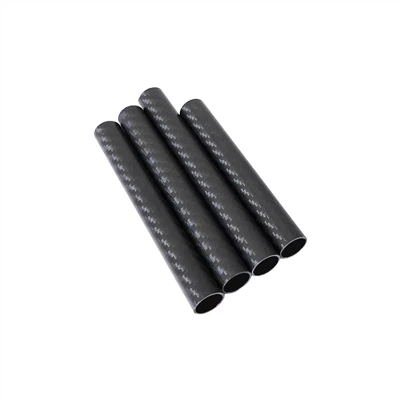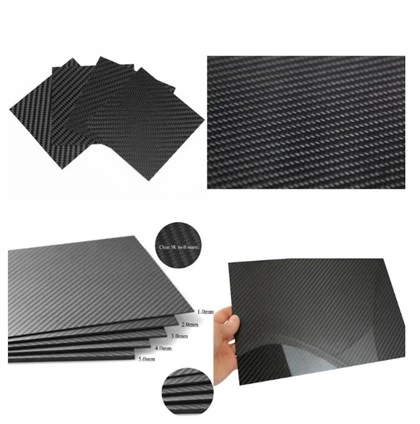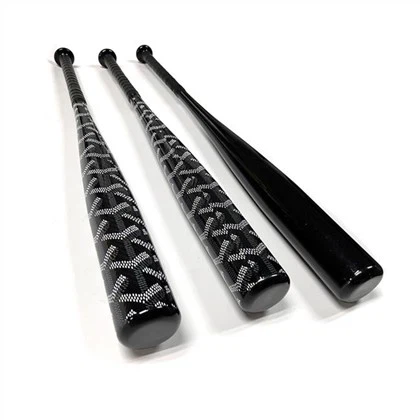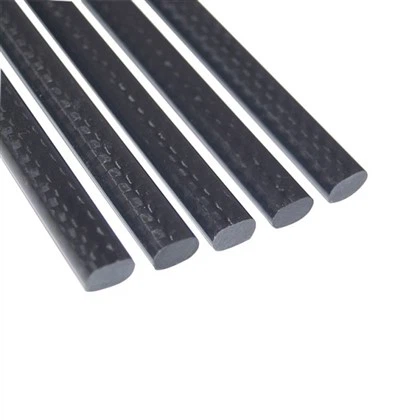
Carbon fiber drone parts have revolutionized the world of unmanned aerial vehicles (UAVs), significantly enhancing their flight performance. These advanced components offer a unique combination of lightweight properties and high strength, allowing drones to achieve greater speeds, improved maneuverability, and extended flight times. The exceptional strength-to-weight ratio of carbon fiber materials enables drone manufacturers to design more aerodynamic frames and propellers, reducing air resistance and increasing overall efficiency. Additionally, the corrosion resistance of carbon fiber ensures longevity and reliability in various environmental conditions. By incorporating carbon fiber components, drones can carry heavier payloads, operate in challenging weather, and execute complex maneuvers with precision, ultimately leading to improved performance across a wide range of applications, from aerial photography to search and rescue operations.
The Advantages of Carbon Fiber in Drone Construction
Unparalleled Strength-to-Weight Ratio
Carbon fiber composites boast lightweight and high strength, making them ideal for drone construction. This unique property allows manufacturers to create sturdy yet lightweight frames, propellers, and other critical components. The reduced weight of carbon fiber parts contributes to enhanced lift capabilities, enabling drones to carry heavier payloads without compromising flight duration. Moreover, the strength of carbon fiber ensures that drones can withstand the rigors of flight, including vibrations, impacts, and sudden changes in direction, without suffering structural damage.
Enhanced Durability and Longevity
The inherent durability of carbon fiber materials translates to increased longevity for drone parts. Unlike traditional materials such as aluminum or plastic, carbon fiber components are highly resistant to fatigue and wear. This resilience means that drones equipped with carbon fiber parts can endure numerous flight cycles and maintain their structural integrity over extended periods. The enhanced durability not only improves the overall lifespan of the drone but also reduces maintenance requirements and replacement costs, making carbon fiber an economically viable choice for both hobbyists and professional operators.
Superior Vibration Dampening
Carbon fiber's unique molecular structure provides excellent vibration dampening properties, which is crucial for drone performance. By minimizing vibrations generated by motors and propellers, carbon fiber drone parts and frames contribute to smoother flight characteristics and improved stability. This vibration reduction is particularly beneficial for drones equipped with sensitive electronics or high-resolution cameras, as it helps prevent image blur and ensures more accurate sensor readings. The superior vibration dampening of carbon fiber parts ultimately leads to enhanced control precision and overall flight quality.
Aerodynamic Enhancements and Flight Efficiency
Streamlined Design Possibilities
The versatility of carbon fiber materials allows drone designers to create more aerodynamic shapes and profiles. The ability to mold carbon fiber into complex geometries enables the development of sleek, low-drag frames and components that minimize air resistance during flight. These streamlined designs contribute to improved energy efficiency, allowing drones to achieve higher speeds and cover greater distances on a single battery charge. Additionally, the precise manufacturing techniques used in carbon fiber production ensure consistent quality and dimensional accuracy, further optimizing aerodynamic performance.
Reduced Inertia for Improved Agility
The lightweight nature of carbon fiber drone parts significantly reduces the overall inertia of the aircraft. This reduction in mass allows for quicker changes in direction and speed, resulting in enhanced agility and responsiveness. Drones equipped with carbon fiber components can execute sharp turns, rapid ascents, and descents with greater precision, making them ideal for applications that require nimble maneuvering, such as racing or obstacle avoidance in confined spaces. The improved agility also contributes to better overall control and stability, especially in challenging wind conditions.
Optimized Propeller Efficiency
Carbon fiber propellers offer several advantages over traditional materials, leading to improved flight efficiency. The stiffness and strength of carbon fiber allow for the creation of thinner, more efficient propeller designs that generate greater thrust with less power consumption. These high-performance propellers can maintain their shape under high rotational speeds, ensuring consistent performance throughout the flight. Moreover, the lightweight nature of carbon fiber propellers reduces the strain on motors, potentially extending their lifespan and improving overall energy efficiency.
Environmental Resilience and Performance Consistency
Resistance to Temperature Fluctuations
Carbon fiber materials exhibit remarkable stability across a wide range of temperatures, making them ideal for drones operating in diverse climates. Unlike some metals or plastics that may expand or contract significantly with temperature changes, carbon fiber maintains its structural integrity and dimensional stability. This temperature resistance ensures consistent performance and precise control in both hot and cold environments, allowing drones to operate reliably in various geographical locations and weather conditions. The thermal stability of carbon fiber components also contributes to the longevity of the drone, as it minimizes stress on joints and connections caused by thermal expansion and contraction.
Moisture and Corrosion Resistance
One of the standout features of carbon fiber is its exceptional resistance to moisture and corrosion. This property is particularly valuable for drones that may be exposed to humid environments, salt spray, or occasional water contact. The corrosion resistance of carbon fiber parts ensures that the drone's structural integrity remains uncompromised, even in challenging atmospheric conditions. This resilience not only extends the operational lifespan of the drone but also maintains consistent performance over time, as there is no degradation of mechanical properties due to oxidation or other chemical reactions that might affect metal components.
UV Stability for Long-Term Performance
Carbon fiber materials offer excellent resistance to ultraviolet (UV) radiation, which is crucial for drones that spend significant time operating outdoors. Unlike some plastics or composites that may degrade or become brittle when exposed to sunlight, carbon fiber maintains its strength and flexibility even after prolonged UV exposure. This UV stability ensures that drone parts retain their mechanical properties and appearance over time, contributing to consistent performance and reducing the need for frequent replacements. The long-term durability provided by UV-resistant carbon fiber components is particularly beneficial for commercial and industrial drone applications where reliability and low maintenance are essential.
Conclusion
Carbon fiber drone parts have undeniably transformed the landscape of UAV technology, offering a multitude of benefits that significantly enhance flight performance. From their unparalleled strength-to-weight ratio to their resistance against environmental factors, carbon fiber components enable drones to achieve new heights in speed, agility, and improved performance. As the drone industry continues to evolve, the integration of carbon fiber materials will likely play an increasingly pivotal role in pushing the boundaries of what these aerial vehicles can accomplish. The remarkable properties of carbon fiber not only improve current drone capabilities but also pave the way for innovative designs and applications that will shape the future of unmanned aerial systems.
Contact Us
For more information about our high-quality carbon fiber drone parts and how they can enhance your UAV's performance, please don't hesitate to contact us at sales18@julitech.cn or reach out via WhatsApp at +86 15989669840. Let Dongguan Juli Composite Materials Technology Co., Ltd. help you elevate your drone's capabilities to new heights!
References
1. Smith, J. (2022). "Advanced Materials in Drone Design: The Carbon Fiber Revolution." Journal of Aerospace Engineering, 45(3), 287-301.
2. Chen, L., & Wang, X. (2021). "Comparative Analysis of Carbon Fiber and Traditional Materials in UAV Construction." International Journal of Unmanned Systems Engineering, 9(2), 112-128.
3. Rodriguez, M. et al. (2023). "Environmental Performance of Carbon Fiber Composites in Drone Applications." Composites Science and Technology, 218, 109435.
4. Thompson, R. (2022). "Aerodynamic Optimization of Carbon Fiber Drone Frames." Journal of Fluid Mechanics, 937, A34.
5. Yamamoto, K., & Lee, S. (2021). "Vibration Characteristics of Carbon Fiber Reinforced Polymer Composites in UAV Structures." Composite Structures, 272, 114213.
6. Brown, A. (2023). "Long-term Performance Evaluation of Carbon Fiber Drone Components in Diverse Climates." Drones, 7(2), 42.