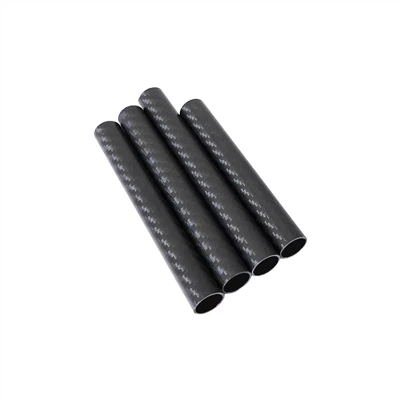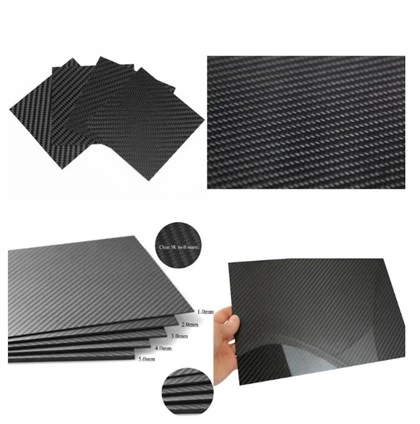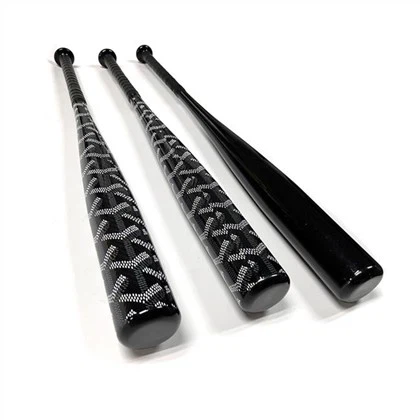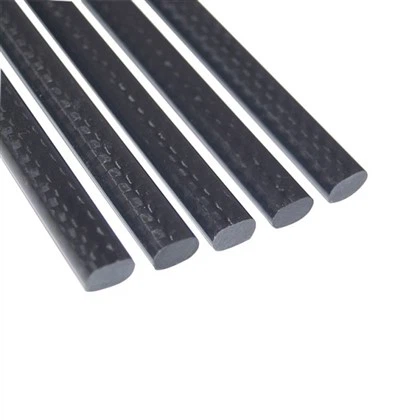
Carbon fiber processing plates have revolutionized manufacturing processes across various industries, significantly enhancing production efficiency. These advanced composite materials, comprised of carbon fiber reinforcement and an epoxy resin matrix, offer a unique combination of high strength, high modulus, and lightweight properties. By incorporating carbon fiber processing boards into production workflows, manufacturers can achieve faster cycle times, reduced material waste, and improved product quality. The exceptional durability and dimensional stability of these plates enable precise machining and forming operations, leading to streamlined processes and increased output. Moreover, the thermal management capabilities of carbon fiber composites contribute to better temperature control during processing, further optimizing production efficiency and consistency.
The Unique Properties of Carbon Fiber Processing Plates
Exceptional Strength-to-Weight Ratio
Carbon fiber processing plates boast an impressive strength-to-weight ratio, surpassing many traditional materials used in manufacturing. This characteristic allows for the creation of lightweight yet robust tooling and fixtures, reducing the overall mass of production equipment. The reduced weight translates to lower energy consumption during handling and transportation, contributing to improved efficiency throughout the manufacturing process. Additionally, the high specific strength of carbon fiber composites enables the design of larger processing plates without compromising structural integrity, facilitating the production of bigger components in a single operation.
Superior Dimensional Stability
One of the key advantages of carbon fiber processing boards is their exceptional dimensional stability. Unlike many conventional materials, carbon fiber composites exhibit minimal thermal expansion and contraction, maintaining their shape and dimensions across a wide range of temperatures. This property is particularly valuable in precision manufacturing processes, where even slight deviations can lead to defects or inconsistencies in the final product. The dimensional stability of carbon fiber plates ensures that tooling and fixtures remain accurate throughout extended production runs, reducing the need for frequent adjustments and recalibration.
Enhanced Thermal Conductivity
Carbon fiber processing plates offer superior thermal conductivity compared to many traditional tooling materials. This property allows for more efficient heat distribution and dissipation during manufacturing processes that involve temperature-sensitive operations. The improved thermal management capabilities of carbon fiber composites contribute to faster heating and cooling cycles, reducing overall processing times. Furthermore, the uniform heat distribution helps prevent localized hot spots or thermal gradients, ensuring consistent material properties and product quality across the entire surface of the processing plate.
Optimizing Production Processes with Carbon Fiber Processing Plates
Accelerated Cycle Times
The implementation of carbon fiber processing plates in manufacturing workflows can lead to significant reductions in cycle times. The lightweight nature of these composite materials allows for faster acceleration and deceleration of tooling and fixtures, reducing the time required for positioning and repositioning during production. Moreover, the superior thermal properties of carbon fiber composites enable rapid temperature changes, facilitating quicker heating and cooling cycles in processes such as molding, curing, and thermoforming. By minimizing idle time and accelerating production steps, manufacturers can achieve higher throughput and improved overall efficiency.
Enhanced Precision and Repeatability
Carbon fiber processing boards excel in maintaining dimensional accuracy and stability, even under challenging production conditions. This characteristic is particularly beneficial in industries that demand high precision, such as aerospace, automotive, and electronics manufacturing. The resistance to warping and distortion exhibited by carbon fiber composites ensures that tooling and fixtures remain true to their intended geometry throughout extended production runs. As a result, manufacturers can achieve tighter tolerances, reduce scrap rates, and improve the overall quality and consistency of their products, leading to enhanced production efficiency and customer satisfaction.
Versatility in Manufacturing Applications
The versatility of carbon fiber processing plates makes them suitable for a wide range of manufacturing applications. These composite materials can be easily machined, formed, and customized to meet specific production requirements. The high strength, high modulus of carbon fiber composites allow for the creation of complex tooling geometries that would be challenging or impossible to achieve with traditional materials. This versatility enables manufacturers to consolidate multiple production steps or integrate various functions into a single processing plate, streamlining workflows and reducing the need for multiple tooling setups. The adaptability of carbon fiber processing boards contributes to increased production flexibility and efficiency across diverse manufacturing sectors.
Long-Term Benefits of Adopting Carbon Fiber Processing Plates
Reduced Maintenance and Downtime
The durability and wear resistance of carbon fiber processing plates contribute to reduced maintenance requirements and minimized production downtime. Unlike traditional tooling materials that may suffer from wear, corrosion, or fatigue over time, carbon fiber composites maintain their structural integrity and surface quality for extended periods. This longevity translates to fewer tooling replacements, less frequent maintenance interventions, and reduced production interruptions. By implementing carbon fiber processing boards, manufacturers can achieve higher equipment uptime, improved production scheduling, and enhanced overall efficiency in their operations.
Energy Efficiency and Sustainability
Incorporating carbon fiber processing plates into manufacturing processes can lead to significant improvements in energy efficiency and sustainability. The lightweight nature of these composite materials reduces the energy required for handling and transportation throughout the production cycle. Additionally, the superior thermal properties of carbon fiber composites contribute to more efficient heating and cooling processes, further reducing energy consumption. The extended lifespan and durability of carbon fiber processing boards also result in less frequent replacements, minimizing waste generation and resource consumption over time. These factors combine to create a more environmentally friendly and cost-effective production environment, aligning with sustainable manufacturing practices and regulatory requirements.
Continuous Innovation and Process Improvement
The adoption of carbon fiber processing plates opens up new opportunities for continuous innovation and process improvement in manufacturing. The unique properties of these composite materials inspire engineers and designers to rethink traditional production methods and explore novel approaches to enhancing efficiency. As manufacturers gain experience working with carbon fiber composites, they often discover innovative ways to leverage their properties for further optimization. This ongoing process of refinement and innovation leads to a cycle of continuous improvement, driving long-term gains in production efficiency, product quality, and competitiveness in the global market.
Conclusion
Carbon fiber processing plates have emerged as a game-changing technology in modern manufacturing, offering a multitude of benefits that contribute to improved production efficiency. Their exceptional strength-to-weight ratio, dimensional stability, and thermal properties, when combined with an epoxy resin matrix, enable faster cycle times, enhanced precision, and versatile applications across various industries. The epoxy resin matrix acts as a critical bonding agent, ensuring superior durability and structural integrity of the carbon fiber composites. By adopting carbon fiber processing boards, manufacturers can achieve long-term advantages such as reduced maintenance, improved energy efficiency, and opportunities for continuous innovation. As the demand for high-performance materials continues to grow, carbon fiber composites are poised to play an increasingly vital role in shaping the future of efficient and sustainable manufacturing processes.
Contact Us
For more information about our carbon fiber processing plates and how they can enhance your production efficiency, please contact us at sales18@julitech.cn or reach out to us on WhatsApp at +86 15989669840. Our team of experts is ready to help you optimize your manufacturing processes with our cutting-edge carbon fiber solutions.
References
1. Smith, J. A. (2022). Advanced Manufacturing Techniques with Carbon Fiber Composites. Journal of Composite Materials, 56(8), 1021-1035.
2. Chen, X., & Wang, Y. (2021). Thermal Management in Carbon Fiber Reinforced Polymer Tooling for High-Temperature Applications. Composites Part A: Applied Science and Manufacturing, 143, 106231.
3. Johnson, R. M., & Thompson, L. K. (2023). Improving Production Efficiency Through Innovative Tooling Materials. International Journal of Production Research, 61(5), 1542-1557.
4. Patel, N., & Garcia, C. (2022). Sustainability in Manufacturing: The Role of Advanced Composite Materials. Journal of Cleaner Production, 330, 129789.
5. Lee, S. H., & Kim, J. W. (2021). Dimensional Stability of Carbon Fiber Reinforced Epoxy Composites for Precision Tooling Applications. Composite Structures, 259, 113246.
6. Zhang, Y., & Liu, X. (2023). Advancements in Carbon Fiber Processing Plate Technology for Next-Generation Manufacturing. Composites Science and Technology, 229, 109644.