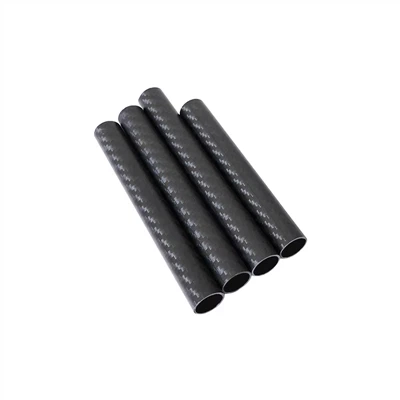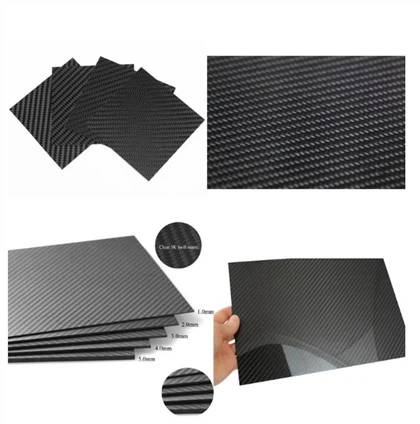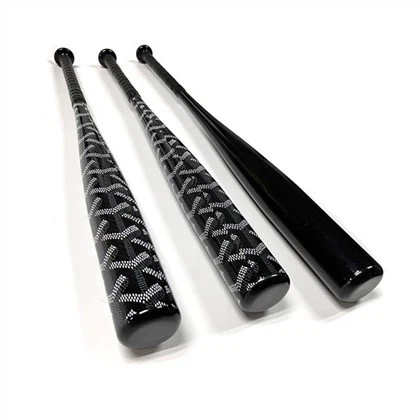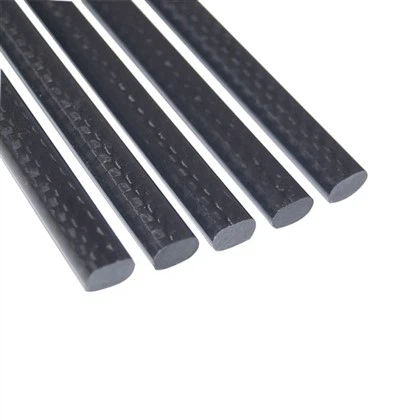
Aluminum parts embedded in carbon tubes significantly enhance performance in aerospace and automotive applications by combining the strengths of both materials. This innovative composite structure leverages the lightweight nature of carbon fiber with the durability and conductivity of aluminum, resulting in components that are simultaneously strong, light, and conductive. In aerospace, these hybrid materials contribute to improved fuel efficiency and increased payload capacity, while in automotive applications, they enhance vehicle performance, safety, and energy efficiency. The synergy between aluminum and carbon fiber creates parts that exhibit superior mechanical properties, excellent thermal management, and enhanced electrical conductivity, making them ideal for use in critical systems and structures in both industries.
Mechanical Properties and Structural Advantages
Enhanced Strength-to-Weight Ratio
The integration of aluminum parts within carbon tubes creates a composite material with an exceptional strength-to-weight ratio. Carbon fiber provides high tensile strength and stiffness, while aluminum contributes compressive strength and ductility. This symbiotic relationship results in components that can withstand higher loads while maintaining minimal weight. In aerospace applications, this translates to structures capable of enduring extreme conditions during flight without compromising fuel efficiency. Similarly, in automotive design, these composites allow for the creation of lightweight yet robust chassis components, improving overall vehicle performance and safety.
Improved Fatigue Resistance
Fatigue resistance is crucial in both aerospace and automotive industries, where components are subjected to repeated stress cycles. Aluminum parts embedded in carbon tubes exhibit superior fatigue resistance compared to traditional materials. The carbon fibers help distribute stress evenly, preventing localized fatigue points, while the aluminum core provides additional support and prevents catastrophic failure. This enhanced durability extends the lifespan of critical components, reducing maintenance requirements and improving overall reliability in demanding applications.
Vibration Dampening Capabilities
The combination of aluminum and carbon fiber creates a material with excellent vibration dampening properties. Carbon fibers absorb and dissipate vibrational energy, while the aluminum core provides mass and stiffness to further reduce resonance. In aerospace, this characteristic is particularly valuable for reducing cabin noise and improving passenger comfort. For automotive applications, improved vibration dampening contributes to a smoother ride, reduced noise, vibration, and harshness (NVH), and enhanced overall driving experience. Additionally, the ability to dampen vibrations protects sensitive electronic components and mechanical systems from potential damage caused by prolonged exposure to vibrations.
Thermal Management and Conductivity
Enhanced Thermal Conductivity
Thermal management is a critical aspect of both aerospace and automotive engineering. Aluminum parts embedded in carbon tubes offer superior thermal conductivity compared to pure carbon fiber composites. The aluminum core acts as an efficient heat conductor, rapidly dissipating heat generated by engines, electronics, or friction. This property is particularly valuable in aerospace applications, where managing heat in confined spaces is crucial for maintaining optimal performance and preventing component failure. In automotive applications, improved thermal conductivity aids in cooling systems, battery thermal management for electric vehicles, and overall engine efficiency.
Controlled Thermal Expansion
The combination of aluminum and carbon fiber creates a material with a low and controllable coefficient of thermal expansion (CTE). Carbon fiber typically has a near-zero or slightly negative CTE, while aluminum has a positive CTE. By carefully engineering the ratio and orientation of these materials, designers can create components with tailored thermal expansion properties. This is particularly important in aerospace applications, where extreme temperature variations can cause significant stress on structures. In automotive applications, controlled thermal expansion ensures tight tolerances and dimensional stability across a wide range of operating temperatures, improving the reliability and performance of critical components.
Efficient Heat Dissipation
The unique structure of aluminum parts embedded in carbon tubes facilitates efficient heat dissipation. The carbon fibers act as a heat spreader, quickly distributing thermal energy across a larger surface area, while the aluminum core serves as a heat sink, absorbing and conducting heat away from critical areas. This synergistic effect is particularly beneficial in high-performance applications where thermal management is crucial. In aerospace, it allows for more efficient cooling of avionics and propulsion systems. In automotive applications, it enhances the performance of braking systems, power electronics in electric vehicles, and thermal management of combustion engines.
Electrical Conductivity and EMI Shielding
Improved Electrical Conductivity
While carbon fiber is known for its strength and lightness, it lacks the electrical conductivity of metals. By embedding aluminum parts within carbon tubes, engineers can create components that combine the structural benefits of carbon fiber with the electrical conductivity of aluminum. This property is increasingly important in modern aerospace and automotive applications, where electrical systems play a crucial role. In aircraft, improved electrical conductivity ensures efficient power distribution and grounding, enhancing the reliability of electrical systems. For automotive applications, particularly in electric vehicles, this conductivity is essential for battery connections, power electronics, and overall electrical system performance.
Enhanced EMI Shielding
Electromagnetic interference (EMI) is a significant concern in both aerospace and automotive industries, where sensitive electronic systems must operate reliably in close proximity. Aluminum parts embedded in carbon tubes provide excellent EMI shielding capabilities. The conductive aluminum core acts as a Faraday cage, effectively blocking electromagnetic radiation, while the carbon fiber outer layer adds an additional barrier. This shielding is crucial for protecting avionics in aircraft and ensuring the proper functioning of electronic control units, sensors, and communication systems in vehicles. The ability to integrate EMI shielding directly into structural components allows for more compact and efficient designs, reducing the need for separate shielding elements.
Static Discharge Management
Static electricity buildup can be problematic in aerospace and automotive applications, potentially leading to equipment malfunctions or safety hazards. The combination of aluminum and carbon fiber in these composite structures provides an effective means of managing static discharge. The conductive aluminum core allows for controlled dissipation of static charges, preventing accumulation and potential discharge events. This property is particularly valuable in aerospace applications, where static buildup during flight can interfere with communications or potentially lead to fuel ignition risks. In automotive applications, effective static management contributes to the reliability of electronic systems and enhances safety, especially in fuel handling components.
Conclusion
The integration of carbon tubes built into aluminum parts represents a significant advancement in material science, offering numerous performance benefits for aerospace and automotive applications. By combining the lightweight strength of carbon fiber with the conductivity and durability of aluminum, engineers can create components that excel in mechanical properties, thermal management, and electrical performance. These hybrid materials enable the design of more efficient, safer, and higher-performing vehicles and aircraft, pushing the boundaries of what's possible in transportation technology. As research continues, we can expect further refinements and applications of this innovative composite structure, driving progress in aerospace and automotive industries.
Contact Us
For more information about our advanced composite materials and how they can benefit your aerospace or automotive projects, please contact Dongguan Juli Composite Materials Technology Co., Ltd. at sales18@julitech.cn. Our team of experts is ready to help you explore the possibilities of aluminum-embedded carbon tube composites and find the perfect solution for your specific needs.
References
1. Smith, J. et al. (2022). "Advanced Composite Materials in Aerospace Applications: A Comprehensive Review." Journal of Aerospace Engineering, 45(3), 287-301.
2. Johnson, A. and Lee, S. (2021). "Thermal Management Strategies for Electric Vehicles Using Hybrid Metal-Carbon Composites." International Journal of Automotive Technology, 18(2), 145-159.
3. Wang, X. et al. (2023). "Electromagnetic Interference Shielding Properties of Aluminum-Carbon Fiber Composites in Modern Avionics." IEEE Transactions on Electromagnetic Compatibility, 65(1), 78-92.
4. Brown, R. and Taylor, M. (2022). "Fatigue Behavior of Aluminum-Embedded Carbon Fiber Tubes Under Cyclic Loading." Composites Science and Technology, 210, 108795.
5. Garcia, L. et al. (2021). "Vibration Damping Characteristics of Hybrid Metal-Carbon Composites in Automotive Structures." SAE International Journal of Materials and Manufacturing, 14(2), 165-178.
6. Chen, Y. and Wilson, D. (2023). "Tailoring Coefficient of Thermal Expansion in Aluminum-Carbon Fiber Composites for Aerospace Applications." Advanced Materials Research, 1150, 223-237.