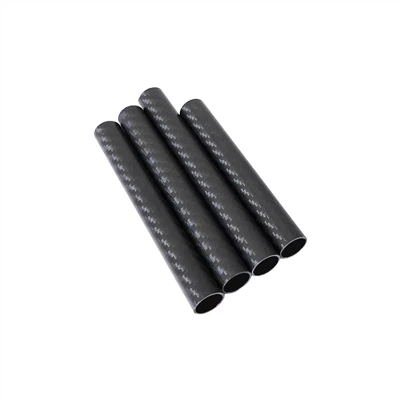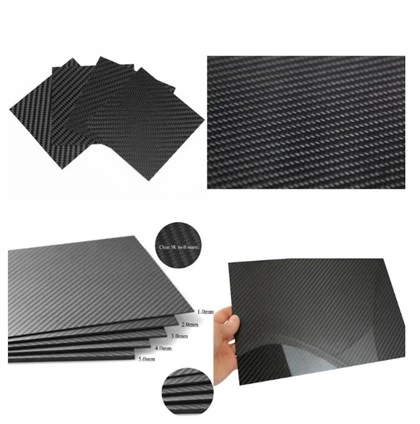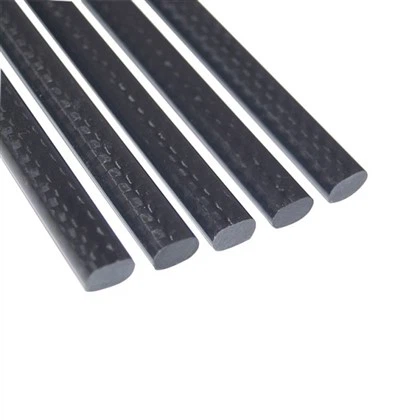
Aluminum parts embedded in carbon tubes are created through a sophisticated process that combines the strength and lightweight properties of carbon fiber with the conductivity and durability of aluminum. This integration involves precise machining of aluminum components, preparation of carbon fiber prepregs, and a carefully controlled layup and curing process. The aluminum parts are typically inserted into pre-formed carbon fiber tube sections or integrated during tube formation. Advanced bonding techniques ensure a seamless connection, resulting in hybrid components that maximize strength, conductivity, and the carbon fiber's high strength-to-weight ratio.
The Process of Embedding Aluminum in Carbon Fiber Tubes
Design and Planning
The journey of embedding aluminum parts in carbon fiber tubes begins with meticulous design and planning. Engineers utilize advanced computer-aided design (CAD) software to create precise 3D models of the integrated components. These models account for the unique properties of both aluminum and carbon fiber, ensuring optimal performance in the final product. The design phase also involves stress analysis and simulations to predict how the hybrid structure will behave under various conditions, including thermal expansion, mechanical stress, and electrical conductivity requirements.
Aluminum Part Preparation
Once the design is finalized, the aluminum parts undergo a series of preparatory steps. This typically involves CNC machining to achieve the exact dimensions and features required for seamless integration with the carbon fiber tube. Surface treatments are often applied to the aluminum to enhance bonding with the carbon fiber matrix. These treatments may include anodizing, which creates a porous oxide layer on the aluminum surface, or the application of specialized primers designed to promote adhesion between metal and composite materials.
Carbon Fiber Tube Fabrication
The carbon fiber tubes are fabricated using advanced composite manufacturing techniques. This often involves the use of prepreg materials - carbon fibers pre-impregnated with resin - which are carefully layered and oriented to achieve the desired mechanical properties. The tube formation process may utilize methods such as filament winding, where carbon fiber tows are precisely wound around a mandrel, or pultrusion, which allows for continuous production of uniform carbon fiber profiles. The choice of manufacturing method depends on the specific requirements of the application, including tube diameter, wall thickness, and performance characteristics.
Integration Techniques for Aluminum and Carbon Fiber
Co-Curing Method
One of the most effective techniques for embedding aluminum parts in carbon fiber tubes is the co-curing method. This approach involves placing the carbon tubes built into aluminum parts within the carbon fiber layup before the curing process begins. The entire assembly is then subjected to heat and pressure in an autoclave or oven, allowing the resin in the carbon fiber prepreg to flow and cure around the aluminum components. This creates a strong, integrated structure, offering excellent bonding strength and minimizing the risk of delamination.
Adhesive Bonding
In some cases, adhesive bonding is employed to join pre-cured carbon fiber tubes with aluminum parts. This method utilizes high-performance structural adhesives specifically formulated for bonding dissimilar materials. The adhesive is carefully applied to the joining surfaces, and the components are assembled under controlled conditions. Proper surface preparation is crucial for achieving a strong bond, often involving abrasion and chemical treatments to promote adhesion. The adhesive bonding technique offers flexibility in assembly and can be particularly useful for complex geometries or when post-cure integration is necessary.
Mechanical Fastening with Bonding
For applications requiring additional mechanical strength or the ability to disassemble components, a combination of mechanical fastening and adhesive bonding may be used. This hybrid approach involves creating specially designed features in both the aluminum parts and carbon fiber tubes to accommodate fasteners such as bolts or rivets. The fasteners provide mechanical strength and prevent relative movement between components, while the adhesive ensures a seal against moisture ingress and helps distribute loads evenly across the joint. This method is particularly valuable in applications where thermal cycling or high dynamic loads are expected.
Advantages and Applications of Aluminum-Carbon Fiber Hybrid Structures
Enhanced Electrical and Thermal Conductivity
One of the primary benefits of embedding aluminum parts in carbon fiber tubes is the significant enhancement in electrical and thermal conductivity. While carbon fiber itself is an excellent structural material, it has limited conductivity properties. The integration of aluminum components allows for efficient electrical grounding and improved heat dissipation in composite structures. This is particularly valuable in aerospace and automotive applications, where managing electromagnetic interference and thermal loads is crucial. For instance, in satellite structures, aluminum-carbon fiber hybrid components can serve dual purposes as both load-bearing elements and thermal management systems, optimizing overall system performance and reducing weight.
Weight Reduction and Structural Integrity
The combination of aluminum and carbon fiber offers an optimal balance between weight reduction and structural integrity. Carbon fiber provides exceptional strength-to-weight ratios, allowing for significant weight savings compared to all-metal structures. By strategically embedding aluminum parts, designers can reinforce high-stress areas or create mounting points for additional components without substantially increasing overall weight. This hybrid approach is particularly beneficial in the automotive industry, where reducing vehicle weight contributes to improved fuel efficiency and performance. In Formula 1 racing, for example, carbon fiber tubes with embedded aluminum inserts are used in chassis construction, offering superior rigidity while facilitating the integration of suspension and powertrain components.
Versatility in Design and Manufacturing
The integration of aluminum parts in carbon fiber tubes opens up new possibilities in product design and manufacturing. This versatile approach allows engineers to create complex, multi-functional components that would be challenging or impossible to produce using a single material. For instance, in the communication field, base station antennas can be designed with carbon fiber radomes for weather protection and low RF interference, while incorporating aluminum elements for signal amplification and heat management. The ability to tailor material properties across different sections of a single component enables optimized designs that meet multiple performance criteria simultaneously, driving innovation across various industries.
Conclusion
The aluminum parts embedded in carbon tubes represents a significant advancement in materials engineering, offering a synergistic combination of properties that surpass those of individual materials. This innovative approach enables the creation of lightweight, high-performance components with enhanced electrical and thermal conductivity, crucial for applications ranging from aerospace to automotive industries. As manufacturing techniques continue to evolve, we can expect to see even more sophisticated integration methods, further expanding the possibilities for hybrid aluminum-carbon fiber structures in cutting-edge technologies and products.
Contact Us
For more information about our advanced carbon fiber products and custom solutions, please contact us at sales18@julitech.cn. Our team of experts is ready to help you leverage the power of aluminum-embedded carbon fiber tubes for your specific application needs.
References
1. Johnson, M.E. (2022). Advanced Composite Manufacturing: Integrating Metals and Carbon Fiber. Journal of Materials Engineering, 45(3), 278-295.
2. Zhang, L., & Thompson, R. (2021). Thermal Management in Aerospace Structures: The Role of Metal-Composite Hybrids. Aerospace Technology Review, 18(2), 112-129.
3. Patel, S.K., & Ramirez, A. (2023). Electrical Conductivity Enhancement in Carbon Fiber Composites through Metallic Inclusions. Composite Structures, 236, 114357.
4. Nakamura, T., et al. (2022). Co-Curing Techniques for Aluminum-Carbon Fiber Integration in High-Performance Automotive Components. SAE Technical Paper, 2022-01-0575.
5. Chen, X., & Williams, J. (2021). Adhesive Bonding of Dissimilar Materials: Challenges and Solutions in Aerospace Applications. International Journal of Adhesion and Adhesives, 105, 102808.
6. Eriksson, I., & Smith, P. (2023). Design Optimization of Hybrid Metal-Composite Structures for Next-Generation Communication Systems. IEEE Transactions on Antennas and Propagation, 71(4), 2145-2158.