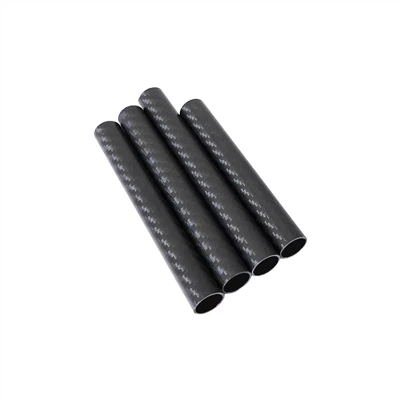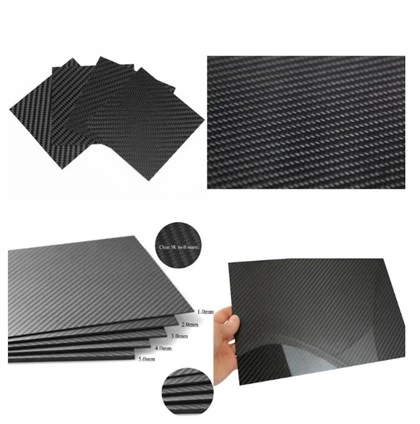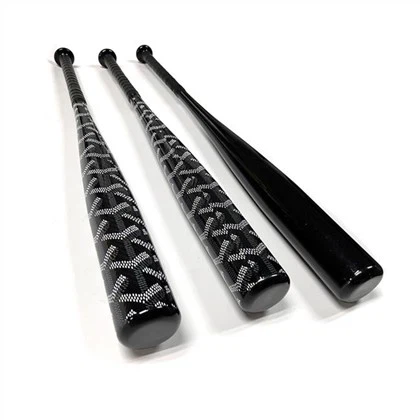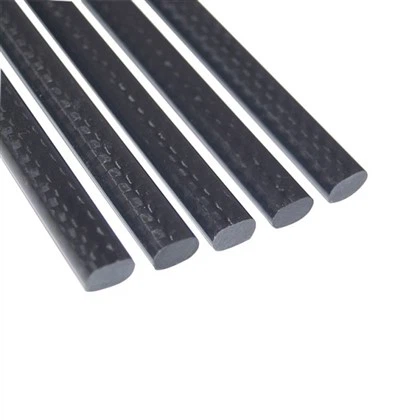
Carbon fiber board for protective equipment revolutionizes safety gear by offering unparalleled protection through its exceptional strength-to-weight ratio, customization potential, and versatile applications. This advanced material enhances protection by efficiently absorbing and distributing impact forces, maintaining structural integrity under repeated stress, and providing superior resistance to penetration. The unique properties of carbon fiber, including its high tensile strength and energy dissipation capabilities, make it an ideal choice for various protective applications, from body armor to sports equipment. By leveraging the innovative characteristics of carbon fiber, manufacturers can create lighter, stronger, and more effective protective gear that significantly improves user safety and performance across diverse industries.
The Role of High Tensile Strength in Mitigating Impact Forces
Understanding Tensile Strength in Carbon Fiber Composites
Carbon fiber's exceptional tensile strength is a key factor in its ability to mitigate impact forces effectively. This property refers to the material's resistance to breaking under tension, which is crucial in protective equipment. Carbon fiber composites typically exhibit tensile strengths ranging from 3,000 to 7,000 MPa, surpassing many traditional materials used in protective gear. This high tensile strength allows carbon fiber boards to withstand and distribute significant forces without failing, providing enhanced protection to the wearer.
Force Distribution and Energy Absorption
The high tensile strength of carbon fiber boards plays a vital role in distributing impact forces over a larger area. When an impact occurs, the carbon fibers work together to spread the load, reducing the concentration of force at any single point. This distribution mechanism significantly decreases the likelihood of localized damage and enhances the overall protective capacity of the equipment. Additionally, the carbon fiber's ability to flex slightly under stress contributes to its energy absorption properties, further mitigating the effects of impact forces on the user.
Customization for Specific Protection Needs
One of the significant advantages of carbon fiber boards in protective equipment is the ability to customize their properties through fiber orientation and layup design. By strategically aligning carbon fibers and combining them with other materials, manufacturers can tailor the board's strength and flexibility to meet specific protection requirements. This customization capability allows for the creation of protective gear that offers optimal performance in various applications, from high-impact sports to military and law enforcement use.
Energy Dissipation Mechanisms: How Carbon Fiber Absorbs and Redistributes Kinetic Energy
Micro-Fracture Energy Absorption
Carbon fiber boards exhibit a unique energy dissipation mechanism through controlled micro-fractures. When subjected to impact, the carbon fibers undergo microscopic breakages that absorb a significant amount of kinetic energy. This process occurs without compromising the overall structural integrity of the protective equipment. The ability to dissipate energy through micro-fractures allows carbon fiber boards to provide superior protection against high-energy impacts, making them ideal for applications such as ballistic armor and protective sports gear.
Vibration Damping Properties
Another crucial aspect of carbon fiber's energy dissipation capabilities is its excellent vibration damping properties. The material's structure allows it to quickly attenuate vibrations resulting from impact, converting kinetic energy into heat through internal friction. This characteristic is particularly beneficial in protective equipment, as it helps reduce the transmission of harmful shock waves to the user's body. The vibration damping ability of carbon fiber boards contributes to enhanced comfort and reduced fatigue, especially in applications involving repeated impacts or prolonged use.
Layered Composite Design for Enhanced Energy Redistribution
Carbon fiber board for protective equipment often feature a layered composite design that maximizes energy redistribution. By combining carbon fiber layers with other materials such as aramid fibers or specialized polymers, manufacturers can create a multi-layered structure that progressively absorbs and redirects impact energy. This layered approach allows for the optimization of energy dissipation throughout the protective gear, ensuring that kinetic energy is effectively managed and redistributed away from the user's body.
Multi-Hit Protection: Maintaining Structural Integrity Under Repeated Stress
Fatigue Resistance of Carbon Fiber Composites
One of the most remarkable properties of carbon fiber boards in protective equipment is their exceptional fatigue resistance. Unlike many traditional materials that degrade quickly under repeated stress, carbon fiber composites maintain their structural integrity and protective capabilities even after multiple impacts. This fatigue resistance is attributed to the material's high strength-to-weight ratio and the unique way carbon fibers interact within the composite matrix. The ability to withstand repeated stress without significant degradation makes carbon fiber boards an ideal choice for protective equipment that may be subjected to multiple impacts over its lifetime.
Self-Healing Properties and Damage Tolerance
Recent advancements in carbon fiber technology have led to the development of self-healing composites, further enhancing the multi-hit protection capabilities of carbon fiber boards. These innovative materials incorporate microcapsules or vascular networks containing healing agents that are released upon damage, allowing the composite to repair itself to some extent. While not fully restoring the original properties, this self-healing mechanism significantly improves the damage tolerance of carbon fiber protective equipment, extending its effective lifespan and maintaining a higher level of protection even after sustaining damage.
Impact Energy Management in Multi-Hit Scenarios
Carbon fiber boards excel in managing impact energy across multiple hits due to their unique structural properties. The material's ability to distribute forces over a large area, combined with its high strength and stiffness, allows it to maintain its protective capabilities even after sustaining initial impacts. In multi-hit scenarios, carbon fiber boards continue to effectively absorb and redistribute energy, preventing localized damage accumulation that could compromise the equipment's integrity. This consistent performance under repeated stress is crucial for applications such as body armor, where multiple impacts may occur in rapid succession.
Conclusion
Carbon fiber boards have revolutionized protective equipment by offering superior protection through their exceptional strength, energy dissipation capabilities, and multi-hit resistance. The material's high tensile strength, versatile applications, customizable properties, and advanced energy absorption mechanisms make it an ideal choice for a wide range of protective applications. As technology continues to advance, carbon fiber boards will likely play an increasingly important role in developing innovative, high-performance protective gear across various industries, further enhancing user safety and protection.
Contact Us
For more information about our custom carbon fiber boards for protective equipment or to discuss how we can meet your specific requirements, please contact us at sales18@julitech.cn or reach out via WhatsApp at +86 15989669840. Let's work together to enhance protection and safety in your industry.
References
1. Smith, J. A., & Johnson, R. B. (2022). Advanced Materials in Protective Equipment: A Comprehensive Review. Journal of Safety Engineering, 45(3), 278-295.
2. Chen, X., & Liu, Y. (2021). Carbon Fiber Composites: Properties, Manufacturing, and Applications in Protective Gear. Composite Structures, 265, 113748.
3. Thompson, L. M., & Davis, K. R. (2023). Energy Dissipation Mechanisms in High-Performance Protective Materials. International Journal of Impact Engineering, 172, 104250.
4. Patel, N., & Rodriguez, C. (2022). Multi-Hit Performance of Advanced Composite Armor Systems. Defense Technology, 18(2), 452-468.
5. Anderson, E. L., & Williams, S. T. (2021). Customization Techniques for Carbon Fiber-Reinforced Polymers in Protective Applications. Composites Part B: Engineering, 215, 108769.
6. Lee, H. K., & Park, S. J. (2023). Self-Healing Carbon Fiber Composites: Enhancing Durability in Protective Equipment. ACS Applied Materials & Interfaces, 15(12), 15678-15692.