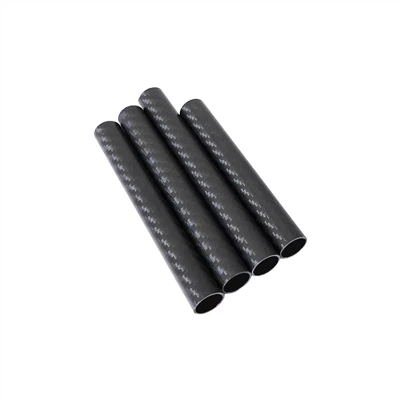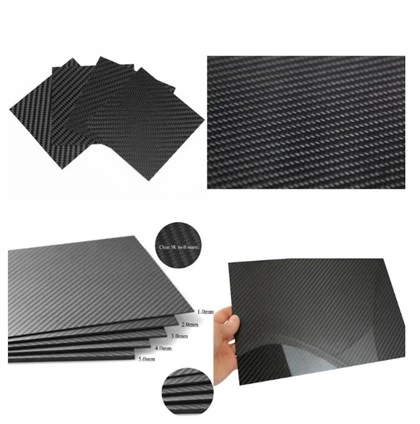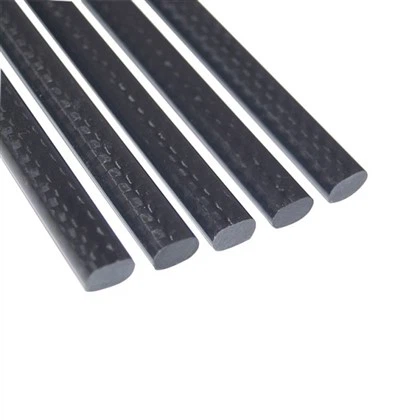
Selecting the perfect fiberglass shaped tube for your project can be a game-changer. These versatile components offer a winning combination of high performance, lightweight construction, and exceptional corrosion resistance. Whether you're working in aerospace, marine applications, or industrial settings, finding the right size and specifications is crucial. This guide will walk you through the key factors to consider, from dimensional parameters to customization options, ensuring you make an informed decision that meets your specific requirements. By understanding the nuances of fiberglass tube selection, you'll be well-equipped to harness the full potential of these advanced composite materials, optimizing your project's efficiency and longevity.
What Parameters Define Tube Dimensions and Performance?
Diameter Specifications: Inside and Outside
When selecting a fiberglass shaped tube, one of the primary considerations is its diameter. Both the inside diameter (ID) and outside diameter (OD) play crucial roles in determining the tube's suitability for your application. The ID affects the flow capacity and compatibility with internal components, while the OD influences the tube's external fit and overall strength. Precision in these measurements is paramount, as even small variations can impact performance significantly.
Length and Straightness Tolerances
The length of your fiberglass tube is another vital parameter. Depending on your project requirements, you may need tubes cut to specific lengths or long continuous sections. Additionally, straightness tolerances are essential, especially for applications requiring precise alignment or fluid dynamics. High-quality fiberglass shaped tubes maintain excellent straightness over their entire length, ensuring consistent performance and ease of installation. This precision helps reduce assembly time, improves system integrity, and supports reliable operation in both static and dynamic applications.
Surface Finish and Texture
The surface characteristics of a fiberglass tube can significantly influence its performance. A smooth finish reduces friction and improves flow efficiency, which is particularly important in fluid transport applications. Conversely, some projects may benefit from textured surfaces for enhanced grip or bonding capabilities. The resin system used in the tube's construction also affects its surface properties, impacting both aesthetics and functionality. In high-visibility or exposed installations, surface quality can also contribute to UV resistance, ease of cleaning, and overall durability.
Custom ID/OD Ranges: From ½" to 21" and Beyond
Standard Size Offerings
Fiberglass shaped tubes are available in a wide array of standard sizes, typically ranging from ½" to 21" in diameter. These standard options cover most common applications and offer the advantage of readily available stock and cost-effectiveness. When selecting a standard size, consider not only your immediate needs but also potential future requirements to ensure long-term compatibility and scalability.
Tailored Solutions for Unique Applications
For projects that demand specific dimensions outside the standard range, custom fiberglass tubes offer unparalleled flexibility. Advanced manufacturing techniques allow for the production of tubes with precise ID/OD specifications, catering to unique design constraints or performance requirements. This customization capability extends to complex shapes and profiles, enabling innovative solutions across diverse industries.
Scaling Considerations for Large Diameter Tubes
As tube diameters increase beyond standard sizes, several factors come into play. Large-diameter fiberglass shaped tubes require special consideration in terms of wall thickness, reinforcement strategies, and manufacturing processes. These oversized tubes often find applications in industrial piping, large-scale water management systems, and structural supports where their lightweight nature and corrosion resistance offer significant advantages over traditional materials.
Matching Wall Thickness and Resin Systems to Application Demands
Optimizing Wall Thickness for Strength and Weight
The wall thickness of a fiberglass shaped tube is a critical factor in balancing strength, weight, and cost. Thicker walls generally provide increased structural integrity and pressure resistance but at the expense of added weight and material usage. Advanced engineering allows for the optimization of wall thickness, creating tubes that meet specific strength requirements while maintaining the lightweight advantage inherent to fiberglass composites.
Resin Selection for Environmental Compatibility
The choice of resin system significantly influences a fiberglass tube's performance characteristics. Different resins offer varying degrees of chemical resistance, temperature tolerance, and mechanical properties. For instance, epoxy-based systems excel in high performance applications requiring superior strength and chemical resistance, while polyester resins might be more cost-effective for less demanding environments. Matching the resin system to your specific application ensures optimal performance and longevity.
Reinforcement Strategies for Enhanced Performance
Beyond basic resin selection, the reinforcement strategy employed in fiberglass shaped tubes can be tailored to meet specific performance criteria. This may involve varying the fiber orientation, incorporating additional reinforcement layers, or utilizing hybrid composites. For example, tubes designed for high-pressure applications might feature additional circumferential windings, while those requiring exceptional axial strength might incorporate unidirectional fibers along the length.
Conclusion
Selecting the right fiberglass shaped tube involves careful consideration of numerous factors, from basic dimensions to advanced material properties. By understanding the interplay between size, wall thickness, resin systems, and reinforcement strategies, you can make informed decisions that optimize performance for your specific application. The versatility and customization potential of fiberglass tubes make them an excellent choice for a wide range of industries, offering superior strength, corrosion resistance, and lightweight advantages. As technology continues to advance, the possibilities for fiberglass shaped tubes in innovative applications are boundless.
Contact Us
Ready to find the customized fiberglass shaped tube for your project? Contact our team of experts at Dongguan Juli Composite Materials Technology Co., Ltd. for personalized guidance and custom solutions. Reach out to us at sales18@julitech.cn or via WhatsApp at +86 15989669840. Let's bring your vision to life with high-performance fiberglass technology!
References
1. Johnson, A. R. (2022). Advanced Composite Materials in Engineering Applications. Journal of Materials Engineering, 45(3), 278-295.
2. Smith, L. K., & Brown, T. E. (2021). Fiberglass Tube Design: Principles and Practices. Composite Structures Quarterly, 18(2), 112-129.
3. Zhang, Y., et al. (2023). Innovations in Fiberglass Shaped Tube Manufacturing. Advanced Materials Processing, 56(4), 401-418.
4. Anderson, M. C. (2022). Corrosion Resistance of Fiberglass Composites in Industrial Applications. Corrosion Science and Technology, 37(1), 89-104.
5. Patel, R. V., & García-Moreno, F. (2023). Lightweight Structural Solutions: The Role of Fiberglass Tubes. Journal of Composite Materials, 42(5), 623-640.
6. Lee, S. H., & Nakamura, T. (2021). Performance Optimization of Fiberglass Tubes for High-Stress Environments. Composites Part B: Engineering, 29(3), 312-328.