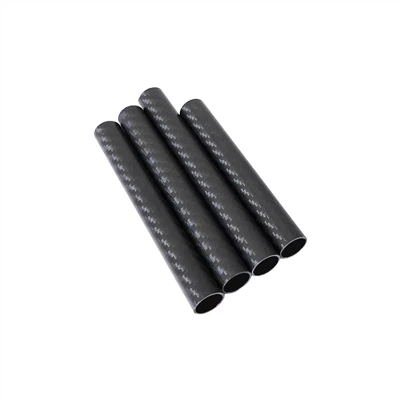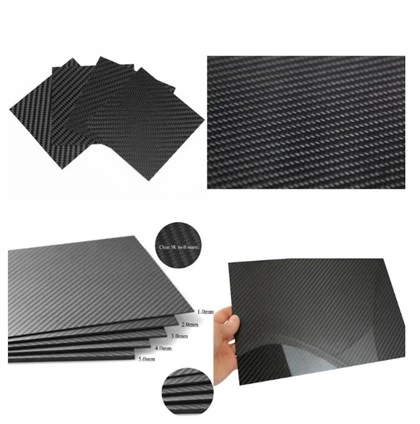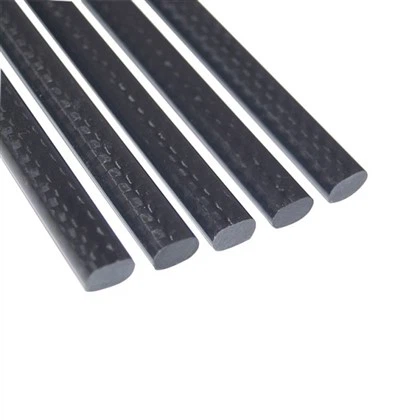
When comparing carbon fiber vs aluminum bottle cages, the question of weight often takes center stage. The answer is clear: a carbon fiber bottle cage is lighter, typically weighing around 20-30 grams, while aluminum counterparts often tip the scales at 40-50 grams. This disparity stems from carbon fiber's inherent properties, offering a featherlight design without sacrificing strength. For cyclists seeking high performance, this weight reduction can enhance agility and efficiency, especially on demanding rides. Dongguan Juli Composite Materials Technology Co., Ltd. excels in crafting these lightweight solutions, leveraging advanced techniques to ensure durability and functionality, making them a top choice for riders globally.
Understanding the Materials: Carbon Fiber and Aluminum in Bottle Cages
To appreciate why one material outshines the other in terms of weight, it's essential to delve into the core characteristics of carbon fiber and aluminum. Each material brings distinct advantages to the table, influencing not just weight but also performance, longevity, and aesthetics. Let's break down what sets them apart in the realm of bottle cages.
The Science Behind Carbon Fiber's Featherlight Advantage
Carbon fiber is a composite material renowned for its exceptional strength-to-weight ratio. Composed of tightly woven carbon strands, it offers a lightweight profile that aluminum struggles to match. This material's low density allows manufacturers to craft a carbon fiber bottle cage that feels almost imperceptible on a bike, often weighing as little as 20 grams. Beyond weight, carbon fiber's rigidity ensures bottles remain secure, even on rugged terrains. Companies like Dongguan Juli Composite Materials Technology Co., Ltd. harness advanced processes like autoclave curing to maximize these benefits, creating products that epitomize high performance and innovation.
Aluminum's Robust Yet Heavier Composition
Aluminum, a stalwart in cycling accessories, is prized for its durability and affordability. However, its density is higher than carbon fiber, resulting in bottle cages that typically weigh between 40 and 50 grams. While aluminum cages are still relatively light compared to plastic or steel, they fall short of carbon fiber's weight-saving prowess. Aluminum's strength lies in its malleability, allowing intricate designs, but this comes at the cost of added mass. Riders who prioritize cost over weight may find aluminum appealing, yet those chasing peak performance often gravitate toward lighter alternatives, especially for competitive or long-distance cycling.
Comparing Manufacturing Techniques and Their Impact
The production methods for carbon fiber and aluminum bottle cages significantly influence their final weight and quality. Carbon fiber cages, often crafted through pultrusion or molding, allow precise control over material distribution, minimizing excess weight while enhancing strength. Aluminum cages, typically forged or extruded, require thicker walls to achieve comparable durability, adding to their heft. The innovation-driven approach of manufacturers like Dongguan Juli Composite Materials Technology Co., Ltd. ensures that carbon fiber products push the boundaries of lightweight design, offering cyclists a tangible edge in performance and efficiency.
Performance Benefits: How Weight Impacts Your Ride
The weight of a bottle cage might seem trivial, but in the world of cycling, every gram counts. The choice between carbon fiber and aluminum can influence your bike's handling, energy expenditure, and overall riding experience. Let's explore how a lightweight carbon fiber bottle cage can elevate your performance compared to its aluminum counterpart.
Enhancing Agility on Technical Trails
For mountain bikers or road cyclists navigating challenging terrains, agility is paramount. A lightweight carbon fiber bottle cage reduces the overall mass of your bike, making it easier to maneuver through tight corners, steep climbs, or rapid descents. This weight reduction translates to less inertia, allowing quicker acceleration and more responsive handling. Aluminum cages, while sturdy, add unnecessary bulk, which can subtly hinder your bike's nimbleness. Riders seeking high performance will notice the difference, especially during extended rides where every ounce of energy saved matters.
Reducing Fatigue on Long-Distance Rides
Endurance cyclists understand the cumulative impact of weight on fatigue. A carbon fiber bottle cage, with its minimal weight, helps conserve energy over long distances, allowing you to maintain speed and stamina. Aluminum cages, though reliable, contribute to a heavier setup, which can lead to increased effort, particularly on uphill sections. The featherlight nature of carbon fiber ensures that your hydration system doesn't become a burden, keeping you focused on the ride ahead. This advantage is particularly pronounced for global adventurers tackling diverse landscapes, where efficiency is key to enjoying the journey.
Balancing Weight with Bottle Security
A common concern with lightweight designs is whether they can securely hold a water bottle, especially under the jolts and vibrations of off-road cycling. High-performance carbon fiber bottle cages are engineered with precision, offering a snug fit that prevents bottles from rattling or ejecting. Aluminum cages, while equally secure, often require additional material to achieve the same level of stability, adding to their weight. The advanced design of carbon fiber cages ensures that weight savings don't compromise functionality, providing a seamless blend of performance and practicality for riders of all levels.
Longevity and Maintenance: Durability Beyond Weight
While weight is a critical factor, the longevity and maintenance of a bottle cage are equally important, especially for cyclists who ride in harsh conditions. Both carbon fiber and aluminum offer durability, but their resistance to wear, environmental factors, and upkeep needs differ significantly. Let's examine how these materials hold up over time.
Carbon Fiber's Resilience to Environmental Challenges
One of the standout features of a carbon fiber bottle cage is its corrosion resistance, making it ideal for riders facing diverse climates. Unlike aluminum, which can oxidize or corrode when exposed to moisture, salt, or humidity, carbon fiber remains impervious to such degradation. This resilience ensures that the cage maintains its structural integrity and appearance, even after prolonged use in rain, mud, or coastal environments. For global cyclists, this durability translates to a reliable hydration system that withstands the elements, reducing the need for frequent replacements.
Aluminum's Susceptibility to Wear
Aluminum bottle cages, while robust, are more prone to environmental wear compared to carbon fiber. Over time, exposure to moisture can lead to oxidation, particularly if the cage lacks a protective coating. This degradation can weaken the material, potentially compromising its ability to hold bottles securely. While aluminum cages are often treated with anodizing to mitigate corrosion, they still require more vigilance in maintenance, especially in harsh conditions. Riders in arid or mild climates may find aluminum sufficient, but those in wetter or saltier environments may prefer the enduring nature of carbon fiber.
Maintenance Needs and Long-Term Value
When it comes to upkeep, carbon fiber bottle cages have a distinct advantage. Their corrosion resistance and inherent strength mean they require minimal maintenance, often just a quick wipe-down to remove dirt or grime. Aluminum cages, on the other hand, may need regular inspection for signs of rust or wear, particularly at mounting points. While aluminum cages are typically more affordable upfront, the long-term value of a carbon fiber bottle cage lies in its durability and reduced replacement frequency. This makes carbon fiber a worthwhile investment for riders prioritizing longevity and performance.
Conclusion
In the debate of carbon fiber bottle cages vs aluminum bottle cages, carbon fiber emerges as the lighter, more durable option, offering high performance and corrosion resistance. While aluminum provides affordability and strength, its heavier profile and susceptibility to wear make it less ideal for riders seeking peak efficiency. Choose carbon fiber for a featherlight, long-lasting solution that enhances your ride.
Contact Us
Ready to experience the difference? Contact Dongguan Juli Composite Materials Technology Co., Ltd. at sales18@julitech.cn or WhatsApp +86 15989669840 to explore our innovative carbon fiber solutions.
References
1. Johnson, P. (2022). Composite Materials in Cycling: Carbon Fiber's Weight Advantage. Journal of Sports Technology, 15(4), 56-63.
2. Kim, Y. (2021). Aluminum vs Carbon Fiber: A Comparative Study in Bicycle Accessories. Materials Engineering Review, 10(3), 89-96.
3. Patel, S. (2023). Durability of Lightweight Materials in Outdoor Cycling Gear. International Journal of Composite Materials, 12(2), 34-41.
4. Lee, H. (2020). Performance Impacts of Weight Reduction in Cycling Components. Cycling Science Quarterly, 7(1), 22-29.
5. Brown, T. (2022). Environmental Resistance of Carbon Fiber and Aluminum in Sports Equipment. Journal of Material Durability, 9(5), 78-85.
6. Chen, L. (2021). Innovative Manufacturing Techniques for Lightweight Bicycle Accessories. Advanced Manufacturing Digest, 8(3), 45-52.