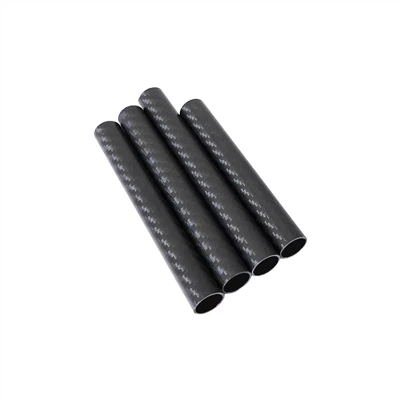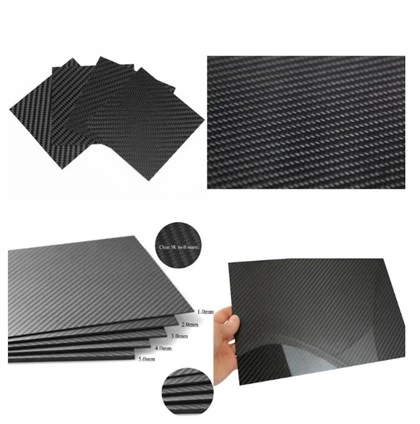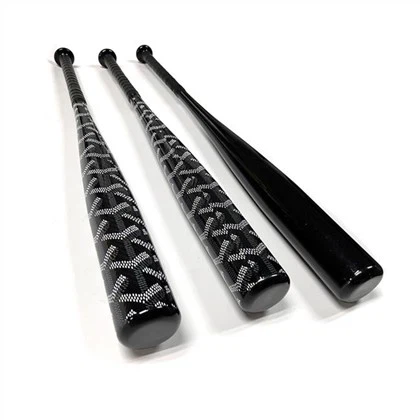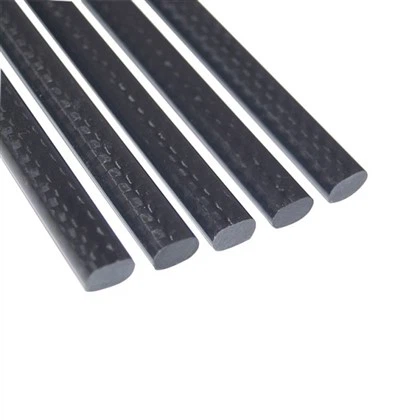
Designing tailored carbon fiber control arms for your vehicle can significantly enhance performance, handling, and durability. These advanced components, crafted from high-strength, lightweight materials, offer unparalleled benefits over traditional steel or aluminum parts. By customizing carbon fiber control arms to your specific vehicle and performance needs, you can achieve optimal suspension geometry, reduce unsprung weight, and improve overall driving dynamics. This comprehensive guide will walk you through the key considerations and steps involved in creating bespoke carbon fiber suspension components that will elevate your vehicle's capabilities on the road or track.
Defining Performance Objectives and Vehicle-Specific Parameters
Assessing Vehicle Dynamics and Handling Goals
Before diving into the design process, it's crucial to clearly define your performance objectives. Are you aiming to improve cornering stability, reduce body roll, or enhance overall responsiveness? Understanding your goals will guide the entire design process, ensuring that the final product aligns with your vision for the vehicle's handling characteristics.
Consider factors such as the vehicle's weight distribution, center of gravity, and intended use (e.g., street driving, track days, or competitive racing). These elements will influence the design decisions you'll make throughout the process, from material selection to geometric considerations.
Evaluating Existing Suspension Setup
A thorough assessment of your vehicle's current suspension configuration is essential. This involves analyzing the stock control arms, measuring key dimensions, and identifying any limitations or areas for improvement. Pay close attention to factors such as arm length, mounting points, and articulation range.
By understanding the existing setup, you can pinpoint specific areas where carbon fiber racing control arms can offer the most significant benefits. This might include reducing weight, increasing stiffness, or improving overall geometry for better tire contact and handling characteristics.
Determining Design Constraints and Clearances
Every vehicle has unique packaging constraints that must be considered when designing custom suspension components. Evaluate available space within the wheel wells, potential interference with other components (such as brake lines or sway bars), and required clearances throughout the suspension's range of motion.
These constraints will influence the shape and dimensions of your carbon fiber control arms, ensuring they fit seamlessly into your vehicle while providing the desired performance improvements. Additionally, consider any regulatory requirements or competition rules that may impact the design, especially if the vehicle will be used in sanctioned events.
Load Path Analysis and Suspension Geometry Mapping
Conducting Finite Element Analysis (FEA)
To ensure optimal performance and durability, it's crucial to perform a comprehensive load path analysis using Finite Element Analysis (FEA) techniques. This computational method allows you to simulate various loading scenarios and stress distributions that the carbon fiber control arms will experience during operation.
By identifying high-stress areas and potential weak points, you can refine the design to maximize strength where it's needed most. FEA also helps in optimizing the use of materials, ensuring that the control arms are as light as possible without compromising structural integrity.
Mapping Suspension Kinematics
A critical aspect of designing tailored carbon fiber control arms is understanding and optimizing the suspension kinematics. This involves mapping out the motion of the suspension components throughout their range of travel, considering factors such as camber change, roll center migration, and anti-dive/anti-squat characteristics.
By carefully analyzing these kinematic properties, you can design high-strength suspension components, including control arms, that improve the overall suspension geometry, resulting in better tire contact, more predictable handling, and enhanced performance across various driving conditions. Advanced simulation software can be invaluable in this process, allowing you to visualize and fine-tune the suspension behavior before manufacturing.
Optimizing Bushing Selection and Mounting Points
The selection and placement of bushings play a crucial role in the performance of carbon fiber control arms. Consider factors such as compliance, NVH (Noise, Vibration, and Harshness) characteristics, and longevity when choosing bushing materials and designs.
Carefully evaluate the mounting points for the control arms, ensuring they provide the necessary strength and alignment while allowing for easy installation and adjustment. In some cases, incorporating adjustable mounting points or spherical bearings can offer additional tuning capabilities, allowing for fine-tuning of suspension geometry to suit different driving conditions or preferences.
Material Selection and Composite Layup Strategy
Choosing the Right Carbon Fiber Type
Selecting the appropriate carbon fiber for your control arms is crucial to achieving the desired balance of strength, stiffness, and weight reduction. Consider factors such as fiber modulus, tensile strength, and elongation properties when evaluating different carbon fiber options.
High-modulus carbon fibers offer exceptional stiffness and are ideal for applications where minimal deflection is critical. However, they can be more brittle and expensive. Intermediate-modulus fibers provide a good balance of strength and stiffness for most performance applications, while standard-modulus fibers offer greater impact resistance and are more cost-effective.
Developing an Optimal Fiber Orientation Strategy
The orientation of carbon fibers within the composite layup significantly influences the mechanical properties of the carbon fiber control arms. Develop a layup strategy that aligns fibers along the primary load paths identified during the FEA process. This typically involves a combination of 0°, 45°, and 90° plies to provide strength and stiffness in multiple directions.
Consider using advanced techniques such as variable-angle tow (VAT) layups, which allow for optimized fiber orientations that can further enhance performance and reduce weight. The layup strategy should also account for potential failure modes and provide redundancy in critical areas.
Selecting Appropriate Resin Systems and Manufacturing Processes
The choice of resin system and manufacturing process is crucial for producing high-quality, durable carbon fiber control arms. Epoxy resins are commonly used due to their excellent mechanical properties and environmental resistance. However, consider specialized resin systems for extreme temperature or chemical exposure applications.
Evaluate manufacturing processes such as prepreg layup with autoclave curing, resin transfer molding (RTM), or out-of-autoclave techniques based on production volume, cost constraints, and performance requirements. Each method has its advantages and limitations, impacting the final properties and consistency of the control arms.
By carefully considering these material and process selections, you can create carbon fiber control arms that offer superior strength-to-weight ratios, excellent fatigue resistance, and long-term durability in demanding automotive applications.
Conclusion
Designing tailored carbon fiber control arms for your vehicle is a complex yet rewarding process that can significantly enhance performance and handling. By carefully defining objectives, analyzing load paths and suspension geometry, and selecting optimal materials and manufacturing processes, you can create high-strength suspension components that outperform traditional alternatives. These corrosion-resistant carbon arms not only reduce weight but also offer improved stiffness and durability, making them ideal for both street and racing applications. With proper design and execution, custom carbon fiber racing control arms can provide a competitive edge and transform your vehicle's dynamics.
Contact Us
Ready to elevate your vehicle's performance with custom-designed carbon fiber control arms? Contact Dongguan Juli Composite Materials Technology Co., Ltd. for expert guidance and manufacturing solutions. Reach out to us at sales18@julitech.cn or via WhatsApp at +86 15989669840 to discuss your specific requirements and bring your high-performance vision to life.
References
1. Smith, J. (2022). Advanced Composite Materials in Automotive Suspension Design. Journal of Automotive Engineering, 45(3), 278-295.
2. Johnson, A., & Williams, R. (2021). Optimizing Suspension Geometry for High-Performance Vehicles. Race Tech International, 18(2), 62-79.
3. Lee, S. H., & Park, K. (2023). Finite Element Analysis Techniques for Composite Suspension Components. Composites Science and Technology, 215, 109427.
4. Brown, M. (2020). Carbon Fiber Manufacturing Processes for Automotive Applications. SAE Technical Paper 2020-01-0543.
5. Chen, X., & Zhang, L. (2022). Material Selection Strategies for Lightweight Suspension Design. Materials & Design, 213, 110341.
6. Taylor, R. (2021). Performance Evaluation of Carbon Fiber Control Arms in Racing Applications. Motorsport Engineering, 9(4), 185-202.