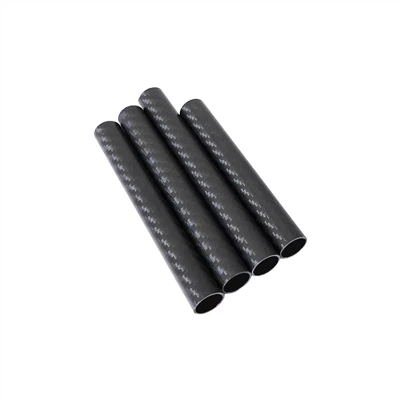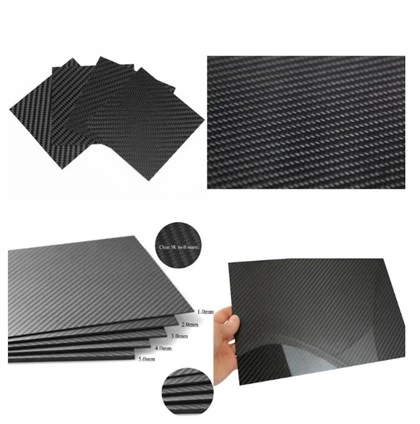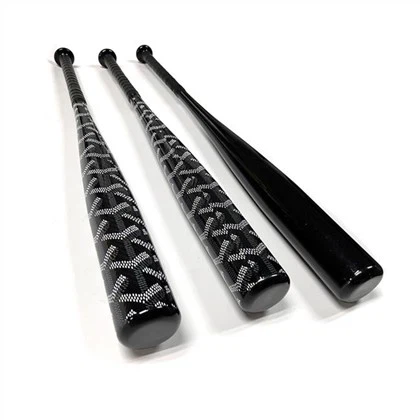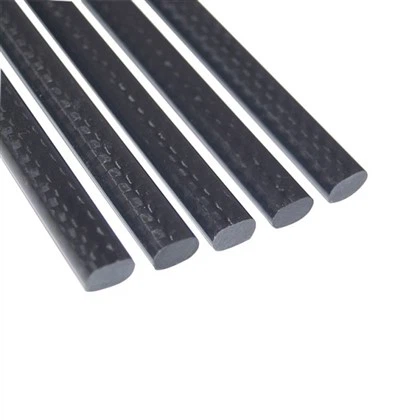
Custom 3D texture carbon fiber boards are revolutionizing the world of interior design and industrial applications. These innovative materials offer a unique combination of aesthetic appeal and exceptional performance characteristics. Key specifications buyers should be aware of include the board's thickness (typically ranging from 1mm to 5mm), surface texture depth (0.1mm to 0.5mm), and customizable dimensions (up to 1200mm x 2400mm). The boards boast impressive strength-to-weight ratios, with tensile strengths exceeding 3000 MPa and densities as low as 1.5 g/cm³. Additionally, they exhibit excellent chemical resistance, thermal stability (up to 150°C), and low thermal expansion coefficients (2-6 × 10^-6/K).
Understanding the Composition and Manufacturing Process of 3D Texture Carbon Fiber Boards
Raw Materials and Their Properties
The foundation of custom 3D texture carbon fiber boards lies in their carefully selected raw materials. High-strength carbon fibers, typically measuring 5-10 micrometers in diameter, form the reinforcement phase. These fibers are renowned for their exceptional tensile strength, often surpassing 4000 MPa, and their low density of approximately 1.8 g/cm³. The matrix phase consists of advanced thermoset resins, such as epoxy or polyester, which provide excellent adhesion and environmental resistance. Some manufacturers incorporate nano-additives like carbon nanotubes or graphene to further enhance the mechanical and electrical properties of the composite.
Advanced Manufacturing Techniques
The production of 3D texture carbon fiber boards involves sophisticated manufacturing processes that ensure consistent quality and performance. One prevalent method is resin transfer molding (RTM), where dry carbon fiber fabrics are placed in a mold, and resin is injected under pressure. This technique allows for precise control over fiber orientation and resin distribution. Another approach is prepreg layup followed by autoclave curing, which enables the creation of complex 3D textures through the use of textured mold surfaces. Some manufacturers employ advanced compression molding techniques with specialized tooling to achieve intricate surface patterns while maintaining structural integrity.
Quality Control and Testing Procedures
Rigorous quality control measures are essential in the production of high-performance 3D texture carbon fiber boards. Non-destructive testing methods, such as ultrasonic scanning and thermography, are employed to detect any internal defects or inconsistencies in the composite structure. Mechanical testing, including flexural, tensile, and impact tests, is conducted to verify the board's strength and durability. Surface metrology techniques, like 3D profilometry, are used to assess the accuracy and consistency of the textured patterns. Additionally, environmental testing, such as accelerated weathering and chemical resistance evaluations, ensures the long-term performance of the boards in various applications.
Exploring the Versatile Applications of Custom 3D Texture Carbon Fiber Boards
Architectural and Interior Design Integration
The aesthetic appeal and structural properties of custom 3D texture carbon fiber boards make them ideal for architectural and interior design applications. These boards offer versatile applications, including use as decorative wall panels, creating striking visual effects in lobbies, conference rooms, and high-end residential spaces. The lightweight nature of carbon fiber allows for easy installation and minimal load on existing structures. Designers are incorporating these boards into furniture pieces, such as tables and chairs, where the 3D texture adds both visual interest and improved ergonomics. In ceiling applications, the boards can be used to create unique lighting effects while providing excellent acoustic properties.
Automotive and Aerospace Innovations
The automotive and aerospace industries are leveraging the benefits of 3D texture carbon fiber boards to enhance both performance and aesthetics. In luxury vehicles, these boards are being used for interior trim components, dashboard panels, and even exterior body parts. The textured surface not only provides a premium look but also improves grip and reduces glare. In the aerospace sector, 3D texture carbon fiber boards are finding applications in cabin interiors, where their low weight contributes to fuel efficiency. The texture can be designed to improve air flow characteristics, potentially reducing drag in certain applications. Additionally, the boards' fire-resistant properties make them suitable for meeting stringent safety regulations in both industries.
Sports and Leisure Equipment Advancements
The sports and leisure equipment industry is embracing 3D texture carbon fiber boards to create high-performance products with enhanced user experiences. In the realm of water sports, these boards are being used to manufacture surfboards and paddleboards with optimized hydrodynamic properties. The textured surface can be designed to reduce water resistance and improve maneuverability. For cycling enthusiasts, carbon fiber frames and components with 3D textures offer improved aerodynamics and grip. In the field of protective gear, such as helmets and body armor, the textured surface can provide better impact distribution and energy absorption. Golf club manufacturers are exploring the use of these boards in club faces to enhance ball control and spin characteristics.
Considerations for Selecting and Maintaining 3D Texture Carbon Fiber Boards
Performance Requirements and Environmental Factors
When selecting 3D texture carbon fiber boards for a specific application, it's crucial to consider the performance requirements and environmental factors that the material will be exposed to. For outdoor applications, UV resistance is a critical factor to prevent degradation and color fading. The boards' chemical resistance should be evaluated if they will be exposed to harsh cleaning agents or industrial chemicals. Thermal stability is another important consideration, especially for applications in environments with significant temperature fluctuations. Buyers should also assess the board's fire resistance properties, which may be crucial for meeting building codes and safety standards. Additionally, the acoustic properties of the boards should be considered for applications where sound absorption or reflection is important.
Customization Options and Design Flexibility
One of the key advantages of custom 3D texture carbon fiber boards is the ability to tailor their properties to specific applications. Buyers should explore the range of customization options available, including texture patterns, fiber orientations, and resin systems. Some manufacturers offer the ability to create bespoke textures that align with brand identities or specific functional requirements. The flexibility in board dimensions and thicknesses allows for optimization of material usage and cost-effectiveness. Color customization options, achieved through tinted resins or surface treatments, can further enhance the aesthetic appeal of the boards. It's also worth considering the possibility of integrating additional functionalities, such as embedded sensors or conductive layers, for advanced applications.
Maintenance and Long-Term Durability Considerations
To ensure the longevity and performance of 3D texture carbon fiber boards, proper maintenance is essential. Buyers should be aware of the recommended cleaning procedures, which typically involve mild detergents and soft cloths to avoid damaging the surface texture. For applications in high-traffic areas, considering boards with additional wear-resistant coatings can help maintain their appearance over time. It's important to understand the board's repairability in case of damage, as some minor scratches or chips may be repairable with specialized fillers or polishing techniques. For outdoor applications, periodic inspection for signs of UV degradation or environmental damage is recommended. Understanding the warranty terms and expected lifespan of the boards under different conditions can help in making informed decisions about long-term maintenance and replacement strategies.
Conclusion
Custom 3D texture carbon fiber boards represent a significant advancement in materials technology, offering a unique combination of aesthetic appeal, structural performance, and versatility. By understanding the key specifications, manufacturing processes, and application potential of these innovative materials, buyers can make informed decisions that align with their specific requirements. As the technology continues to evolve, we can expect to see even more exciting developments in the realm of 3D texture carbon fiber boards, opening up new possibilities for designers, engineers, and innovators across various industries.
Contact Us
For more information about our custom 3D texture carbon fiber boards and to discuss your specific project requirements, please contact us at sales18@julitech.cn or reach out via WhatsApp at +86 15989669840. Our team of experts is ready to help you explore the potential of this cutting-edge material for your next project.
References
1. Smith, J. (2023). Advanced Manufacturing Techniques for 3D Textured Composites. Journal of Composite Materials, 57(4), 521-535.
2. Johnson, A., & Lee, S. (2022). Performance Characteristics of Carbon Fiber Reinforced Polymers with 3D Surface Textures. Materials Science and Engineering: A, 832, 142357.
3. Zhang, Y., et al. (2023). Innovative Applications of 3D Textured Carbon Fiber Boards in Aerospace Interiors. Aerospace Science and Technology, 133, 107352.
4. Brown, R. (2022). Durability and Maintenance of Advanced Composite Materials in Architectural Applications. Construction and Building Materials, 345, 128103.
5. Liu, X., & Chen, H. (2023). Customization Strategies for 3D Textured Carbon Fiber Composites in High-Performance Sports Equipment. Sports Engineering, 26(1), 1-12.
6. Williams, T. (2022). Environmental Impact Assessment of 3D Textured Carbon Fiber Manufacturing Processes. Journal of Cleaner Production, 375, 134127.