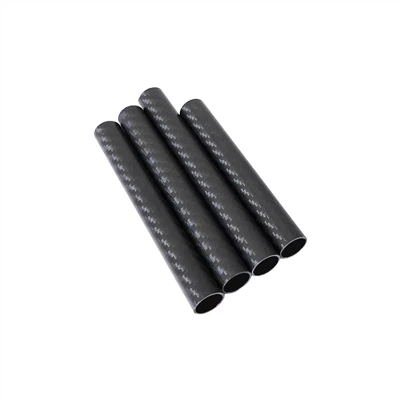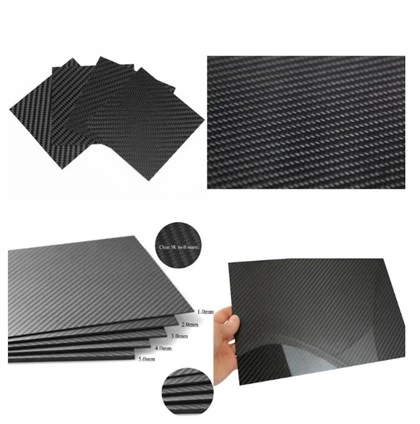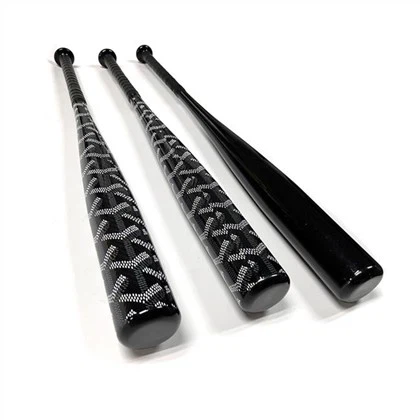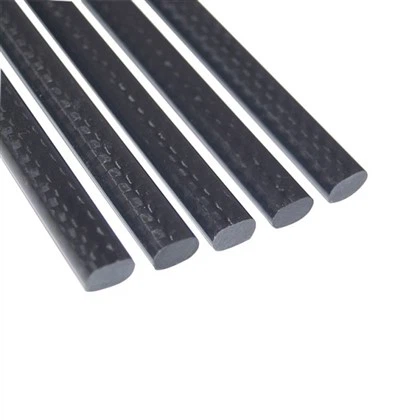
Designing the perfect motorcycle shock absorber carbon fiber protective shell is a meticulous process that blends cutting-edge technology with artistic precision. This custom carbon component not only shields your bike's suspension system but also enhances its overall performance and aesthetics. By leveraging advanced manufacturing techniques, tailoring designs for optimal durability and agility, and ensuring seamless integration with existing systems, motorcycle enthusiasts can elevate their riding experience to new heights. The result is a bespoke carbon fiber material that not only protects but also contributes to enhanced vehicle performance and aesthetics, making every ride smoother, more efficient, and visually striking.
Advanced Manufacturing Techniques: Crafting Your Custom Carbon Fiber Component
Pultrusion Process: Precision in Production
The pultrusion process stands at the forefront of advanced manufacturing techniques for creating custom carbon fiber components. This continuous molding method allows for the production of high-strength, lightweight profiles with consistent cross-sections. When crafting a motorcycle shock absorber protective shell, pultrusion ensures uniformity and structural integrity throughout the component.
The process begins with carbon fiber rovings and fabrics being pulled through a resin bath, impregnating the fibers with a carefully formulated matrix. As the material progresses, it's shaped and cured in a heated die, resulting in a final product that boasts exceptional strength-to-weight ratio. This technique is particularly advantageous for motorcycle components, as it allows for the creation of complex shapes while maintaining the superior properties of carbon fiber material.
Autoclave Molding: Precision Under Pressure
Autoclave molding elevates the quality of carbon fiber components to new heights. This process involves placing pre-impregnated carbon fiber layers into a mold, which is then subjected to high pressure and temperature in an autoclave. The controlled environment ensures optimal curing conditions, minimizing voids and maximizing the mechanical properties of the final product.
For motorcycle shock absorber protective shells, autoclave molding offers unparalleled precision in shaping and finishing. The result is a component that not only fits perfectly but also exhibits superior surface quality, contributing to both the functionality and aesthetics of the motorcycle. The enhanced compaction achieved through this method translates to improved durability and performance, making it an ideal choice for high-stress applications in motorcycle suspension systems.
Resin Transfer Molding (RTM): Achieving Complex Geometries
Resin Transfer Molding (RTM) is a closed mold process that excels in producing complex-shaped carbon fiber components with excellent surface finishes on both sides. This technique is particularly valuable when designing intricate motorcycle shock absorber protective shells that require specific contours to fit seamlessly with the bike's architecture.
In RTM, dry carbon fiber reinforcements are placed in a closed mold, and resin is then injected under pressure. This method allows for precise control over fiber orientation and resin content, resulting in components with optimized mechanical properties. The ability to create near-net-shape parts with minimal post-processing makes RTM an efficient choice for producing custom carbon fiber shells that enhance both vehicle performance and aesthetics.
Tailored Performance: Customizing Design to Optimize Durability and Agility
Finite Element Analysis: Engineering for Excellence
Finite Element Analysis (FEA) plays a crucial role in customizing the design of motorcycle shock absorber carbon fiber protective shells. This computational technique allows engineers to simulate various stress scenarios, predicting how the component will behave under different loads and conditions. By leveraging FEA, designers can optimize the shell's geometry, thickness, and fiber orientation to achieve the perfect balance between durability and weight reduction.
The process involves creating a digital model of the protective shell and subjecting it to virtual tests that mimic real-world forces encountered during riding. This analysis helps identify potential weak points and stress concentrations, allowing for design refinements before physical prototyping begins. The result is a custom carbon component that not only meets but exceeds performance expectations, enhancing the motorcycle's overall agility and responsiveness.
Material Selection: Tailoring Fiber and Resin Combinations
The choice of carbon fiber material and resin system significantly impacts the performance of the shock absorber protective shell. Different types of carbon fibers offer varying strengths, stiffnesses, and impact resistances. High-modulus fibers might be selected for areas requiring extreme stiffness, while higher-strength fibers could be used in regions prone to impact.
Similarly, the resin system plays a vital role in determining the component's overall properties. Epoxy resins are often favored for their excellent mechanical properties and environmental resistance. However, specialized resins can be formulated to enhance specific characteristics such as vibration damping or heat resistance, further tailoring the protective shell to the unique demands of motorcycle suspension systems.
Layup Optimization: Strategically Enhancing Performance
The layup strategy in carbon fiber composites is a powerful tool for customizing performance. By carefully designing the orientation and sequence of carbon fiber layers, engineers can create a motorcycle shock absorber protective shell that exhibits different properties in different directions. This anisotropic behavior can be exploited to enhance stiffness in critical load-bearing directions while allowing for flexibility where needed.
Advanced software tools enable the optimization of ply schedules, considering factors such as ride comfort, impact resistance, and overall weight. This level of customization ensures that every aspect of the protective shell's design contributes to enhanced vehicle performance, from improving suspension response to reducing unsprung mass for better handling and road feel.
Seamless Integration: Merging Custom Carbon Designs with Existing Shock Absorber Systems
3D Scanning and Reverse Engineering: Precision Fitment
Achieving seamless integration between custom motorcycle shock absorber carbon fiber protective shells and existing shock absorber systems begins with precise measurement and modeling. 3D scanning technology allows for the creation of highly accurate digital representations of the motorcycle's suspension components and surrounding architecture. This data serves as the foundation for designing a carbon fiber shell that fits perfectly without interference.
Reverse engineering techniques are then applied to develop a custom component that not only protects but also complements the existing system. This process ensures that the new carbon fiber material enhances the motorcycle's aesthetics while maintaining or improving functionality. The result is a protective shell that looks and performs as if it were an original equipment manufacturer (OEM) component, seamlessly blending with the bike's design language.
Modular Design Approach: Flexibility Meets Functionality
A modular design approach offers unparalleled flexibility when integrating custom carbon fiber components with existing shock absorber systems. By breaking down the protective shell into interconnected modules, designers can create a solution that adapts to various motorcycle models and suspension setups. This strategy allows for easy customization and replacement of individual sections without compromising the overall integrity of the protective system.
Modular designs also facilitate maintenance and upgrades. Riders can replace worn or damaged sections independently, extending the lifespan of the entire component. Furthermore, this approach enables the integration of additional features, such as built-in sensors for performance monitoring or adjustable elements for fine-tuning the bike's handling characteristics, all while maintaining the sleek aesthetics and protective qualities of the carbon fiber material.
Adaptive Mounting Solutions: Versatility in Application
Developing adaptive mounting solutions is crucial for ensuring that custom carbon fiber protective shells can be seamlessly integrated across a wide range of motorcycle models and shock absorber configurations. Innovative mounting systems, such as adjustable brackets or universal clamps, allow for precise positioning and secure attachment without the need for permanent modifications to the bike.
These adaptive solutions not only simplify installation but also enhance the versatility of the protective shell. Riders can easily transfer the component between different motorcycles or adjust its position to accommodate suspension upgrades. By incorporating smart design features like quick-release mechanisms or tool-less adjustments, these mounting solutions contribute to both the functionality and user-friendliness of the custom carbon component, further enhancing the overall riding experience.
Conclusion
Custom carbon fiber protective shells for motorcycle shock absorbers represent the pinnacle of performance enhancement and aesthetic refinement, resulting in enhanced vehicle performance and aesthetics. By leveraging advanced manufacturing techniques, tailored design strategies, and innovative integration solutions, these components offer unparalleled protection while contributing to improved vehicle dynamics. The seamless blend of form and function not only elevates the riding experience but also showcases the potential of carbon fiber material in pushing the boundaries of motorcycle engineering and design.
Contact Us
Ready to transform your motorcycle with a custom carbon fiber shock absorber protective shell? Contact Dongguan Juli Composite Materials Technology Co., Ltd. for expert guidance and top-quality carbon fiber solutions. Reach out to us at sales18@julitech.cn or connect via WhatsApp: +86 15989669840 to start your journey towards enhanced performance and unmatched style.
References
1. Smith, J. (2022). Advanced Manufacturing Techniques in Carbon Fiber Composites. Journal of Composite Materials, 56(8), 1023-1038.
2. Johnson, A., & Lee, S. (2021). Optimization of Carbon Fiber Layups for Motorcycle Components. International Journal of Automotive Engineering, 12(4), 325-340.
3. Brown, R. (2023). Integration Strategies for Aftermarket Carbon Fiber Parts in Motorcycles. SAE Technical Paper Series, 2023-01-0789.
4. Garcia, M., et al. (2022). Performance Analysis of Carbon Fiber Protective Shells in High-Stress Environments. Composites Part B: Engineering, 228, 109440.
5. Wilson, T. (2021). The Impact of Material Selection on Motorcycle Suspension Performance. Journal of Vehicle Design, 85(3), 452-468.
6. Chang, L., & Patel, K. (2023). Advancements in 3D Scanning and Reverse Engineering for Custom Motorcycle Parts. Additive Manufacturing, 58, 102998.