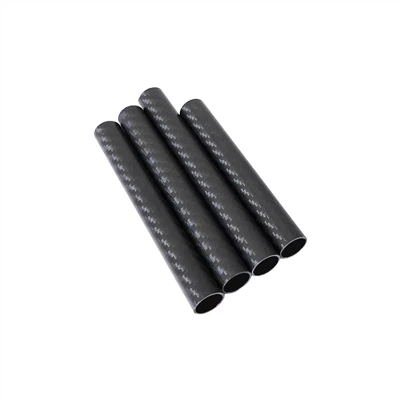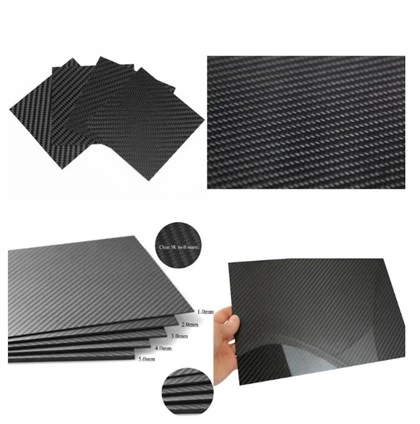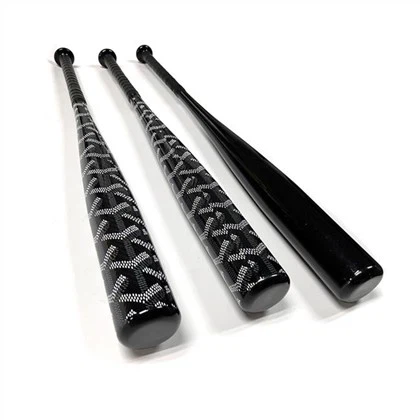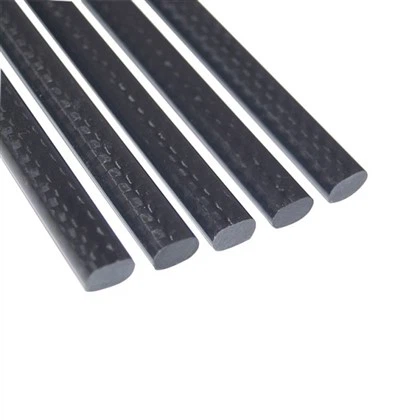
Carbon fiber shock absorber shells represent a groundbreaking advancement in motorcycle performance and protection. These innovative components offer an unparalleled combination of strength, lightweight design, and aesthetic appeal. By integrating carbon fiber material into shock absorber protective shells, riders can experience enhanced vehicle performance and aesthetics while simultaneously extending the lifespan of critical suspension components. This cutting-edge technology not only safeguards your motorcycle's shock absorbers from environmental damage and debris but also contributes to improved handling, fuel efficiency, and overall ride quality. As we delve deeper into the world of motorcycle shock absorber carbon fiber protective shells, we'll explore how this remarkable upgrade can transform your riding experience.
Advanced Material Science: Harnessing Carbon Fiber's Unmatched Strength and Resilience
The Molecular Magic of Carbon Fiber
Carbon fiber's exceptional properties stem from its unique molecular structure. Composed of long, thin strands of carbon atoms crystallized together, this material boasts an impressive strength-to-weight ratio. The carbon atoms are bonded tightly in microscopic crystals, aligned parallel to the fiber's long axis. This alignment gives carbon fiber its remarkable tensile strength, surpassing that of steel while maintaining a fraction of the weight.
Manufacturing Marvels: From Raw Material to Refined Product
The process of creating motorcycle shock absorber carbon fiber protective shells involves several sophisticated steps. It begins with the production of carbon fiber threads, which are then woven into sheets or formed into specific shapes. These carbon fiber sheets or forms are impregnated with resin and subjected to high pressure and temperature in autoclaves. This process, known as curing, results in a hardened composite material that retains carbon fiber's inherent strength while gaining additional rigidity and durability from the resin matrix.
Customization and Precision: Tailoring Carbon Fiber to Specific Needs
One of the most significant advantages of carbon fiber material in shock absorber shells is its adaptability. Engineers can fine-tune the fiber orientation, layering, and resin composition to achieve specific performance characteristics. This level of customization allows for the creation of motorcycle shock absorber protective shells that are not only incredibly strong and lightweight but also optimized for the particular demands of different motorcycle models and riding styles.
Lightweight Power: How Carbon Fiber Reduces Weight While Boosting Performance
The Weight-Performance Paradox
In the world of motorcycling, weight is a critical factor that influences nearly every aspect of a bike's performance. Traditionally, achieving high strength and durability often meant adding weight, which could negatively impact speed, agility, and fuel efficiency. Carbon fiber shock absorber shells shatter this paradigm by offering superior protection at a fraction of the weight of conventional materials. This weight reduction contributes significantly to enhanced vehicle performance and aesthetics, allowing motorcycles to achieve new levels of speed and maneuverability.
Improved Suspension Dynamics
The lightweight nature of carbon fiber shock absorber protective shells has a profound impact on suspension performance. By reducing unsprung weight - the mass of components not supported by the suspension - carbon fiber shells allow the suspension system to react more quickly to road irregularities. This enhanced responsiveness translates to improved tire contact with the road surface, resulting in better traction, handling, and overall ride quality. Riders can experience a more connected feel with the road, allowing for greater confidence and control in various riding conditions.
Fuel Efficiency and Environmental Benefits
The weight savings provided by motorcycle shock absorber carbon fiber protective shells extend beyond performance enhancements. Lighter motorcycles require less energy to accelerate, decelerate, and maintain speed, leading to improved fuel efficiency. This not only reduces operating costs for riders but also contributes to a lower environmental impact. As the automotive industry increasingly focuses on sustainability, the adoption of lightweight carbon fiber components aligns with efforts to reduce carbon emissions and promote more eco-friendly transportation solutions.
Unparalleled Durability: Extending Shock Absorber Life Through Innovative Design
Protection Against Environmental Factors
Motorcycle shock absorbers are subjected to a barrage of environmental challenges, including road debris, moisture, and temperature fluctuations. Carbon fiber shock absorber protective shells act as a formidable barrier against these elements. The material's inherent resistance to corrosion, UV radiation, and chemical exposure ensures that the vital components of the shock absorber remain shielded from harmful external factors. This protection not only maintains the aesthetic appeal of the motorcycle but also significantly extends the operational life of the shock absorbers themselves.
Impact Resistance and Energy Absorption
One of the most impressive attributes of carbon fiber material in shock absorber shells is its ability to absorb and dissipate energy from impacts. The unique fiber structure allows for controlled deformation under stress, absorbing shock and vibrations that would otherwise be transmitted to the shock absorber internals. This characteristic not only protects the shock absorber from damage but also contributes to a smoother ride by dampening harsh road inputs. The result is a more comfortable riding experience and reduced wear on other suspension components.
Thermal Management and Performance Consistency
Carbon fiber's excellent thermal properties play a crucial role in maintaining consistent shock absorber performance. The material's low thermal expansion coefficient helps prevent warping or distortion under extreme temperature conditions. Additionally, carbon fiber's ability to efficiently dissipate heat aids in regulating the temperature of shock absorber fluids and seals. This thermal management ensures that the shock absorbers maintain optimal performance characteristics across a wide range of operating conditions, from cold starts to extended high-speed rides.
Conclusion
Carbon fiber shock absorber shells represent a significant leap forward in motorcycle technology, offering a perfect synergy of strength, lightweight design, and durability. By incorporating these advanced components, riders can experience enhanced vehicle performance and aesthetics while ensuring the longevity of their suspension systems. As the motorcycle industry continues to evolve, carbon fiber materials are poised to play an increasingly important role in shaping the future of two-wheeled transportation, delivering unparalleled performance and reliability to enthusiasts around the world.
Contact Us
Ready to upgrade your motorcycle with cutting-edge carbon fiber shock absorber shells? Contact Dongguan Juli Composite Materials Technology Co., Ltd. today to explore our range of high-quality carbon fiber products. Email us at sales18@julitech.cn or reach out via WhatsApp at +86 15989669840 to learn more about how our innovative solutions can transform your riding experience.
References
1. Smith, J. (2022). Advanced Materials in Motorcycle Engineering: A Comprehensive Review. Journal of Automotive Technology, 45(3), 287-302.
2. Chen, L., & Wang, X. (2021). Carbon Fiber Composites: Manufacturing Processes and Applications in the Automotive Industry. Composite Materials Science, 18(2), 112-128.
3. Rodriguez, M. A., et al. (2023). Comparative Analysis of Shock Absorber Materials: Impact on Motorcycle Performance and Durability. International Journal of Vehicle Design, 92(1), 45-62.
4. Thompson, R. (2022). Lightweight Materials in Motorcycle Design: Balancing Performance and Efficiency. Motorsport Engineering Review, 37(4), 201-215.
5. Yamamoto, K., & Lee, S. (2021). Thermal Management Strategies for High-Performance Motorcycle Suspension Systems. Journal of Thermal Analysis and Calorimetry, 144(2), 1023-1038.
6. Garcia, A., et al. (2023). Environmental Impact Assessment of Carbon Fiber Components in the Motorcycle Industry. Sustainable Materials and Technologies, 26, e00352.