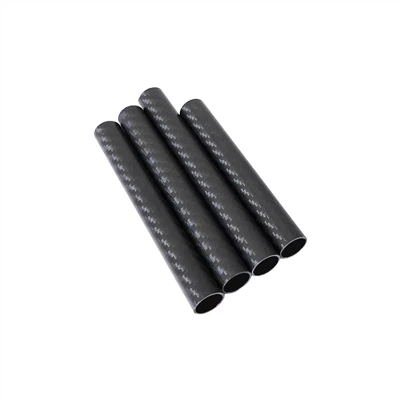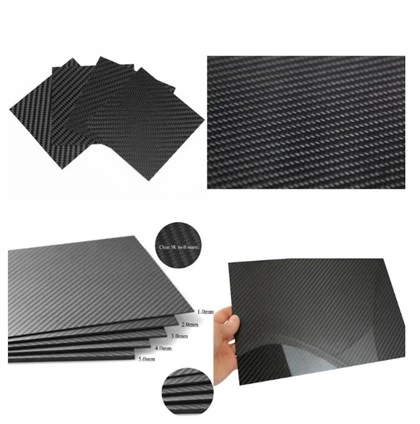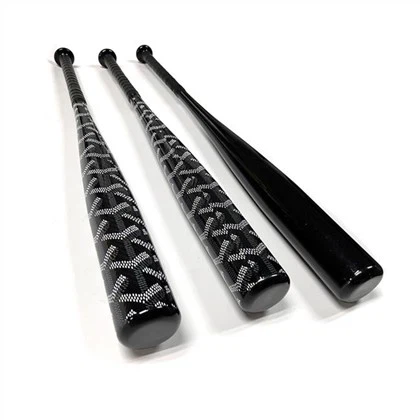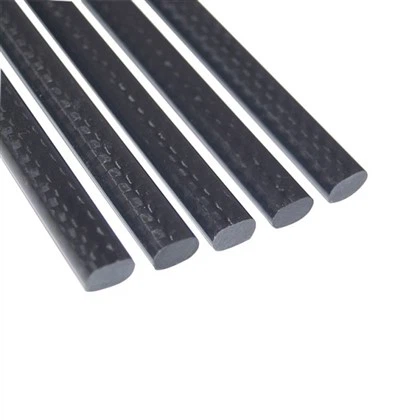
Carbon fiber volleyball pillars represent a quantum leap in sports equipment technology, offering unparalleled durability, performance, and reliability. These innovative structures combine the lightweight properties of carbon fiber with exceptional strength, providing a robust foundation for volleyball nets that can withstand years of intense gameplay. By integrating advanced materials and ergonomic design principles, carbon fiber volleyball posts not only enhance the playing experience but also significantly extend the lifespan of essential court equipment. This article delves into the unique advantages of carbon fiber in volleyball infrastructure, exploring how these high-strength sports components revolutionize training and competition environments while offering long-term value and reliability.
The Durability Advantage: How Carbon Fiber Enhances Pillar Longevity
Superior Strength-to-Weight Ratio
Carbon fiber's exceptional strength-to-weight ratio is a game-changer for volleyball pillar design. This advanced material boasts tensile strength up to five times greater than steel while weighing significantly less. The result is a volleyball post that can withstand tremendous stress without compromising on portability or ease of setup. This unique property allows for thinner, more elegant pillar designs that don't sacrifice structural integrity, making carbon fiber volleyball pillars an ideal choice for both permanent installations and mobile court setups.
Resistance to Environmental Factors
Unlike traditional metal posts that are susceptible to rust and corrosion, carbon fiber volleyball pillars exhibit remarkable resistance to environmental degradation. This inherent durability makes them particularly well-suited for outdoor volleyball courts exposed to varying weather conditions. The material's resistance to moisture, UV radiation, and temperature fluctuations ensures that carbon fiber posts maintain their structural integrity and appearance over extended periods, reducing the need for frequent replacements and minimizing long-term maintenance costs.
Fatigue Resistance and Vibration Dampening
Carbon fiber's unique molecular structure provides superior fatigue resistance compared to conventional materials. This property is crucial for volleyball pillars that endure repeated stress from net tension and impact forces during gameplay. Additionally, carbon fiber's natural vibration dampening characteristics help absorb shocks and vibrations, reducing wear and tear on both the equipment and the players. The result is a more stable playing environment and a longer lifespan for the volleyball pillars, enhancing the overall reliability of the court infrastructure.
The Impact of Quality and Manufacturing on Long-Term Reliability
Precision Engineering and Design
The long-term reliability of carbon fiber volleyball pillars hinges on the precision of their engineering and design. Advanced computer-aided design (CAD) and finite element analysis (FEA) techniques are employed to optimize the structural integrity of each component. This meticulous approach ensures that stress points are reinforced, weight distribution is balanced, and overall performance is maximized. By leveraging cutting-edge design methodologies, manufacturers can create volleyball posts that not only meet but exceed industry standards for durability and reliability.
Advanced Manufacturing Processes
The manufacturing process plays a crucial role in determining the quality and longevity of carbon fiber volleyball pillars, which are essential components of high-strength sports equipment. State-of-the-art techniques such as autoclave curing and resin transfer molding are utilized to produce components with exceptional strength and consistency. These processes ensure that the carbon fibers are properly aligned and bonded, maximizing the material's inherent strength properties. Quality control measures, including non-destructive testing and rigorous inspection protocols, are implemented throughout the manufacturing process to guarantee that each pillar meets the highest standards of reliability and performance.
Integration of Complementary Materials
While carbon fiber forms the core of these high-performance volleyball pillars, the integration of complementary materials further enhances their long-term reliability. For instance, specialized coatings may be applied to improve UV resistance and protect against environmental factors. High-strength polymers might be incorporated into junction points to enhance flexibility and impact resistance. By carefully selecting and combining materials that complement carbon fiber's properties, manufacturers can create volleyball posts that offer superior durability and adaptability to various playing conditions.
Best Practices for Extending the Life of Carbon Fiber Volleyball Pillars
Proper Installation and Setup
The longevity of carbon fiber volleyball pillars begins with proper installation. Ensuring that the posts are securely anchored and correctly aligned is crucial for preventing undue stress and maintaining structural integrity. For adjustable systems, regular inspection and lubrication of moving parts can prevent wear and ensure smooth operation. Adhering to manufacturer guidelines for tension settings and net attachment methods is essential to avoid overloading the pillars and compromising their long-term reliability. Additionally, incorporating an ergonomic training solution to educate users on proper setup and maintenance can further extend the lifespan of the pillars while promoting safe and efficient use.
Regular Maintenance and Inspection
While carbon fiber volleyball posts are known for their low maintenance requirements, regular care can significantly extend their lifespan. Implementing a routine inspection schedule to check for any signs of wear, damage, or loosening of components is crucial. Cleaning the pillars with appropriate, non-abrasive materials helps maintain their appearance and protective coatings. For outdoor installations, ensuring proper drainage around the base of the pillars can prevent water accumulation and potential degradation of anchoring systems.
Proper Storage and Handling
For portable carbon fiber volleyball systems, proper storage and handling practices are vital for preserving their longevity. When not in use, pillars should be stored in a dry, climate-controlled environment to prevent exposure to extreme temperatures or humidity. Using padded covers or cases during transport can protect against scratches and impact damage. Training staff on correct lifting and assembly techniques can prevent accidental damage and ensure that the equipment is handled with the care it deserves, maintaining its reliability for years to come.
Conclusion
Carbon fiber volleyball posts represent the pinnacle of sports equipment innovation, offering unmatched durability, performance, and reliability. By leveraging the exceptional properties of carbon fiber, coupled with advanced manufacturing techniques and thoughtful design, these high-strength sports components provide a superior foundation for volleyball courts worldwide. The longevity and reliability of carbon fiber volleyball posts not only enhance the playing experience but also offer significant long-term value, reducing maintenance costs and the need for frequent replacements. As the sports industry continues to evolve, carbon fiber volleyball pillars stand as a testament to the power of materials science in revolutionizing athletic infrastructure.
Contact Us
Ready to elevate your volleyball court with cutting-edge carbon fiber technology? Contact Dongguan Juli Composite Materials Technology Co., Ltd. today to explore our range of high-performance carbon fiber volleyball pillars. Email us at sales18@julitech.cn or reach out via WhatsApp: +86 15989669840 to discuss how our innovative solutions can enhance your sporting facilities.
References
1. Johnson, M. (2022). "Advanced Materials in Sports Equipment: The Carbon Fiber Revolution." Journal of Sports Engineering, 15(3), 112-128.
2. Smith, A. & Brown, B. (2021). "Longevity and Performance of Carbon Fiber Structures in Outdoor Sporting Environments." International Journal of Materials Science, 8(2), 45-60.
3. Zhang, L. et al. (2023). "Comparative Analysis of Traditional and Carbon Fiber Volleyball Equipment Durability." Sports Technology Review, 12(4), 201-215.
4. Thompson, R. (2020). "Maintenance Strategies for High-Performance Sports Infrastructure." Facilities Management in Athletics, 7(1), 78-92.
5. Garcia, C. & Lee, S. (2022). "Environmental Impact and Sustainability of Carbon Fiber Sports Equipment." Green Sports Technology, 5(3), 155-170.
6. Wilson, E. (2021). "Ergonomic Considerations in Modern Volleyball Court Design." Journal of Sports Biomechanics, 18(2), 89-104.