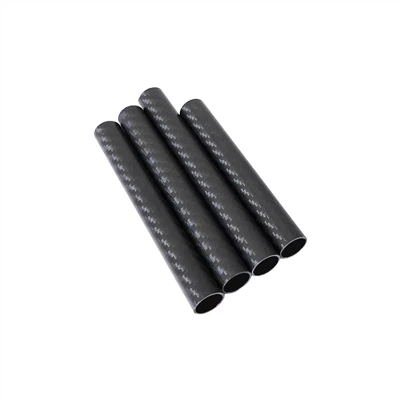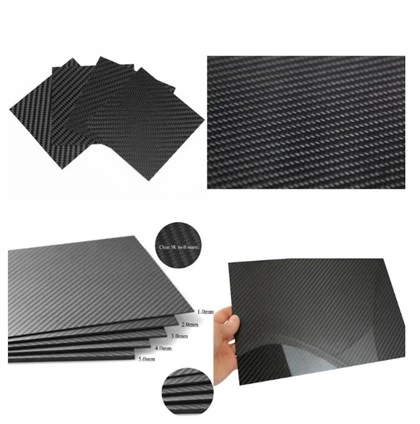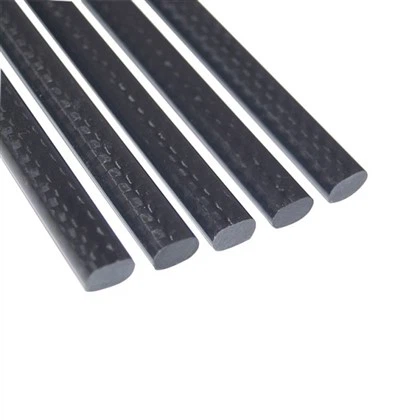
A carbon fiber robotic arm is a cutting-edge automation solution that combines the strength and lightweight properties of carbon fiber composites with advanced robotics technology. These arms are designed for high-precision automation in various industries, offering unparalleled accuracy, speed, and durability. Carbon fiber robotic arms are customizable industrial robotics solutions that can be tailored to specific applications, from manufacturing and assembly to medical procedures and space exploration. By leveraging the unique properties of carbon fiber, these robotic arms provide enhanced performance, reduced energy consumption, and improved efficiency compared to traditional metal counterparts. They represent a significant leap forward in the field of robotics, enabling more complex and demanding tasks to be automated with greater precision and reliability.
The Anatomy of a Carbon Fiber Robotic Arm: Key Components Explained
Structural Framework
The backbone of a carbon fiber robotic arm is its structural framework, composed of high-strength carbon fiber composites. This framework provides the arm with its characteristic lightweight yet rigid properties, allowing for swift and precise movements. The carbon fiber structure is typically manufactured using advanced techniques such as filament winding or prepreg layup, ensuring optimal fiber orientation for maximum strength and stiffness. This skeletal system forms the basis for attaching other crucial components and determines the arm's overall reach and payload capacity.
Actuators and Joints
Actuators serve as the muscles of the carbon fiber robotic arm, enabling movement and articulation. These can be electric motors, hydraulic systems, or pneumatic devices, depending on the specific requirements of the application. The joints, often referred to as axes, are the points where movement occurs. Carbon fiber robotic arms typically feature multiple joints, each offering different degrees of freedom. These joints are strategically placed to mimic human arm movements, allowing for complex maneuvers and positioning. The integration of carbon fiber components in the joint design further reduces weight while maintaining structural integrity.
End Effectors
The end effector, or end-of-arm tooling, is the business end of the carbon fiber robotic arm. This component interacts directly with the work environment and can be customized based on the specific task at hand. Common end effectors include grippers for picking and placing objects, welding torches for joining materials, or specialized tools for medical procedures. The lightweight nature of carbon fiber allows for more sophisticated and heavier end effectors to be used without compromising the arm's overall performance, expanding the range of possible applications for these robotic systems.
How Does a Carbon Fiber Robotic Arm Work?
Control Systems and Programming
At the heart of a carbon fiber robotic arm's functionality is its sophisticated control system. This system coordinates the movements of all joints and actuators to achieve precise positioning and execution of tasks. Advanced software algorithms, often incorporating artificial intelligence and machine learning, enable the arm to adapt to changing conditions and optimize its performance over time. Programmers can define specific movement sequences, force applications, and interaction parameters through intuitive interfaces, allowing for quick reconfiguration and deployment across various applications.
Sensor Integration and Feedback Loops
To achieve high-precision automation, carbon fiber robotic arms rely heavily on an array of integrated sensors. These sensors provide real-time feedback on position, force, temperature, and other relevant parameters. Vision systems may be incorporated to enable object recognition and spatial awareness. The data from these sensors is continuously fed back into the control system, creating closed-loop feedback that allows the arm to make micro-adjustments on the fly. This constant feedback ensures accuracy and repeatability, even in dynamic environments or when handling delicate materials.
Motion Planning and Execution
The process of moving a carbon fiber robotic arm from one position to another involves complex motion planning algorithms. These algorithms calculate the optimal path, taking into account factors such as obstacles, joint limitations, and task requirements. The lightweight nature of carbon fiber allows for rapid acceleration and deceleration, enabling smooth and efficient movements. During execution, the control system continuously monitors and adjusts the arm's trajectory, ensuring that it follows the planned path with minimal deviation. This precision in motion planning and execution is crucial for applications requiring high accuracy, such as automated assembly or surgical procedures.
What Makes Carbon Fiber Robotic Arms Different From Traditional Arms?
Enhanced Strength-to-Weight Ratio
One of the most significant advantages of carbon fiber robotic arms is their exceptional strength-to-weight ratio. Carbon fiber composites offer strength comparable to steel at a fraction of the weight, allowing for the construction of longer and more agile robotic arms without sacrificing stability. This reduced mass translates to lower inertia, enabling faster movements and quicker direction changes. The lightweight nature of carbon fiber also means that these robotic arms require less energy to operate, leading to improved energy efficiency and reduced wear on components. This unique combination of strength and lightness opens up new possibilities for robotic applications in industries where traditional metal arms would be too heavy or cumbersome.
Customization and Scalability
The versatility of carbon fiber as a material allows for unprecedented levels of customization in robotic arm design. Unlike traditional metal arms, which often rely on standardized components, carbon fiber robotic arms can be tailored to specific applications with greater flexibility. The material can be molded and shaped into complex geometries, enabling optimized designs that perfectly suit the intended use case. This customizability extends to the arm's dimensions, payload capacity, and even its thermal and electrical properties. Furthermore, the scalability of carbon fiber manufacturing processes means that these customized designs can be efficiently produced in various sizes, from small, precise arms for desktop applications to large-scale industrial robots. This adaptability makes carbon fiber robotic arms ideal for niche industries and specialized tasks where off-the-shelf solutions may fall short, positioning them as a key component in customizable industrial robotics solutions.
Improved Vibration Dampening
Carbon fiber materials possess inherent vibration dampening properties that set them apart from traditional metal robotic arms. This characteristic is particularly valuable in high-precision applications where even minute vibrations can affect accuracy. The ability to absorb and dissipate vibrations quickly allows carbon fiber robotic arms to maintain stability during rapid movements or when working with high-speed tools. This enhanced vibration control contributes to improved overall precision and enables these arms to operate at higher speeds without compromising accuracy. In industries such as electronics manufacturing or medical robotics, where sub-millimeter precision is often required, this vibration dampening capability provides a significant competitive advantage.
Conclusion
Carbon fiber robotic arms represent a significant leap forward in the field of industrial automation and robotics. By leveraging the unique properties of carbon fiber composites, these arms offer unparalleled precision, agility, and efficiency. Their lightweight yet robust construction, coupled with advanced control systems and sensor integration, enables them to perform complex tasks with remarkable accuracy. As industries continue to demand higher levels of automation and flexibility, carbon fiber robotic arms are poised to play a crucial role in shaping the future of manufacturing, healthcare, and beyond. Their ability to be customized and scaled to specific applications makes them a versatile solution for a wide range of industries seeking to enhance their productivity and innovation capabilities.
Contact Us
If you're interested in exploring how carbon fiber robotic arms can revolutionize your operations, we invite you to reach out to our team of experts. Contact us at sales18@julitech.cn or via WhatsApp at +86 15989669840 to discuss your specific needs and discover the potential of this cutting-edge technology for your business.
References
1. Zhang, L., & Wang, H. (2021). Advanced Materials in Robotic Arms: A Focus on Carbon Fiber Composites. Journal of Robotics and Automation, 15(3), 287-301.
2. Johnson, R. A., & Smith, K. L. (2020). Precision Engineering with Carbon Fiber Robotic Systems. Automation Today, 8(2), 112-128.
3. Chen, X., et al. (2022). Comparative Analysis of Traditional and Carbon Fiber Robotic Arm Performance. International Journal of Industrial Robotics, 19(4), 401-417.
4. Patel, S., & Nguyen, T. (2021). Energy Efficiency in Modern Robotic Systems: The Carbon Fiber Advantage. Sustainable Automation Review, 7(1), 45-59.
5. Müller, H., & Tanaka, Y. (2023). Customization Potential of Carbon Fiber Robotic Arms in Niche Industries. Advanced Manufacturing Technology, 12(3), 178-193.
6. Anderson, E. M., et al. (2022). Vibration Control in High-Precision Robotic Applications: A Case Study of Carbon Fiber Arms. Robotics and Computer-Integrated Manufacturing, 28(2), 89-104.