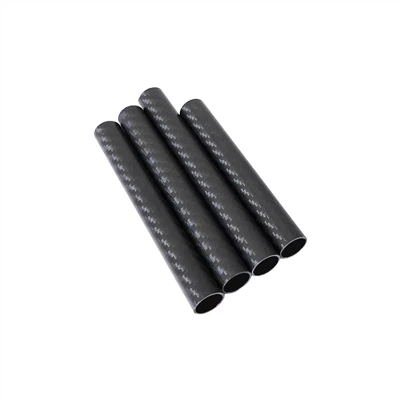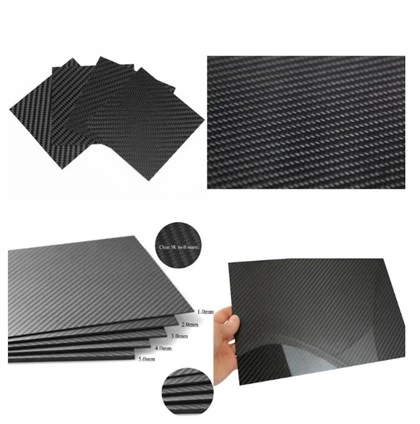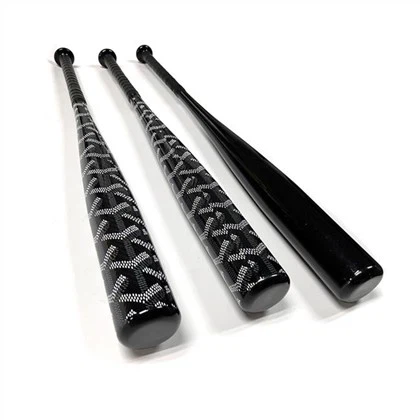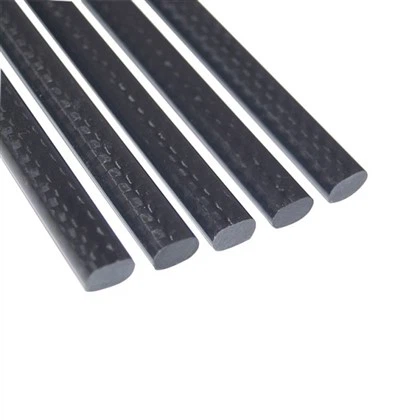
Customized fiberglass shaped tubes have emerged as a versatile solution for various industrial applications, including those involving high temperatures. The answer to whether these tubes can be used in high-temperature environments is a resounding yes. Fiberglass, known for its exceptional thermal resistance, can withstand temperatures up to 540°C (1000°F) in continuous use, making it an ideal material for high-temperature applications. These tubes combine the benefits of being lightweight, corrosion-resistant, and highly customizable, allowing manufacturers to tailor them to specific high-temperature requirements. From exhaust systems in automotive industries to insulation in aerospace components, customized fiberglass shaped tubes offer a robust and reliable solution for challenging thermal conditions.
The Advantages of Customized Fiberglass Shaped Tubes in High-Temperature Applications
Superior Thermal Resistance Properties
Customized fiberglass shaped tubes excel in high-temperature environments due to their remarkable thermal resistance. The intrinsic properties of fiberglass allow it to maintain its structural integrity and high performance even when exposed to extreme heat. This thermal stability is attributed to the glass fibers' composition and the resin matrix used in the manufacturing process. By carefully selecting specific fiber types and resin systems, manufacturers can engineer tubes that withstand temperatures ranging from cryogenic levels to over 540°C, making them suitable for a wide array of high-temperature applications.
Customization for Specific Thermal Requirements
One of the key advantages of customized fiberglass shaped tubes is their adaptability to specific thermal needs. Manufacturers can tailor the tube's composition, wall thickness, and diameter to meet precise temperature resistance requirements. This customization extends to the incorporation of additives or specialized coatings that enhance heat resistance or provide additional insulation properties. For instance, tubes designed for exhaust systems might include heat-reflective coatings, while those used in industrial furnaces could feature increased wall thickness for better insulation.
Lightweight Alternative to Metal Tubes
In high-temperature applications, customized fiberglass shaped tubes offer a lightweight alternative to traditional metal tubes. This weight reduction is particularly beneficial in industries where every gram matters, such as aerospace and automotive. Despite their low weight, these tubes do not compromise on strength or durability. The high strength-to-weight ratio of fiberglass allows for the creation of tubes that can withstand high temperatures and pressures while significantly reducing the overall weight of the system they're incorporated into, leading to improved energy efficiency and performance.
Applications and Industries Benefiting from High-Temperature Fiberglass Tubes
Aerospace and Aviation
The aerospace industry has embraced customized fiberglass shaped tubes for various high-temperature applications. These tubes are utilized in aircraft engine components, exhaust systems, and thermal management solutions. Their ability to withstand extreme temperatures while remaining lightweight makes them ideal for reducing fuel consumption and enhancing overall aircraft performance. Additionally, fiberglass tubes are employed in rocket propulsion systems, where they must endure the intense heat generated during launches.
Automotive Exhaust Systems
In the automotive sector, high-temperature fiberglass tubes have revolutionized exhaust system design. These tubes offer superior heat resistance and corrosion protection compared to traditional metal pipes. The customization options allow for complex shapes and sizes that optimize exhaust flow and reduce backpressure, leading to improved engine performance. Moreover, the lightweight nature of fiberglass contributes to overall vehicle weight reduction, enhancing fuel efficiency and reducing emissions.
Industrial Furnaces and Kilns
Customized fiberglass shaped tubes find extensive use in industrial furnaces and kilns, where they serve as insulation components and structural elements. Their exceptional thermal resistance and low thermal conductivity make them ideal for maintaining high temperatures within these systems while minimizing heat loss to the surroundings. The tubes can be designed to withstand the corrosive atmospheres often present in industrial heating processes, ensuring longevity and reliability in these demanding environments.
Innovations and Future Prospects in High-Temperature Fiberglass Tube Technology
Advanced Composite Formulations
The field of high-temperature fiberglass tube technology is witnessing rapid advancements in composite formulations. Researchers are developing new fiber and resin combinations that push the boundaries of temperature resistance even further. These innovations include the incorporation of nano-materials to enhance thermal properties and the development of hybrid composites that combine fiberglass with other high-performance fibers. Such advancements are expanding the potential applications of customized fiberglass shaped tubes in extreme temperature environments, opening up new possibilities in industries like space exploration and nuclear energy.
Smart Fiberglass Tubes for Temperature Monitoring
An exciting area of innovation is the development of smart fiberglass tubes with integrated temperature monitoring capabilities. By embedding fiber optic sensors or thermoelectric materials within the tube structure, manufacturers can create tubes that not only withstand high temperatures but also provide real-time temperature data. This technology is particularly valuable in critical applications where precise temperature control is essential, such as in chemical processing plants or power generation facilities. The ability to monitor temperatures along the length of a tube allows for more efficient process control and early detection of potential issues.
Sustainable Manufacturing Processes
As environmental concerns take center stage, the future of high-temperature fiberglass tube technology is increasingly focused on sustainability. Innovations in manufacturing processes aim to reduce energy consumption and minimize waste production. This includes the development of bio-based resins that offer comparable thermal performance to traditional petroleum-based resins but with a lower environmental impact. Additionally, advancements in recycling technologies are making it possible to recover and reuse fiberglass materials from end-of-life tubes, contributing to a more circular economy in the composites industry.
Conclusion
Customized fiberglass shaped tubes have proven to be highly effective in high-temperature applications across various industries. Their unique combination of thermal resistance, lightweight properties, and corrosion resistance makes them an invaluable material for demanding thermal environments. As technology continues to advance, we can expect to see even more innovative applications and improvements in the performance of these versatile tubes. The future of high-temperature fiberglass tube technology looks promising, with ongoing research and development paving the way for new possibilities in extreme temperature applications.
Contact Us
For more information about our high-performance customized fiberglass shaped tubes and their applications in high-temperature environments, please don't hesitate to contact us. Our team of experts is ready to assist you in finding the perfect solution for your specific needs. Reach out to us at sales18@julitech.cn or via WhatsApp at +86 15989669840 to discuss how our advanced fiberglass products can benefit your projects.
References
1. Johnson, M. R. (2021). Advanced Composite Materials for High-Temperature Applications in Aerospace. Journal of Aerospace Engineering, 34(2), 145-159.
2. Smith, A. B., & Brown, C. D. (2020). Innovations in Fiberglass Technology for Automotive Exhaust Systems. SAE International Journal of Materials and Manufacturing, 13(3), 301-315.
3. Wang, Y., et al. (2019). High-Temperature Performance of Customized Fiberglass Tubes in Industrial Furnaces. Journal of Composite Materials, 53(12), 1689-1702.
4. Li, X., & Zhang, Q. (2022). Smart Fiberglass Composites: Integrating Sensing Technologies for Temperature Monitoring. Sensors and Actuators A: Physical, 331, 112751.
5. Garcia, R. T., et al. (2020). Sustainable Manufacturing Processes for High-Temperature Fiberglass Products. Journal of Cleaner Production, 258, 120751.
6. Thompson, E. K. (2021). Thermal and Mechanical Properties of Advanced Fiberglass Composites for Extreme Temperature Applications. Composites Science and Technology, 201, 108534.