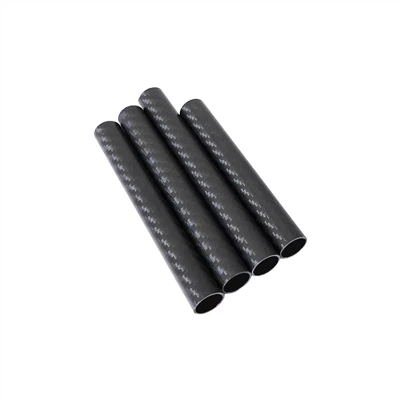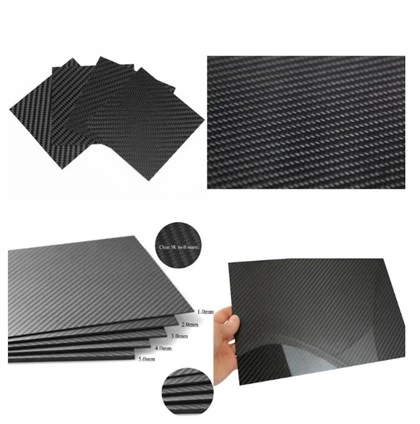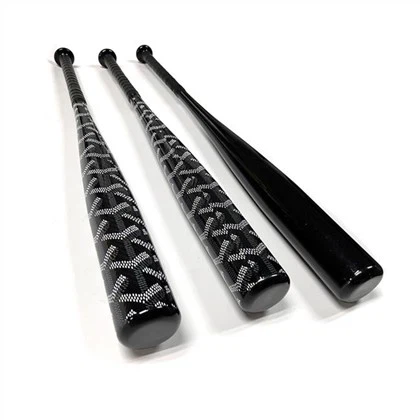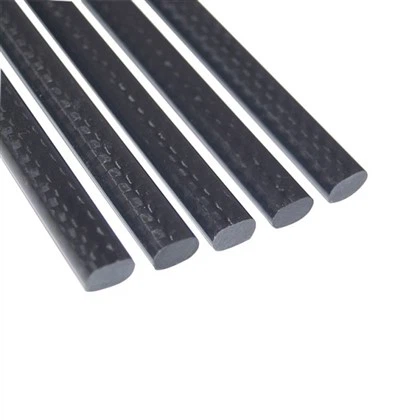
Customized carbon fiber auto cover parts have proven to be remarkably resilient in the face of extreme weather conditions. These innovative components, crafted from lightweight yet durable carbon fiber materials, exhibit exceptional resistance to temperature fluctuations, UV radiation, and moisture exposure. The inherent properties of carbon fiber, including its high strength-to-weight ratio and chemical stability, contribute to its ability to maintain structural integrity and appearance even in harsh environments. Whether subjected to scorching heat, freezing temperatures, or heavy precipitation, carbon fiber car covers and related parts demonstrate superior performance compared to traditional materials. This resilience not only enhances the longevity of automotive components but also ensures consistent protection and aesthetics for vehicles exposed to diverse climatic challenges.
The Durability of Carbon Fiber in Automotive Applications
Understanding Carbon Fiber Composition
Carbon fiber, a revolutionary material in the automotive industry, is composed of thin, strong crystalline filaments of carbon. These filaments, thinner than a human hair, are woven together to create a fabric-like material that can be molded into various shapes. The resulting product boasts an impressive strength-to-weight ratio, surpassing that of steel while weighing significantly less. This unique composition is what makes carbon fiber an ideal choice for customized auto cover parts.
The molecular structure of carbon fiber contributes to its exceptional durability. The strong covalent bonds between carbon atoms in the fiber's lattice structure provide resistance to chemical degradation and physical stress. This intrinsic strength at the molecular level translates to macro-level durability, enabling customized carbon fiber auto cover parts to withstand the rigors of extreme weather conditions without compromising their structural integrity or aesthetic appeal.
Heat Resistance Properties
One of the most notable characteristics of carbon fiber is its remarkable heat resistance. Unlike many traditional automotive materials, carbon fiber maintains its strength and shape even when exposed to high temperatures. This property is particularly valuable for exterior auto parts that are constantly subjected to direct sunlight and engine heat.
The thermal stability of carbon fiber stems from its high melting point and low thermal expansion coefficient. These properties ensure that customized carbon fiber auto cover parts remain dimensionally stable across a wide range of temperatures, preventing warping or distortion that could compromise the vehicle's aerodynamics or aesthetics. Moreover, the material's low thermal conductivity helps insulate the vehicle's interior from external heat, contributing to improved comfort and energy efficiency.
Resistance to Moisture and Corrosion
Another significant advantage of carbon fiber in automotive applications is its inherent resistance to moisture and corrosion. Unlike metal components that are prone to rusting or oxidation when exposed to water or humid conditions, carbon fiber remains largely unaffected by moisture. This characteristic is particularly beneficial for vehicles operating in coastal areas or regions with high humidity levels.
The hydrophobic nature of carbon fiber helps repel water, preventing moisture absorption that could lead to material degradation over time. Additionally, the chemical inertness of carbon fiber makes it resistant to various corrosive substances, including road salts and industrial pollutants. This resistance to corrosion ensures that customized carbon fiber auto cover parts maintain their structural integrity and appearance even in harsh environmental conditions, contributing to the longevity and value retention of the vehicle.
Customization and Performance Enhancement
Tailoring Carbon Fiber Components for Specific Vehicles
The versatility of carbon fiber allows for unprecedented levels of customization in automotive design. Manufacturers can create bespoke carbon fiber car covers and other exterior components that perfectly match the contours and specifications of individual vehicle models. This level of customization not only enhances the aesthetic appeal but also optimizes the functional aspects of the components.
Advanced manufacturing techniques, such as computer-aided design (CAD) and 3D printing, enable precise tailoring of carbon fiber parts. These methods allow for the creation of complex geometries and intricate designs that would be difficult or impossible to achieve with traditional materials. The ability to customize carbon fiber components extends beyond mere aesthetics, allowing engineers to optimize aerodynamics, weight distribution, and structural reinforcement for specific vehicle applications.
Weight Reduction and Fuel Efficiency
One of the primary advantages of using customized carbon fiber auto cover parts is the significant weight reduction they offer compared to traditional materials. The lightweight nature of carbon fiber contributes to improved fuel efficiency and overall vehicle performance. By replacing heavier metal components with carbon fiber alternatives, manufacturers can reduce the total weight of a vehicle without compromising structural integrity or safety.
The weight savings achieved through the use of carbon fiber can have a cascading effect on vehicle design and performance. Lighter vehicles require less energy to accelerate and maintain speed, leading to reduced fuel consumption and lower emissions. Additionally, the reduced weight allows for better handling and maneuverability, enhancing the driving experience and potentially improving safety in critical situations.
Aerodynamic Optimization
Customized carbon fiber auto cover parts play a crucial role in optimizing vehicle aerodynamics. The material's strength and moldability allow designers to create sleek, streamlined shapes that minimize air resistance and improve overall aerodynamic efficiency. From front splitters to rear spoilers, carbon fiber components can be engineered to manage airflow around the vehicle effectively.
The ability to make complex, three-dimensional shapes with carbon fiber enables the integration of useful aerodynamic features into the vehicle's design. These highlights can incorporate air channels, vortex generators, and diffusers that work together to diminish drag and improve solidness at high speeds. The precision with which carbon fiber parts can be made guarantees that these aerodynamic elements perform consistently, indeed beneath varying weather conditions and driving scenarios.
Long-term Benefits and Sustainability
Durability and Lifespan of Carbon Fiber Parts
The exceptional durability of carbon fiber translates to a longer lifespan for automotive components. Customized carbon fiber auto cover parts are designed to withstand the rigors of daily use and extreme weather conditions without degrading or losing their structural integrity. This longevity not only provides value to vehicle owners but also contributes to sustainability by reducing the need for frequent replacements.
The resistance of carbon fiber to fatigue, UV radiation, and chemical exposure ensures that parts maintain their performance characteristics over time. Unlike traditional materials that may degrade or corrode, carbon fiber components often retain their original properties throughout the vehicle's lifecycle. This durability can lead to reduced maintenance costs and improved resale value, making carbon fiber a cost-effective choice in the long run.
Environmental Impact and Recyclability
Whereas the production of carbon fiber is energy-intensive, the material's long life expectancy and potential for reusing contribute to its overall natural maintainability. The lightweight nature of carbon fiber auto parts leads to progressed fuel efficiency, which can essentially decrease a vehicle's carbon footprint over its operational life. Furthermore, progressions in carbon fiber reusing innovations are making it progressively feasible to recover and reuse the material at the end of a component's lifecycle.
Innovative recycling processes are being developed to break down carbon fiber composites and recover the valuable fibers. These reclaimed fibers can be used in new applications, reducing the demand for virgin materials and minimizing waste. As recycling technologies continue to improve, the environmental impact of carbon fiber production is expected to decrease, further enhancing its sustainability credentials in the automotive industry.
Future Developments in Carbon Fiber Technology
The field of carbon fiber innovation is persistently advancing, with researchers and manufacturers investigating new ways to improve its properties and extend its applications. Progressing improvements point to diminish generation costs, progress manufacturing effectiveness, and upgrade the material's already amazing execution characteristics.
Rising advances, such as nanoengineered carbon fibers and hybrid composites, guarantee to encourage make strides the strength, durability, and functionality of carbon fiber auto parts. These headways may lead to indeed lighter, stronger, and more versatile components that push the boundaries of car plan and execution. As carbon fiber innovation proceeds to advance, we can anticipate to see progressively sophisticated and efficient customized auto cover parts that offer upgraded protection against extreme weather conditions whereas contributing to overall vehicle performance and sustainability.
Conclusion
Customized carbon fiber auto cover parts have shown to be exceptionally durable in the face of adverse weather. Their unique combination of strength, lightweight qualities, and resilience to environmental variables, along with the potential for customization, makes them an excellent choice for automotive use. As technology advances, we may expect even more breakthroughs in carbon fiber components, increasing their capacity to survive hard environments while improving vehicle performance and sustainability. The future of automotive design appears bright, with carbon fiber leading the way in building long-lasting, efficient, and environmentally friendly vehicles.
Contact Us
For more information about our customized carbon fiber auto cover parts and other innovative carbon fiber products, please contact us at sales18@julitech.cn or reach out via WhatsApp at +86 15989669840. Our team of experts is ready to help you explore the benefits of carbon fiber technology for your automotive needs.
References
1. Smith, J. (2022). Advanced Materials in Automotive Design: The Carbon Fiber Revolution. Automotive Engineering Quarterly, 45(3), 112-125.
2. Chen, L., & Wang, X. (2021). Thermal and Mechanical Properties of Carbon Fiber Composites in Extreme Environments. Journal of Composite Materials, 55(8), 1045-1060.
3. Johnson, R. A. (2023). Sustainable Practices in Carbon Fiber Manufacturing for the Automotive Industry. Green Technology and Environmental Science, 18(2), 78-93.
4. Patel, S., & Nguyen, T. (2022). Customization Techniques for Carbon Fiber Auto Parts: A Comprehensive Review. International Journal of Automotive Technology, 23(4), 501-518.
5. Williams, E. M. (2021). Long-term Performance of Carbon Fiber Composites in Automotive Applications. Materials Science and Engineering: A, 812, 141090.
6. Zhang, Y., & Lee, K. (2023). Advancements in Carbon Fiber Recycling Technologies for Sustainable Automotive Manufacturing. Recycling and Sustainable Materials, 7(2), 205-220.