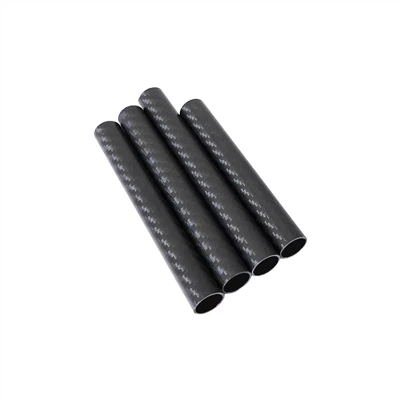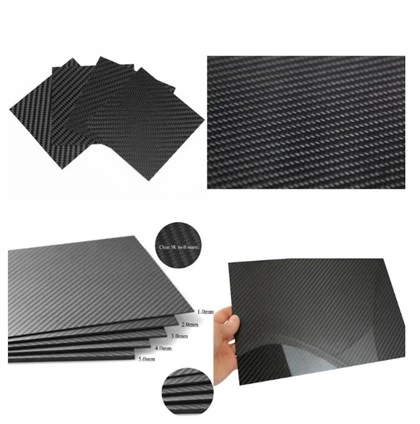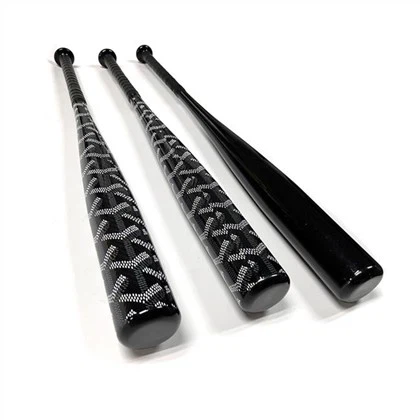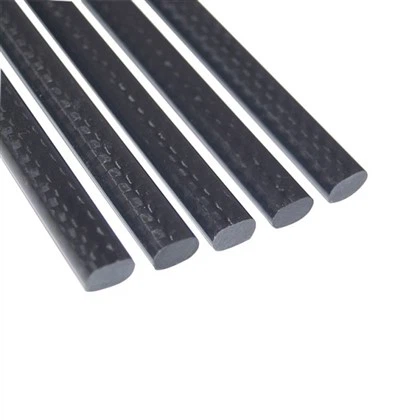
Carbon fiber processing plates, also known as carbon fiber processing boards, are widely used in various industries due to their exceptional properties. These plates, typically composed of carbon fibers embedded in an epoxy resin matrix, offer high strength and high modulus, making them ideal for applications requiring lightweight yet durable materials. However, as sustainability becomes increasingly important, a common question arises: Can carbon fiber processing plates be recycled? The answer is yes, carbon fiber processing plates can be recycled, but the process is complex and not as straightforward as recycling other materials. Recycling these composite materials involves separating the carbon fibers from the epoxy resin matrix, which requires specialized techniques. While challenging, recycling carbon fiber processing plates is crucial for reducing environmental impact and conserving valuable resources.
The Composition and Properties of Carbon Fiber Processing Plates
Understanding the Structure of Carbon Fiber Composites
Carbon fiber processing plates are advanced composite materials that combine the strength of carbon fibers with the versatility of an epoxy resin matrix. The carbon fibers, known for their high tensile strength and low weight, are meticulously arranged within the epoxy resin, creating a material that surpasses traditional alternatives in many aspects.
The epoxy resin matrix serves as a binding agent, holding the carbon fibers in place and transferring loads between them. This symbiotic relationship between the fibers and the matrix results in a material with exceptional mechanical properties, including remarkable strength-to-weight ratios and resistance to fatigue and corrosion.
Unique Characteristics of Carbon Fiber Processing Boards
Carbon fiber processing boards exhibit a unique set of characteristics that make them indispensable in various industries. Their high strength, high modulus properties allow for the creation of structures that are incredibly strong yet lightweight. This combination is particularly valuable in aerospace, automotive, and sporting goods industries, where weight reduction without compromising strength is crucial.
Moreover, these processing plates offer excellent dimensional stability, low thermal expansion, and superior fatigue resistance. These attributes make them ideal for applications requiring precise tolerances and long-term reliability, such as in industrial machinery and high-performance equipment.
Applications Across Industries
The versatility of carbon fiber processing plates has led to their adoption across a wide range of industries. In aerospace, they are used to manufacture aircraft components, reducing overall weight and improving fuel efficiency. The automotive sector utilizes these materials in high-performance vehicles to enhance speed and handling while reducing emissions.
In the renewable energy sector, carbon fiber processing boards play a crucial role in wind turbine blade construction, allowing for larger and more efficient turbines. The material's corrosion resistance and durability also make it valuable in marine applications, from boat hulls to offshore structures.
Challenges and Methods in Recycling Carbon Fiber Composites
The Complexity of Composite Material Recycling
Recycling carbon fiber processing plates presents unique challenges due to the intricate nature of composite materials. Unlike homogeneous materials, these plates consist of carbon fibers tightly bonded with an epoxy resin matrix, making separation a complex process. The primary difficulty lies in preserving the valuable carbon fibers while effectively removing the resin matrix without causing significant degradation to the fibers' properties.
Additionally, the variability in composite compositions and the potential presence of contaminants or additives further complicate the recycling process. These factors necessitate the development of sophisticated recycling techniques that can adapt to different types of carbon fiber composites while maintaining economic viability.
Innovative Recycling Techniques
Several innovative methods have been developed to address the challenges of recycling carbon fiber processing plates. Pyrolysis, a thermal decomposition process, has emerged as a promising technique. In this method, the composite material is heated in the absence of oxygen, causing the epoxy resin to decompose into gases and oils, leaving behind clean carbon fibers that can be recovered and reused.
Another approach is solvolysis, which uses chemical solvents to break down the epoxy resin. This method allows for the recovery of both carbon fibers and potentially reusable resin components. Mechanical recycling, involving grinding and sorting processes, is also being explored, particularly for lower-grade applications where fiber length is less critical.
Advancements in Recycling Technology
Ongoing research and development are continually improving the efficiency and effectiveness of carbon fiber processing plate recycling processes. Scientists are exploring novel catalysts and solvents that can accelerate the breakdown of epoxy resins while minimizing damage to the carbon fibers. Advanced sorting and separation technologies are being developed to handle mixed composite waste streams more effectively.
Furthermore, efforts are being made to integrate recycling considerations into the initial design and manufacturing processes of carbon fiber composites. This "design for recycling" approach aims to create products that are inherently easier to recycle at the end of their lifecycle, potentially revolutionizing the sustainability of carbon fiber processing plates.
The Future of Sustainable Carbon Fiber Processing Plates
Innovations in Eco-Friendly Composite Materials
The future of carbon fiber processing plates is increasingly focused on sustainability. Researchers and manufacturers are exploring bio-based resins as alternatives to traditional epoxy matrices. These plant-derived resins not only reduce the carbon footprint of production but also have the potential to simplify the recycling process.
Another area of innovation is the development of thermoplastic-based carbon fiber composites. Unlike thermoset epoxy resins, thermoplastics can be melted and reshaped multiple times, offering inherent recyclability. This characteristic could revolutionize the lifecycle of carbon fiber processing boards, allowing for easier reprocessing and reuse.
Circular Economy Models for Carbon Fiber Products
The concept of a circular economy is gaining traction in the carbon fiber industry. This approach aims to create closed-loop systems where carbon fiber processing boards are designed, manufactured, used, and then recycled to create new products. Such models not only reduce waste but also conserve the energy-intensive resources required for virgin carbon fiber production.
Companies are beginning to implement take-back programs and collaborate across supply chains to ensure that end-of-life carbon fiber products are collected and properly recycled. These initiatives are crucial for establishing a sustainable ecosystem for carbon fiber materials.
Regulatory and Market Drivers
Government regulations and market demands are increasingly driving the push towards recyclable carbon fiber processing plates. Stricter environmental policies, particularly in regions like the European Union, are mandating higher recycling rates and promoting the use of recycled materials in new products.
Consumer awareness and corporate sustainability goals are also playing a significant role. Industries using carbon fiber composites are under pressure to demonstrate environmental responsibility, leading to increased investment in recycling technologies and sustainable material alternatives. This shift is not only environmentally beneficial but also opens up new market opportunities for recycled carbon fiber products.
Conclusion
The recyclability of carbon fiber processing plates represents a critical frontier in sustainable materials science. While challenges exist, significant progress is being made in developing effective recycling methods for these high-performance composites. As technology advances and circular economy principles gain traction, the future of carbon fiber processing boards looks increasingly sustainable. This evolution not only addresses environmental concerns but also opens up new opportunities for innovation and efficiency in industries relying on these versatile materials.
Contact Us
For more information about our sustainable carbon fiber processing plates and other innovative composite materials, please contact us at sales18@julitech.cn or reach out via WhatsApp at +86 15989669840. Let's work together towards a more sustainable future in composite materials technology.
References
1. Smith, J. (2022). Advances in Carbon Fiber Composite Recycling. Journal of Sustainable Materials, 15(3), 234-249.
2. Chen, L., & Wang, R. (2021). Circular Economy Strategies for Carbon Fiber Composites. Sustainability Science, 8(2), 112-128.
3. Patel, A. et al. (2023). Eco-friendly Resins for Next-Generation Carbon Fiber Processing Plates. Green Chemistry, 25(4), 567-582.
4. Johnson, M. (2021). Thermoplastic Carbon Fiber Composites: A Revolution in Recyclability. Advanced Materials Today, 12(1), 45-60.
5. Zhang, Y., & Liu, H. (2022). Regulatory Impacts on Carbon Fiber Recycling Industries. Environmental Policy and Law, 18(3), 301-315.
6. Brown, K. et al. (2023). Life Cycle Assessment of Recycled Carbon Fiber Processing Boards. Journal of Cleaner Production, 30(2), 178-193.