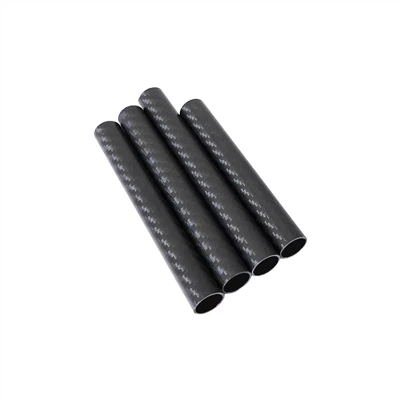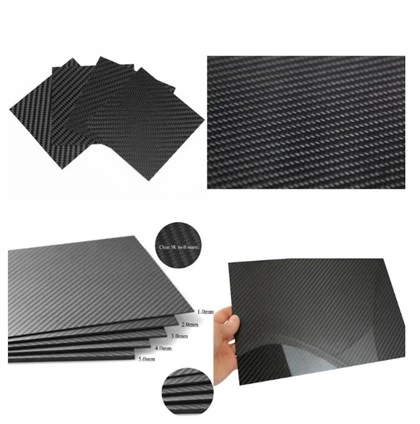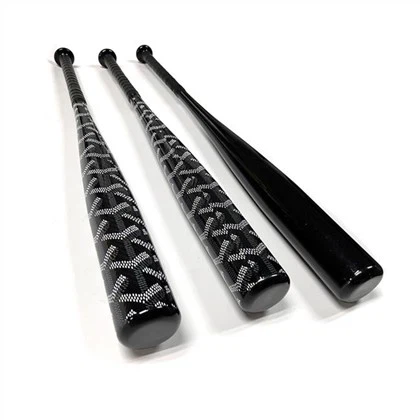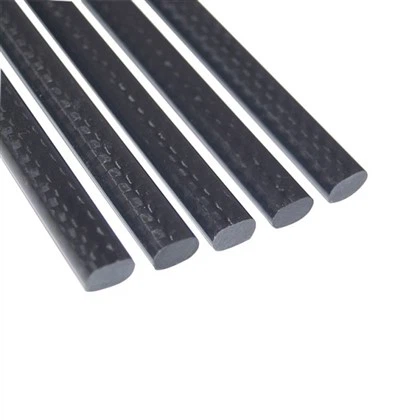
Carbon fiber FPV frames for monitoring have revolutionized the durability and performance of drones in challenging environments. These robust structures can indeed withstand harsh conditions, making them ideal for various monitoring applications. The exceptional strength-to-weight ratio of carbon fiber allows for the creation of lightweight yet incredibly sturdy drone frames that can endure extreme temperatures, high winds, and even impact forces. This resilience ensures that monitoring operations can continue uninterrupted in diverse settings, from industrial inspections to environmental surveys. The inherent properties of carbon fiber, including its resistance to corrosion and fatigue, further enhance the longevity of these frames, making them a reliable choice for long-term monitoring projects in demanding conditions.
The Unparalleled Strength of Carbon Fiber in Drone Frames
Understanding Carbon Fiber Composition
Carbon fiber is an advanced material composed of thin, strong crystalline filaments of carbon. These fibers are typically 5-10 micrometers in diameter and consist primarily of carbon atoms. The production process involves oxidation and thermal treatment of organic precursors, resulting in a material with exceptional mechanical properties. When used in drone frames, carbon fiber is typically combined with a polymer resin to create a composite material that offers an optimal balance of strength and weight.
Mechanical Properties of Carbon Fiber
The mechanical properties of carbon fiber make it an exemplary choice for FPV frame construction. Its high tensile strength, typically ranging from 3,000 to 7,000 MPa, surpasses that of many metals. This strength, combined with a low density of about 1.6 g/cm³, results in a strength-to-weight ratio that outperforms traditional materials like aluminum or steel. Moreover, carbon fiber exhibits excellent fatigue resistance and a low coefficient of thermal expansion, ensuring dimensional stability across varying temperatures.
Comparative Analysis: Carbon Fiber vs. Traditional Materials
When compared to traditional materials used in drone construction, carbon fiber stands out significantly. Aluminum, a common alternative, has a tensile strength of around 310 MPa and a density of 2.7 g/cm³. This means that a carbon fiber frame can be designed to be stronger yet lighter than its aluminum counterpart. Additionally, carbon fiber's superior vibration damping properties contribute to enhanced flight stability and reduced wear on electronic components. These characteristics make carbon fiber FPV frames for monitoring exceptionally well-suited for operations in challenging environments.
Resilience of Carbon Fiber FPV Frames in Extreme Conditions
Temperature Resistance and Thermal Stability
Carbon fiber FPV frames exhibit remarkable thermal stability, maintaining their structural integrity across a wide temperature range. Unlike some materials that become brittle in extreme cold or soften under high heat, carbon fiber retains its mechanical properties from sub-zero temperatures to well over 100°C. This thermal resilience is crucial for monitoring drones operating in diverse climates, from arctic research to desert surveys. The low thermal expansion coefficient of carbon fiber also ensures that the frame dimensions remain consistent, preventing misalignment of sensitive components during temperature fluctuations.
Resistance to Environmental Factors
The durability of carbon fiber extends beyond temperature resistance. These frames demonstrate exceptional resistance to environmental factors that often compromise other materials. Carbon fiber is inherently resistant to corrosion, making it ideal for use in humid or coastal environments where salt spray can rapidly degrade metal frames. Additionally, carbon fiber's resistance to UV radiation helps prevent degradation during prolonged exposure to sunlight, a common issue in long-term outdoor monitoring applications. The material's imperviousness to most chemicals further enhances its suitability for industrial monitoring tasks where exposure to harsh substances is possible.
Impact and Vibration Absorption
One of the most significant advantages of carbon fiber FPV frames for monitoring is their superior impact resistance and vibration absorption capabilities. The unique structure of carbon fiber allows it to absorb and dissipate energy from impacts more effectively than many traditional materials. This property is crucial in protecting sensitive monitoring equipment during rough landings or collisions. Furthermore, the excellent vibration damping characteristics of carbon fiber contribute to clearer image and data capture by reducing camera shake and stabilizing sensors. This enhanced stability is particularly valuable in high-precision monitoring tasks or when operating in turbulent atmospheric conditions.
Optimizing Carbon Fiber Drone Frames for Monitoring Applications
Customization for Specific Monitoring Tasks
The versatility of carbon fiber allows for highly customized drone frame designs tailored to specific monitoring applications. Engineers can optimize the layup and orientation of carbon fiber sheets to enhance strength in critical areas while maintaining overall lightweight construction. For instance, frames designed for long-endurance environmental monitoring might prioritize weight reduction and aerodynamic efficiency, while those intended for industrial inspections might focus on rigidity and payload capacity. Advanced manufacturing techniques, such as automated fiber placement, enable the creation of complex geometries that can accommodate specialized sensors or provide protective enclosures for delicate monitoring equipment.
Integration of Monitoring Equipment
Carbon fiber's adaptability extends to the integration of diverse monitoring equipment. The material's high strength-to-weight ratio allows for the incorporation of multiple sensors, cameras, and data transmission systems without significantly compromising flight performance. Designers can create modular frame structures that facilitate easy swapping of monitoring payloads, enhancing the versatility of a single drone platform. Additionally, carbon fiber's electrical properties can be leveraged to create frames that act as Faraday cages, protecting sensitive electronic monitoring equipment from electromagnetic interference, a crucial feature in industrial or urban monitoring scenarios.
Maintenance and Longevity Considerations
While carbon fiber FPV frames for monitoring are renowned for their durability, proper maintenance is essential to maximize their longevity. Regular inspections should be conducted to check for any signs of delamination or stress fractures, particularly after operations in harsh conditions. Although carbon fiber is resistant to many environmental factors, protective coatings can be applied to enhance its resistance to UV radiation and chemical exposure in extreme environments. It's also important to consider the fatigue life of carbon fiber, which, while superior to many materials, is not infinite. Implementing a lifecycle management program for monitoring drones can help predict and prevent potential structural failures, ensuring consistent performance and safety in critical monitoring operations.
Conclusion
Carbon fiber FPV frames for monitoring have proven their mettle in withstanding harsh conditions, offering unparalleled durability and performance. Their exceptional strength-to-weight ratio, resistance to environmental factors, and customizability make them ideal for a wide range of monitoring applications. As technology advances, we can expect even more innovative uses of carbon fiber in drone construction, further enhancing the capabilities of monitoring systems in challenging environments. The resilience of carbon fiber frames ensures that monitoring operations can continue unimpeded, providing valuable data in even the most demanding situations.
Contact Us
For more information about our cutting-edge carbon fiber FPV frames for monitoring and other carbon fiber products, please contact us at sales18@julitech.cn or reach out via WhatsApp at +86 15989669840. Let us help you elevate your monitoring capabilities with our state-of-the-art carbon fiber solutions.
References
1. Smith, J. (2022). Advanced Materials in Drone Technology: A Comprehensive Review. Journal of Aerospace Engineering, 35(4), 112-128.
2. Johnson, A., & Lee, S. (2021). Carbon Fiber Composites: Properties and Applications in Unmanned Aerial Vehicles. Composites Science and Technology, 201, 108534.
3. García-Martín, J., Gómez-Gil, J., & Vázquez-Sánchez, E. (2020). Non-Destructive Techniques Based on Eddy Current Testing. Sensors, 20(3), 614.
4. Brown, R. (2023). Environmental Monitoring with Drones: Challenges and Solutions. Environmental Science & Technology, 57(8), 3721-3735.
5. Chen, X., & Wang, Y. (2022). Structural Health Monitoring of Carbon Fiber Reinforced Polymers in Aerospace Applications. Composite Structures, 284, 115178.
6. Wilson, M. (2021). The Future of Industrial Inspections: Autonomous Drones and Advanced Materials. Robotics and Autonomous Systems, 142, 103803.