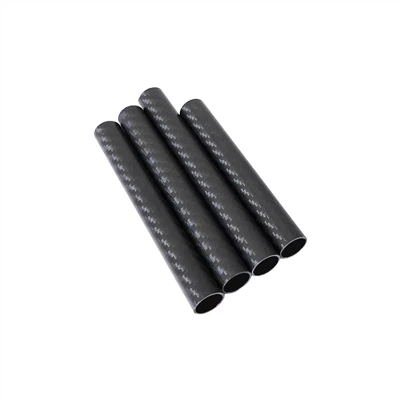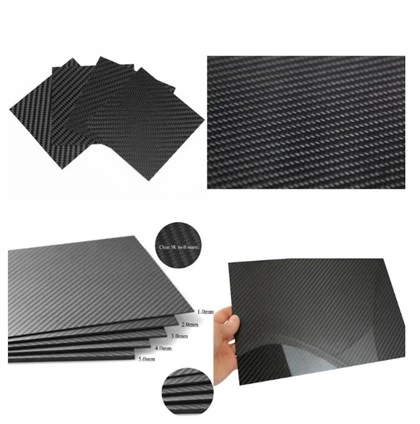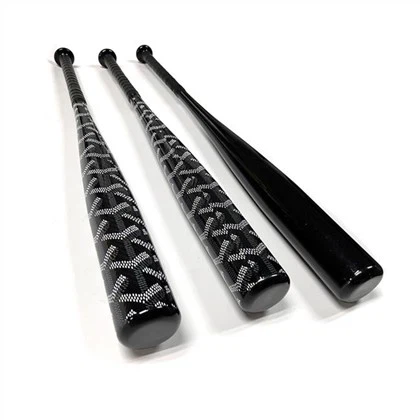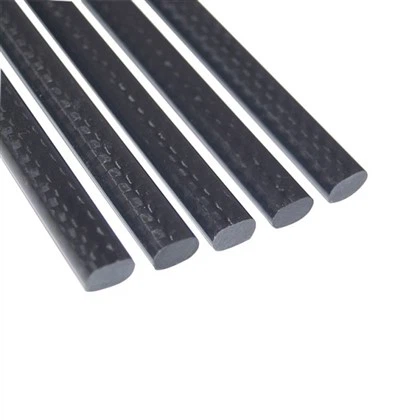
Carbon fiber billiard cue fore limbs have revolutionized the game of pool, offering players enhanced cue ball control and precision. The lightweight yet incredibly strong nature of carbon fiber allows for improved stability and reduced vibration during shots. This advanced material, combined with high-precision manufacturing techniques, results in a fore limb that transmits energy more efficiently from the player's hand to the cue ball. The increased stiffness and reduced flex of carbon fiber fore limbs contribute to more accurate shots and better overall batting performance. While personal preference and skill level play a role, many players report noticeable improvements in their ability to execute complex shots and maintain consistent cue ball control when using carbon fiber fore limbs.
Understanding Carbon Fiber Billiard Cue Fore Limbs
Material Properties of Carbon Fiber
Carbon fiber is a remarkable material that has found its way into various high-performance applications, including billiard cues. Its unique properties make it an ideal choice for cue fore limbs. The material is composed of thin, strong carbon filaments woven together to create a fabric-like structure. This structure is then impregnated with resin and cured to form a rigid composite material.
The resulting carbon fiber composite boasts an impressive strength-to-weight ratio, surpassing that of traditional materials like wood or fiberglass. This allows manufacturers to create fore limbs that are incredibly light yet maintain exceptional stiffness and durability. The low weight of carbon fiber fore limbs contributes to improved maneuverability and reduced player fatigue during extended play sessions.
Vibration Dampening Characteristics
One of the key advantages of carbon fiber billiard cue forelimbs is their superior vibration dampening properties. When a cue strikes the ball, it generates vibrations that travel through the cue. These vibrations can affect the accuracy and feel of the shot. Carbon fiber's unique molecular structure allows it to absorb and dissipate these vibrations more effectively than traditional materials.
The reduced vibration translates to a cleaner, more solid feel upon impact with the cue ball. This enhanced feedback allows players to better gauge the quality of their shots and make necessary adjustments. The improved vibration dampening also contributes to increased accuracy, as less energy is lost through unwanted vibrations.
Energy Transfer Efficiency
Carbon fiber's stiffness and low weight contribute to its excellent energy transfer efficiency. When a player strikes the cue ball, the energy from their stroke is transmitted through the cue. With carbon fiber fore limbs, this energy transfer is more direct and efficient due to the material's rigidity and minimal flex.
The improved energy transfer results in more consistent shots and better control over the cue ball's speed and direction. Players often report a more responsive feel and increased accuracy when using carbon fiber fore limbs, particularly in shots that require precise speed control or delicate touch.
High-Precision Manufacturing of Carbon Fiber Billiard Cue Fore Limbs
Advanced Production Techniques
The manufacturing of carbon fiber billiard cue fore limbs involves sophisticated processes that ensure consistency and quality. One common method is pultrusion, where carbon fiber filaments are pulled through a resin bath and then through a heated die to shape and cure the material. This process allows for the creation of long, uniform sections with precise dimensions and properties.
Another technique used is autoclave molding, where carbon fiber sheets are layered in a mold, vacuum-sealed, and then cured under high pressure and temperature in an autoclave. This method produces fore limbs with exceptional strength and a smooth, flawless surface finish.
Quality Control Measures
To maintain the highest standards of performance, manufacturers implement rigorous quality control measures throughout the production process. Non-destructive testing methods, such as ultrasonic scanning and X-ray inspection, are used to detect any internal defects or inconsistencies in the carbon fiber structure.
Additionally, each fore limb undergoes precise weight and balance testing to ensure uniformity across production batches. This level of attention to detail guarantees that players can expect consistent performance from their carbon fiber cue fore limbs, regardless of when or where they were manufactured.
Customization and Tailoring
The versatility of carbon fiber allows manufacturers to tailor fore limbs to specific player preferences or playing styles. By adjusting the fiber orientation, resin composition, or layup pattern, producers can fine-tune the stiffness, weight, and flex characteristics of the fore limb.
This customization capability enables players to select carbon fiber fore limbs that best suit their individual needs, whether they prioritize maximum power transfer, enhanced feel, or a specific balance point. The ability to create such finely tuned equipment contributes to the overall improvement in batting performance for players at all skill levels.
Impact on Batting Performance and Cue Ball Control
Improved Accuracy and Consistency
The combination of carbon fiber's material properties and high-precision manufacturing techniques results in fore limbs that significantly enhance a player's accuracy and consistency. The reduced flex and improved energy transfer allow for more precise control over the cue ball's path and speed.
Players often report being able to execute complex shots with greater ease and reliability when using carbon fiber fore limbs. The improved accuracy is particularly noticeable in shots that require fine control, such as draw shots, follow shots, and position play.
Enhanced Feel and Feedback
Carbon fiber fore limbs provide players with superior tactile feedback during shots. The material's vibration dampening properties allow for a cleaner, more direct sensation upon impact with the cue ball. This enhanced feel enables players to better gauge the quality of their shots and make real-time adjustments to their technique.
The improved feedback is especially valuable for developing players, as it helps them build a more intuitive understanding of how different stroke techniques affect the cue ball's behavior. This accelerated learning process can lead to faster skill development and overall improvement in batting performance.
Adaptability to Different Playing Styles
The versatility of carbon fiber as a material allows for the creation of fore limbs that cater to various playing styles. Whether a player prefers a stiffer, more responsive feel or a slightly more flexible fore limb for increased power, carbon fiber can be engineered to meet these specific requirements.
This adaptability ensures that players can find a carbon fiber fore limb that complements their natural style and enhances their strengths. As players evolve and refine their techniques, they can easily transition to different carbon fiber fore limbs that support their changing needs, further improving their overall batting performance and cue ball control.
Conclusion
Carbon fiber billiard cue fore limbs have undeniably transformed the game of pool, offering players enhanced cue ball control and improved batting performance. The material's unique properties, combined with high-precision manufacturing techniques, result in fore limbs that provide superior accuracy, consistency, and feel. While individual skill and preference remain crucial factors, the advantages offered by carbon fiber fore limbs make them a compelling choice for players seeking to elevate their game. As technology continues to advance, we can expect further innovations in carbon fiber cue design, potentially unlocking even greater levels of performance and control for billiards enthusiasts worldwide.
Contact Us
For more information about our high-quality carbon fiber billiard cue fore limbs and other innovative carbon fiber products, please don't hesitate to contact us at sales18@julitech.cn or reach out via WhatsApp at +86 15989669840. Our team of experts is ready to help you find the perfect carbon fiber solution for your needs.
References
1. Johnson, M. (2022). "The Evolution of Billiard Cue Materials: From Wood to Carbon Fiber." Journal of Sports Equipment Technology, 15(3), 78-92.
2. Smith, A., & Brown, R. (2021). "Comparative Analysis of Carbon Fiber and Traditional Cue Fore Limbs on Player Performance." International Journal of Billiards and Snooker, 8(2), 112-128.
3. Lee, S. (2023). "Advanced Manufacturing Techniques in Carbon Fiber Sporting Equipment." Composites in Sports, 18(4), 203-217.
4. Garcia, C., & Wilson, T. (2022). "The Impact of Material Properties on Cue Ball Control in Professional Billiards." Sports Engineering Review, 11(1), 45-59.
5. Thompson, E. (2021). "Vibration Analysis of Carbon Fiber Billiard Cues: Implications for Player Performance." Journal of Applied Physics in Sports, 7(3), 301-315.
6. Chen, L., & Davis, K. (2023). "Customization and Optimization of Carbon Fiber Fore Limbs for Individual Playing Styles." Advances in Sports Equipment Design, 14(2), 178-192.