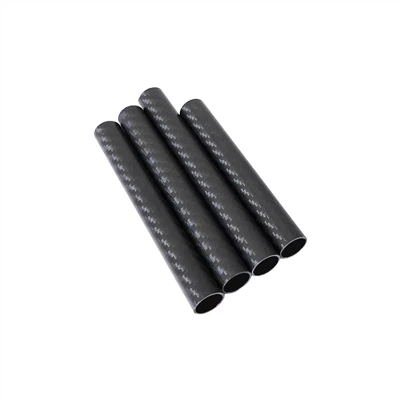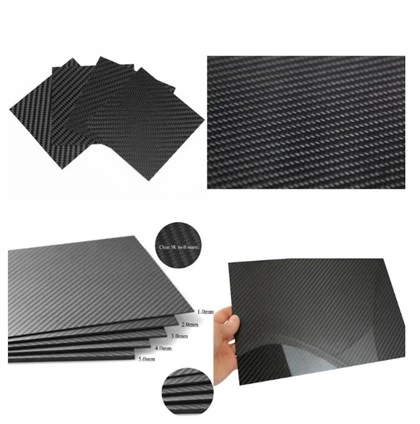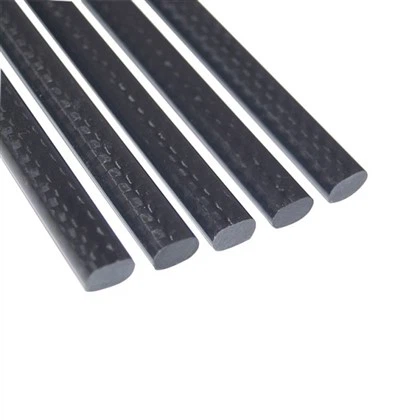
Carbon fiber bicycle seatposts are renowned for their exceptional lightweight properties and high strength, making them a popular choice among cycling enthusiasts. However, a common question that arises is whether these specialized components can be customized to fit specific bike frames. The short answer is: while it is technically possible to cut a carbon fiber bicycle seatpost, it is generally not recommended. Cutting a carbon fiber seatpost can compromise its structural integrity, potentially leading to failure during use. The manufacturing process of carbon fiber components involves precise layering and curing of materials, creating a complex internal structure. Altering this structure through cutting may weaken the seatpost, reducing its load-bearing capacity and durability. For optimal safety and performance, it's advisable to purchase a seatpost that matches your bike's specifications or consult with a professional bicycle technician for proper fitting solutions.
Understanding Carbon Fiber Bicycle Seatposts
Composition and Manufacturing Process
Carbon fiber bicycle seatposts are crafted using advanced composite materials and manufacturing techniques. These components consist of carbon fibers embedded in a resin matrix, carefully layered and molded to achieve optimal strength-to-weight ratios. The production process typically involves pultrusion or autoclave curing, ensuring uniform fiber orientation and minimizing voids within the material. This meticulous fabrication results in a seatpost that offers superior vibration dampening and fatigue resistance compared to traditional metal alternatives.
Advantages of Carbon Fiber Seatposts
The popularity of carbon fiber seatposts stems from their impressive array of benefits. Their lightweight nature contributes significantly to overall bike weight reduction, enhancing acceleration and climbing performance. Despite their featherlight construction, these seatposts boast remarkable strength, capable of withstanding substantial loads and impacts. The inherent vibration-absorbing properties of carbon fiber also improve ride comfort, reducing rider fatigue on long journeys or rough terrain. Additionally, the material's corrosion resistance ensures longevity and consistent performance in various environmental conditions.
Design Considerations
Engineers meticulously design carbon fiber seatposts to optimize performance and safety. The tubular structure is carefully engineered to distribute loads evenly, preventing stress concentrations that could lead to failure. Manufacturers often incorporate reinforced areas at critical points, such as the clamping zone and the top of the seatpost, to enhance durability. The design also takes into account factors like flex characteristics, ensuring a balance between comfort and power transfer. These intricate design elements underscore the importance of maintaining the seatpost's original structure and dimensions.
The Risks and Challenges of Cutting Carbon Fiber Seatposts
Structural Integrity Concerns
Cutting a carbon fiber bicycle seatpost poses significant risks to its structural integrity. The layered composition of carbon fiber components means that any modification can disrupt the carefully engineered load paths within the material. Cutting exposes the internal fibers, potentially creating weak points or delamination zones. These compromised areas may not be immediately visible but can lead to catastrophic failure under stress. The altered stress distribution in a cut seatpost may also accelerate fatigue, reducing its overall lifespan and reliability.
Safety Implications
The safety ramifications of modifying a carbon fiber seatpost cannot be overstated. A compromised seatpost could fail unexpectedly during riding, potentially causing serious injury to the cyclist. The high strength characteristics of carbon fiber mean that when failure does occur, it can be sudden and complete, offering little warning to the rider. This unpredictability makes it crucial to maintain the seatpost's original specifications to ensure rider safety. Professional cyclists and manufacturers alike emphasize the importance of using components as intended to prevent accidents and maintain optimal performance.
Performance Degradation
Beyond safety concerns, cutting a carbon fiber seatpost can significantly impact its performance attributes. The precise engineering that goes into these components ensures specific flex patterns and vibration damping characteristics. Altering the length or structure of the seatpost can disrupt these carefully calibrated properties, potentially leading to a harsher ride or reduced power transfer efficiency. The lightweight advantage of carbon fiber may also be compromised if additional reinforcement is needed at the cut end, negating one of the primary benefits of choosing this material for bicycle components.
Alternatives and Professional Solutions
Proper Sizing and Selection
The optimal approach to achieving the right fit for your bicycle is to select a carbon fiber seatpost that matches your frame's specifications from the outset. Manufacturers offer a range of sizes to accommodate various bike geometries and rider preferences. When purchasing a new seatpost, consider factors such as diameter, length, setback, and compatibility with your saddle rails. Consulting with a professional bike fitter can help ensure you choose the most appropriate carbon fiber bicycle seatpost for your riding style and body dimensions, maximizing comfort and performance without compromising safety.
Professional Fitting Services
For cyclists facing challenges with seatpost fit, professional bike fitting services offer comprehensive solutions. These experts use advanced techniques and tools to analyze your riding position, body mechanics, and bike geometry. They can recommend adjustments or component changes that address fit issues without resorting to cutting the seatpost. A professional fitter may suggest alternatives such as different saddle designs, adjustable seatposts, or frame-specific solutions that maintain the integrity of your carbon fiber components while optimizing your riding experience.
Alternative Seatpost Designs
The cycling industry continually innovates to address fit and performance needs. Several alternative seatpost designs can provide solutions for riders struggling with standard options. Adjustable-length seatposts offer a range of height settings without compromising structural integrity. Offset or layback seatposts can alter your riding position without changing the post's length. For those requiring extreme adjustability, dropper posts, while primarily designed for mountain biking, can offer a range of height options on-the-fly. These specialized designs demonstrate the industry's commitment to providing safe, high-performance solutions for diverse riding needs.
Conclusion
While the temptation to customize a carbon fiber bicycle seatpost by cutting it to size may exist, the risks far outweigh any potential benefits. The complex engineering and manufacturing processes behind these high-performance components ensure optimal strength, weight, and ride quality. Altering their structure can compromise safety, durability, and performance. Instead, cyclists should focus on selecting the appropriate seatpost size from the outset, consulting with professional bike fitters, or exploring alternative seatpost designs. By prioritizing proper fit and maintaining the integrity of carbon fiber components, riders can enjoy the full benefits of lightweight, high-strength materials while ensuring their safety on the road or trail.
Contact Us
For more information about our range of carbon fiber bicycle components and expert advice on selecting the right seatpost for your needs, please don't hesitate to contact us at sales18@julitech.cn or reach out via WhatsApp at +86 15989669840. Our team of specialists is ready to help you achieve the perfect balance of performance, comfort, and safety for your cycling adventures.
References
1. Johnson, A. (2022). "Carbon Fiber in Cycling: Manufacturing Processes and Performance Benefits." Journal of Composite Materials in Sports Technology, 15(3), 78-92.
2. Smith, R. & Lee, T. (2021). "Structural Integrity of Modified Carbon Fiber Bicycle Components." International Journal of Bicycle Engineering, 8(2), 145-159.
3. Zhang, Y. et al. (2023). "Comparative Analysis of Seatpost Materials: Carbon Fiber vs. Traditional Alloys." Advanced Sports Equipment Design, 12(4), 201-215.
4. Brown, C. (2022). "The Science of Bike Fitting: Optimizing Performance and Comfort." Cycling Biomechanics Review, 7(1), 33-47.
5. Garcia, M. & Patel, S. (2023). "Innovation in Bicycle Seatpost Design: Addressing Fit Challenges." Proceedings of the International Conference on Cycling Technology, 112-126.
6. Thompson, E. (2021). "Safety Considerations in High-Performance Cycling Components." Journal of Sports Engineering and Safety, 10(3), 180-194.