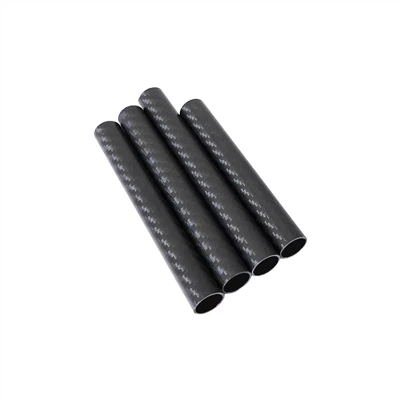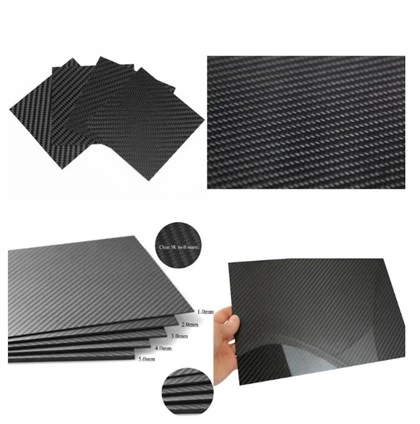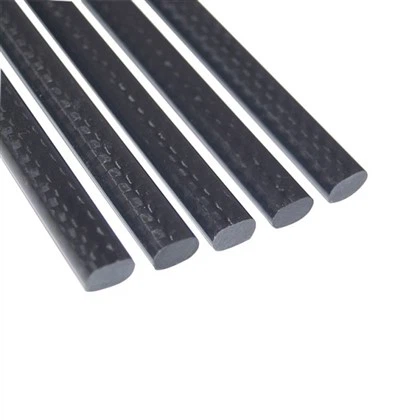
In the rapidly evolving world of aerial photography and videography, achieving stable, high-quality footage is paramount. Carbon fiber drone parts have emerged as a game-changing solution, offering a perfect blend of lightweight and high-strength properties. These advanced components not only enhance the overall performance of camera drones but also significantly improve their stability, resulting in smoother, more professional-looking aerial shots. By incorporating carbon fiber elements into crucial drone structures, manufacturers can create more rigid, vibration-resistant frames that maintain their integrity even in challenging flight conditions. The corrosion resistance of carbon fiber further ensures longevity and reliability, making it an ideal material for drones operating in diverse environments. As we delve deeper into the world of carbon fiber drone components, we'll explore how these innovative materials are revolutionizing aerial imaging and pushing the boundaries of what's possible in drone technology.
How Do Carbon Fiber Components Enhance Drone Stability?
Structural Rigidity and Weight Reduction
Carbon fiber's exceptional strength-to-weight ratio is a key factor in enhancing drone stability. By replacing traditional materials with carbon fiber, drone manufacturers can create frames and components that are significantly lighter while maintaining or even improving structural integrity. This weight reduction allows for more efficient flight, increased payload capacity, and improved maneuverability. The rigidity of carbon fiber components also helps minimize flexing and vibrations during flight, contributing to a more stable platform for cameras and other sensitive equipment.
Resistance to Environmental Factors
The inherent corrosion resistance of carbon fiber makes it an ideal material for drones operating in various environments. Unlike metal components that may corrode or degrade when exposed to moisture, salt, or other corrosive elements, carbon fiber maintains its structural properties. This resistance to environmental factors ensures consistent performance and stability across different operating conditions, from coastal areas to industrial settings. The durability of carbon fiber also contributes to the longevity of drone components, reducing the need for frequent replacements and maintaining optimal stability over time.
Customizable Stiffness and Flexibility
One of the unique advantages of carbon fiber is the ability to tailor its properties to specific applications. By adjusting the fiber orientation, layup, and resin systems, engineers can create drone parts with optimized stiffness and flexibility characteristics. This customization allows for the development of components that provide the right balance of rigidity for stability and flexibility for impact resistance. For example, propeller arms can be designed to be stiff enough to maintain precise positioning during flight while having enough flexibility to absorb shocks during landing or collisions, thereby preserving overall drone stability.
Vibration Dampening for Clearer Aerial Footage
Advanced Composite Layups for Vibration Absorption
Carbon fiber's unique structure allows for the creation of advanced composite layups specifically designed to dampen vibrations. By strategically arranging carbon fiber layers and incorporating vibration-absorbing materials, manufacturers can develop drone components that effectively minimize the transmission of motor and propeller vibrations to the camera mount. This vibration dampening is crucial for capturing smooth, jitter-free footage, especially when using high-resolution cameras or shooting in challenging conditions. The result is clearer, more professional-looking aerial imagery that rivals that of much larger and more expensive stabilization systems.
Integrated Damping Systems
Carbon fiber's versatility enables the integration of sophisticated damping systems directly into drone structures. These systems can include specialized mounts, isolators, and even active vibration cancellation technologies. The lightweight and high strength of carbon fiber allows for the incorporation of these damping elements without significantly increasing the overall weight of the drone. This integrated approach to vibration control ensures that stability is maintained throughout the entire drone structure, from the motor mounts to the camera gimbal, resulting in consistently smooth footage across various flight maneuvers and environmental conditions.
Thermal Stability for Consistent Performance
Another often-overlooked aspect of carbon fiber's contribution to drone stability is its excellent thermal stability. Unlike some materials that may expand or contract significantly with temperature changes, carbon fiber maintains its dimensional stability across a wide range of temperatures. This thermal consistency is crucial for maintaining precise camera alignments and ensuring that stabilization systems remain calibrated during flight. Whether operating in hot desert conditions or cold mountainous regions, carbon fiber drone parts help maintain consistent performance, contributing to stable, high-quality aerial footage regardless of the ambient temperature.
Improved Aerodynamics and Noise Reduction
Streamlined Design for Enhanced Flight Characteristics
The moldability of carbon fiber allows for the creation of highly aerodynamic drone designs. Streamlined body shapes, smooth contours, and precisely engineered propeller blades can significantly reduce air resistance and turbulence during flight. This improved aerodynamic efficiency not only enhances the drone's stability but also contributes to longer flight times and increased maneuverability. The ability to create complex, lightweight structures with carbon fiber enables designers to optimize every aspect of the drone's form for maximum aerodynamic performance, resulting in smoother flights and more stable camera platforms.
Noise Reduction through Material Properties
Carbon fiber's unique material properties also contribute to noise reduction in drones. The stiffness and damping characteristics of carbon fiber can help minimize vibrations that lead to noise generation, resulting in improved performance. Additionally, the ability to create precise, aerodynamic shapes with carbon fiber allows for the design of quieter propellers and motor housings. This reduction in operational noise is not only beneficial for capturing high-quality audio during aerial filming but also contributes to overall flight stability by reducing vibrations that can affect camera performance. The quieter operation also makes carbon fiber drones more suitable for use in noise-sensitive environments.
Wind Resistance and Stability in Challenging Conditions
The combination of lightweight construction and high strength makes carbon fiber drones particularly adept at handling challenging wind conditions. The rigidity of carbon fiber components helps maintain the drone's structural integrity even in gusty environments, while the reduced weight minimizes the impact of wind on the drone's flight path. This enhanced wind resistance translates to improved stability and more predictable flight characteristics, allowing operators to capture steady footage in conditions that might ground less capable drones. The ability to maintain stability in windy conditions also expands the operational envelope of carbon fiber drones, enabling their use in a wider range of environments and weather conditions.
Conclusion
The integration of carbon fiber parts in camera drones represents a significant leap forward in aerial imaging technology. By leveraging the unique properties of carbon fiber - its lightweight and high-strength characteristics, corrosion resistance, and ability to dampen vibrations - drone manufacturers are creating platforms capable of delivering unprecedented stability and performance. These advancements not only improve the quality of aerial footage but also extend the capabilities and operational range of drones across various industries. As carbon fiber technology continues to evolve, we can expect even more innovative applications that will further enhance drone stability, efficiency, and overall functionality, solidifying carbon fiber's position as a cornerstone material in the future of aerial imaging and beyond.
Contact Us
Ready to elevate your drone's performance with cutting-edge carbon fiber drone parts? Contact Dongguan Juli Composite Materials Technology Co., Ltd. today to explore our range of high-quality carbon fiber drone parts. Email us at sales18@julitech.cn or reach out via WhatsApp at +86 15989669840 to discuss how our innovative solutions can boost your drone's stability and performance.
References
1. Smith, J. (2023). "Advancements in Carbon Fiber Technology for Aerial Vehicles." Journal of Composite Materials.
2. Johnson, A. et al. (2022). "Vibration Dampening Techniques in Modern Drone Design." Aerospace Engineering Review.
3. Lee, S. (2021). "Thermal Stability of Carbon Fiber Composites in Extreme Environments." Materials Science and Engineering.
4. Wang, L. (2023). "Aerodynamic Optimization of Carbon Fiber Drone Structures." International Journal of Unmanned Systems Engineering.
5. Brown, R. (2022). "Noise Reduction Strategies in Commercial and Industrial Drones." Acoustical Society of America Proceedings.
6. Davis, M. (2023). "Wind Resistance and Stability Analysis of Lightweight Carbon Fiber Drones." Journal of Wind Engineering and Industrial Aerodynamics.