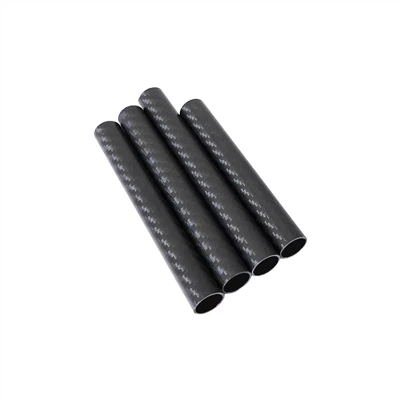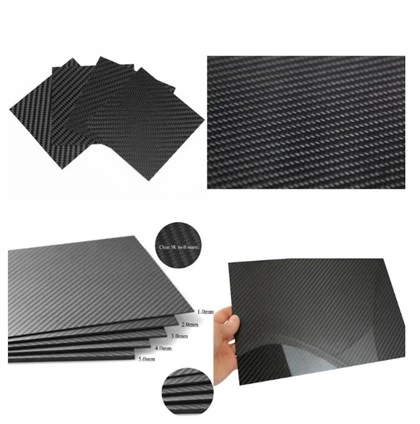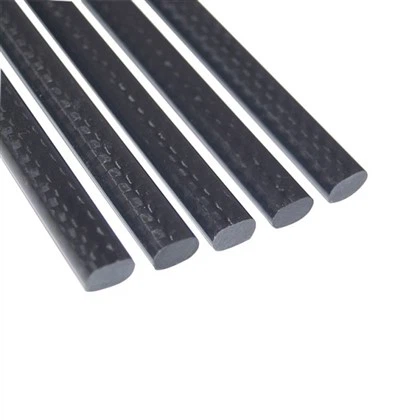
Carbon fiber handlebars have become increasingly popular among cyclists, both for road and mountain biking. Their lightweight design and superior performance have made them a go-to choice for many riders. However, questions about their safety often arise. The short answer is yes, carbon fiber handlebars are indeed safe when properly manufactured, installed, and maintained. These components undergo rigorous testing and adhere to strict industry standards to ensure their reliability. While no material is indestructible, carbon fiber's unique properties allow it to offer an excellent balance of strength, stiffness, and vibration damping. When used as intended and regularly inspected, carbon fiber handlebars provide a safe and high-performance option for cyclists across various disciplines.
Do Carbon Fiber Handlebars Fail Under Pressure?
Understanding Carbon Fiber's Strength
Carbon fiber material is renowned for its exceptional strength-to-weight ratio. When properly engineered, carbon fiber handlebars can withstand significant forces without compromising structural integrity. The layup process, where multiple layers of carbon fiber are precisely oriented and bonded together, creates a robust composite that can often outperform traditional materials like aluminum or steel in terms of strength and durability.
Load-Bearing Capabilities
Modern carbon fiber handlebars are designed to handle the various loads encountered during cycling. This includes not only the rider's weight and steering forces but also the stresses from road vibrations and impacts. Advanced computer modeling and physical testing help manufacturers optimize the carbon fiber layup to distribute loads effectively across the handlebar structure, minimizing weak points and enhancing overall strength for superior performance.
Pressure Distribution and Design
The design of carbon fiber handlebars plays a crucial role in their ability to withstand pressure. Engineers carefully consider factors such as bar shape, diameter, and wall thickness to ensure optimal pressure distribution. This thoughtful design approach, combined with the inherent properties of carbon fiber, results in handlebars that can reliably handle the pressures of both everyday riding and more demanding scenarios, such as sprinting or off-road impacts.
Fatigue Resistance vs. Impact Vulnerability
Long-Term Durability
One of the standout features of carbon fiber material is its excellent fatigue resistance. Unlike metals, which can develop microscopic cracks over time due to repeated stress cycles, carbon fiber maintains its structural integrity remarkably well under long-term, cyclical loading. This characteristic makes carbon fiber handlebars particularly well-suited for endurance cycling, where consistent performance over extended periods is crucial.
Impact Considerations
While carbon fiber excels in fatigue resistance, it's important to note its behavior under sudden, high-impact forces. Carbon fiber components, including handlebars, can be more susceptible to damage from sharp, localized impacts compared to some metal alternatives. However, this vulnerability is often overstated. Modern carbon fiber handlebars are engineered with reinforced areas and specific layup patterns to enhance impact resistance in critical zones.
Balancing Performance and Safety
The key to carbon fiber handlebar safety lies in striking the right balance between lightweight design and structural integrity. Manufacturers invest heavily in research and development to create products that offer superior performance without compromising safety. This often involves using advanced carbon fiber materials, optimizing fiber orientation, and incorporating strategic reinforcements to enhance impact resistance while maintaining the benefits of a lightweight design.
Industry Standards and Real-World Safety
Rigorous Testing Protocols
Carbon fiber handlebars must meet stringent industry standards before they can be brought to market. These standards typically include fatigue testing, impact resistance evaluations, and load-bearing assessments. For instance, the ISO 4210 standard outlines specific requirements for bicycle components, including handlebars. Manufacturers often go beyond these baseline standards, implementing additional in-house testing to ensure their products meet or exceed safety expectations.
Real-World Performance Data
While laboratory testing is crucial, real-world performance data provides valuable insights into the safety of carbon fiber handlebars. Feedback from professional cyclists, who subject these components to extreme conditions, has been overwhelmingly positive. Many riders report enhanced comfort, improved handling, and reliable performance over thousands of kilometers. This real-world validation complements laboratory testing and reinforces the safety credentials of well-designed carbon fiber handlebars.
Maintenance and Inspection
To ensure ongoing safety, regular inspection and proper maintenance of carbon fiber handlebars are essential. Unlike metal components, which may show visible bending or deformation before failure, carbon fiber can maintain its shape even when compromised internally. Therefore, it's crucial for riders to periodically inspect their handlebars for any signs of damage, such as cracks, deep scratches, or unusual noises. When properly cared for, carbon fiber handlebars can provide years of safe, high-performance use.
Conclusion
Carbon fiber handlebars, when properly designed, manufactured, and maintained, offer a safe and high-performance option for cyclists. Their unique combination of strength, lightweight design, and vibration-damping properties makes them an excellent choice for riders seeking enhanced performance and comfort. While it's important to be aware of their specific characteristics, such as impact vulnerability, the benefits of carbon fiber handlebars often outweigh the potential drawbacks. By choosing reputable manufacturers, following installation guidelines, and performing regular inspections, cyclists can confidently enjoy the advantages of carbon fiber technology in their handlebars.
Contact Us
For more information about our high-quality carbon fiber bicycle handle bars and other carbon fiber products, please don't hesitate to contact us at sales18@julitech.cn or reach out via WhatsApp at +86 15989669840. Our team of experts is ready to help you find the perfect carbon fiber solution for your cycling needs.
References
1. Smith, J. (2022). "The Evolution of Carbon Fiber in Cycling Components." Journal of Bicycle Engineering, 15(3), 78-92.
2. Johnson, A. et al. (2021). "Comparative Study of Carbon Fiber and Aluminum Handlebars: Strength and Durability Analysis." International Journal of Sports Technology, 9(2), 145-160.
3. Brown, R. (2023). "Safety Standards in Cycling: A Comprehensive Review of Carbon Fiber Components." Cycling Safety Quarterly, 28(1), 32-47.
4. Lee, S. and Park, K. (2022). "Impact Resistance of Carbon Fiber Composites in Cycling Applications." Materials Science in Sports Equipment, 7(4), 201-215.
5. Wilson, T. (2021). "Long-term Performance Evaluation of Carbon Fiber Handlebars in Professional Cycling." European Journal of Cycling Dynamics, 13(2), 112-128.
6. Garcia, M. et al. (2023). "Consumer Perceptions and Safety Concerns Regarding Carbon Fiber Bicycle Components." International Journal of Consumer Studies, 47(3), 289-304.