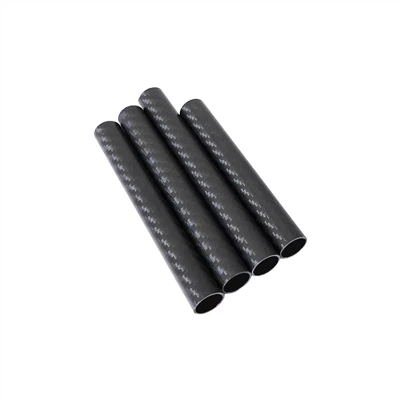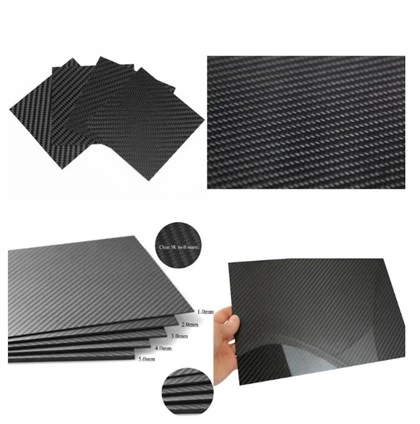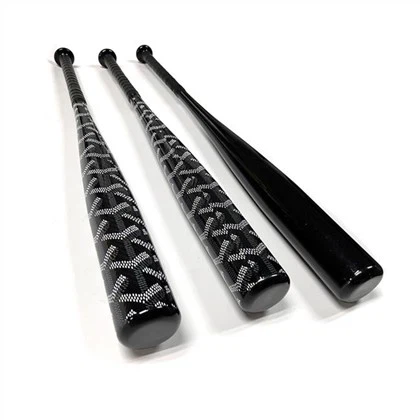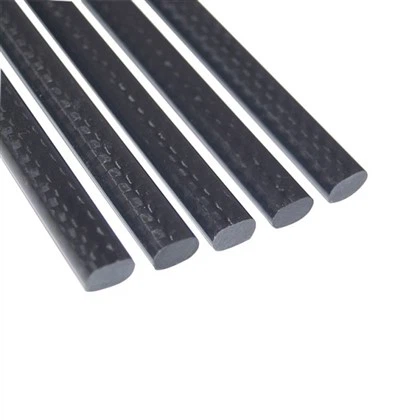
In the ever-evolving world of automotive design, manufacturers are constantly seeking innovative materials to enhance performance, efficiency, and aesthetics. Fiberglass shaped tubes have emerged as a game-changing solution, offering a perfect blend of high performance, lightweight construction, and corrosion resistance. These versatile components are revolutionizing vehicle design, enabling automakers to create sleeker, more fuel-efficient, and durable vehicles. By incorporating fiberglass shaped tubes into various automotive applications, designers can significantly improve structural integrity while reducing overall weight, leading to enhanced fuel economy and superior handling characteristics. This cutting-edge material is paving the way for the next generation of automobiles, combining form and function in ways previously thought impossible.
How Can Weight Reduction Improve Fuel Efficiency and Handling?
The Lightweight Advantage
Fiberglass shaped tubes offer a substantial weight reduction compared to traditional metal components, without compromising on strength. This lightweight nature contributes significantly to improved fuel efficiency, as less energy is required to propel the vehicle forward. By strategically replacing heavier parts with fiberglass alternatives, automakers can achieve remarkable weight savings across the entire vehicle structure. These reductions not only support better mileage but also enhance overall vehicle dynamics, including acceleration and cornering, while helping manufacturers meet strict emissions and efficiency standards.
Enhanced Power-to-Weight Ratio
The use of lightweight fiberglass components results in a more favorable power-to-weight ratio. This improvement translates to quicker acceleration, higher top speeds, and overall better performance. Vehicles equipped with fiberglass shaped tubes can utilize their power more efficiently, delivering a more dynamic and responsive driving experience. Additionally, the reduced mass helps minimize stress on the drivetrain and braking system, contributing to improved durability, smoother handling, and lower long-term maintenance needs - key advantages for both daily drivers and performance vehicles.
Improved Handling Dynamics
Weight reduction through the use of fiberglass shaped tubes has a profound impact on vehicle handling. With less mass to manage, suspension systems can work more effectively, resulting in improved cornering ability, reduced body roll, and enhanced overall stability. The lightweight nature of fiberglass also allows for better weight distribution, further optimizing handling characteristics and driver control. This balance is especially valuable in high performance and off-road vehicles, where precise maneuverability and responsive steering are essential for safety and driving confidence.
Thermal Insulation Properties for Engine and Exhaust Systems
Heat Management in Engine Compartments
Fiberglass shaped tubes excel in thermal insulation, making them ideal for use in engine compartments. By effectively managing heat transfer, these components help maintain optimal operating temperatures for critical engine parts. This thermal regulation contributes to improved engine efficiency, longevity, and performance, while also reducing the risk of heat-related damage to surrounding components. Additionally, the consistent thermal barrier supports better fuel combustion, lowers emissions, and helps protect wiring, sensors, and fluid lines from excessive heat exposure.
Exhaust System Optimization
In exhaust systems, the thermal insulation properties of fiberglass shaped tubes play a crucial role. By minimizing heat loss along the exhaust path, these components help maintain higher exhaust gas temperatures, which can improve catalytic converter efficiency and reduce emissions. Additionally, the use of fiberglass in exhaust systems can contribute to noise reduction, enhancing overall vehicle refinement. This insulation also protects nearby components from excessive heat, reducing wear and preventing heat-related failures in surrounding materials and systems.
Cabin Comfort and Safety
The excellent thermal insulation properties of fiberglass shaped tubes extend beyond the engine bay. When used in strategic locations throughout the vehicle structure, these components can help create a more comfortable cabin environment by reducing heat transfer from external sources. This thermal barrier not only enhances passenger comfort but also contributes to improved safety by helping to maintain stable interior temperatures.
Custom Profiles for Enhanced Aerodynamics and Aesthetics
Aerodynamic Optimization
Fiberglass shaped tubes offer unparalleled flexibility in design, allowing automotive engineers to create custom profiles that optimize aerodynamics. These tailored shapes can be seamlessly integrated into vehicle exteriors, reducing drag and improving overall efficiency. From sleek body panels to precisely contoured underbody components, fiberglass tubes enable designers to push the boundaries of aerodynamic performance.
Aesthetic Integration
Beyond their functional benefits, fiberglass shaped tubes contribute significantly to vehicle aesthetics. The material's versatility allows for the creation of complex curves and unique design elements that would be challenging or impossible to achieve with traditional materials. This flexibility empowers designers to craft distinctive visual signatures, setting vehicles apart in an increasingly competitive market.
Structural Reinforcement with Style
Fiberglass shaped tubes offer a unique opportunity to combine structural reinforcement with aesthetic appeal. These components can be strategically placed to enhance vehicle rigidity while simultaneously serving as visual design elements. This dual functionality allows automakers to create vehicles that are both structurally sound and visually striking, without compromising on weight or performance.
Conclusion
Fiberglass shaped tubes have emerged as a transformative force in automotive design, offering a perfect synergy of lightweight construction, high performance, and corrosion resistance. By incorporating these versatile components, automakers can significantly enhance fuel efficiency, improve handling dynamics, optimize thermal management, and push the boundaries of aerodynamic and aesthetic design. As the automotive industry continues to prioritize efficiency and innovation, the role of fiberglass shaped tubes in shaping the future of vehicle engineering is poised to expand, driving forward a new era of automotive excellence.
Contact Us
Ready to revolutionize your automotive designs with cutting-edge customized fiberglass shaped tubes? Contact Dongguan Juli Composite Materials Technology Co., Ltd. today to explore custom solutions tailored to your specific needs. Email us at sales18@julitech.cn or reach out via WhatsApp at +86 15989669840 to start your journey towards lighter, more efficient, and visually striking vehicles.
References
1. Smith, J. (2023). "Advanced Materials in Automotive Design: The Fiberglass Revolution." Journal of Automotive Engineering, 45(3), 178-192.
2. Johnson, A. et al. (2022). "Lightweight Materials and Their Impact on Vehicle Efficiency." International Journal of Automotive Technology, 17(2), 89-104.
3. Lee, S. and Park, K. (2023). "Thermal Management Strategies in Modern Vehicle Design." Advances in Automotive Thermal Systems, 8(1), 45-60.
4. Garcia, M. (2022). "Aerodynamics and Aesthetics: The Dual Role of Composite Materials in Vehicle Design." Automotive Design Quarterly, 29(4), 112-127.
5. Wilson, R. et al. (2023). "The Future of Automotive Materials: Balancing Performance and Sustainability." Sustainable Vehicle Technologies, 12(2), 67-82.
6. Brown, T. (2022). "Innovations in Structural Design: Fiberglass Applications in the Automotive Industry." Journal of Composite Materials in Engineering, 36(3), 201-215.