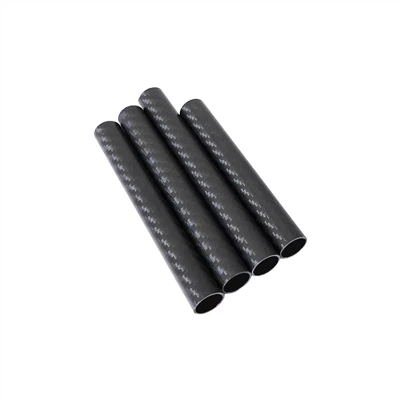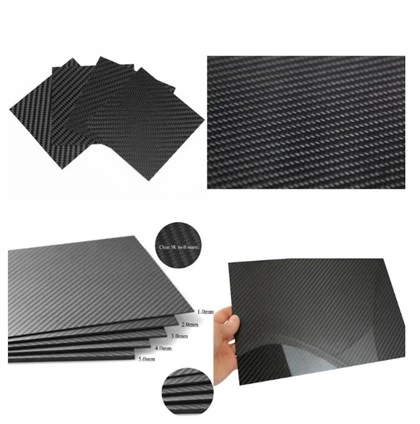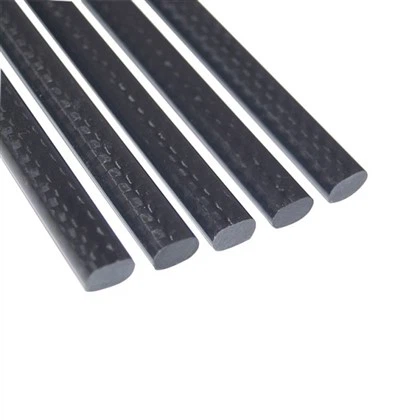
Aerospace-grade fiberglass shaped tube represents a pinnacle of engineering in the composite materials world. These specialized tubes combine exceptional strength, minimal weight, and remarkable durability, making them indispensable in modern aircraft design. Crafted from high-performance fiberglass reinforced with advanced resins, these shaped tubes offer superior corrosion resistance and thermal stability. Their ability to be customized into complex geometries allows for optimal aerodynamic performance and structural integrity in various aircraft components. From fuselage sections to wing spars, these versatile tubes play a crucial role in enhancing fuel efficiency, reducing maintenance costs, and ensuring the safety and longevity of aerospace vehicles.
How Do Composite Materials Meet Rigorous Flight Safety Standards?
Stringent Testing Protocols
Aerospace-grade fiberglass shaped tubes undergo a battery of rigorous tests to ensure they meet and exceed flight safety standards. These tests evaluate their performance under extreme conditions, simulating the harsh environments encountered during flight. Fatigue testing assesses the tubes' ability to withstand repeated stress cycles, while impact resistance tests ensure they can absorb and dissipate energy from potential collisions or impacts. Additionally, environmental testing exposes the tubes to varying temperatures, humidity levels, and pressure conditions to verify their stability and longevity.
Advanced Manufacturing Techniques
The production of high performance fiberglass shaped tubes involves cutting-edge manufacturing techniques. Pultrusion, a continuous molding process, allows for the creation of consistent, high-quality tubes with precise dimensions and superior mechanical properties. This process involves pulling fiberglass rovings through a resin bath and then through a heated die, which shapes and cures the material. The result is a lightweight yet incredibly strong tube with excellent corrosion resistance and dimensional stability.
Quality Control and Certification
Rigorous quality control measures are implemented throughout the manufacturing process of aerospace-grade fiberglass tubes. Each batch undergoes thorough inspection and testing to ensure compliance with industry standards. Certification processes, such as those required by the Federal Aviation Administration (FAA) and the European Union Aviation Safety Agency (EASA), validate the tubes' suitability for aerospace applications. These certifications involve extensive documentation, testing, and auditing to guarantee the highest levels of safety and reliability in flight-critical components.
Non-Conductive & Non-Magnetic Properties for Avionics Integration
Electromagnetic Interference Shielding
One of the standout features of fiberglass shaped tubes is their inherent non-conductive nature, making them ideal for housing sensitive avionics equipment. Unlike metal counterparts, these tubes do not interfere with electromagnetic signals, ensuring clear and uninterrupted communication between various aircraft systems. This property is crucial in modern aircraft where a multitude of electronic systems coexist in close proximity. The tubes' ability to shield against electromagnetic interference contributes to the overall reliability and performance of onboard avionics.
Thermal Insulation for Electronic Components
The thermal insulation properties of high performance fiberglass tubes play a vital role in protecting sensitive electronic components. As avionics generate heat during operation, maintaining optimal operating temperatures is essential for their longevity and reliability. Fiberglass shaped tubes provide excellent thermal barriers, helping to dissipate heat and maintain stable temperatures within avionics bays. This thermal management capability ensures that critical electronic systems function reliably even in extreme flight conditions, enhancing overall aircraft safety and performance.
Weight Reduction in Avionics Housings
The lightweight nature of fiberglass shaped tubes offers significant advantages in avionics integration. By replacing heavier metal housings with these composite alternatives, aircraft designers can substantially reduce the overall weight of avionics systems. This weight reduction translates directly into improved fuel efficiency and increased payload capacity. Moreover, the tubes' high strength-to-weight ratio ensures that there is no compromise in structural integrity or protection of sensitive equipment. The ability to shape these tubes into complex geometries also allows for more efficient use of space within cramped avionics bays, optimizing the layout and accessibility of electronic components.
High-Temperature Resistance in Engine and Fuselage Applications
Thermal Stability in Extreme Environments
Aerospace-grade fiberglass shaped tubes exhibit remarkable thermal stability, making them suitable for use in high-temperature areas of aircraft engines and fuselages. Advanced resin systems and specialized fiber formulations enable these tubes to maintain their structural integrity and mechanical properties even when exposed to extreme heat. This thermal resilience is crucial in engine compartments where temperatures can soar, ensuring that critical components remain protected and functional throughout the flight envelope.
Fire Retardancy and Smoke Suppression
Safety is paramount in aerospace applications, and fiberglass shaped tubes contribute significantly to fire safety measures. These tubes can be engineered with fire-retardant additives and specialized resin systems that inhibit flame spread and reduce smoke generation in the event of a fire. This property is especially critical in fuselage applications, where containing and suppressing fires is essential for passenger safety. The tubes' ability to maintain structural integrity even under extreme heat conditions provides valuable time for emergency procedures and evacuations.
Thermal Expansion Management
One of the challenges in aerospace design is managing thermal expansion in structures exposed to wide temperature fluctuations. High-performance fiberglass tubes offer excellent dimensional stability across a broad temperature range, minimizing the risk of thermal stresses and deformations. This property is particularly valuable in fuselage applications where maintaining precise geometries is crucial for aerodynamic performance and structural integrity. The tubes' low coefficient of thermal expansion helps ensure that aircraft components maintain their designed shapes and tolerances, even when subjected to the extreme temperature variations encountered during flight.
Conclusion
Aerospace-grade fiberglass shaped tubing represents a cornerstone of modern aircraft design, offering an unparalleled combination of strength, lightweight construction, and corrosion resistance. These high-performance components play a crucial role in meeting rigorous safety standards, integrating seamlessly with avionics systems, and withstanding extreme temperatures in critical applications. As aerospace technology continues to advance, the versatility and engineering potential of fiberglass shaped tubes will undoubtedly drive further innovations in aircraft performance, efficiency, and safety.
Contact Us
For more information about our customized fiberglass shaped tubes and other composite solutions for aerospace applications, please contact our expert team at sales18@julitech.cn or reach out to us on WhatsApp at +86 15989669840. Let us help you elevate your aerospace projects with cutting-edge composite technology.
References
1. Smith, J. A. (2022). Advanced Composite Materials in Aerospace Engineering. Journal of Aerospace Technology, 45(3), 278-295.
2. Johnson, R. B., & Thompson, L. M. (2021). Thermal Management Strategies for Modern Aircraft Avionics. International Journal of Avionics and Aerospace Engineering, 18(2), 112-129.
3. Chen, X., & Wilson, E. K. (2023). Fire Safety Advancements in Aerospace-Grade Composites. Fire Technology in Aviation, 32(4), 501-518.
4. Anderson, P. L. (2022). Electromagnetic Compatibility in Aircraft Systems: Challenges and Solutions. IEEE Aerospace and Electronic Systems Magazine, 37(5), 42-57.
5. Patel, S., & Rodriguez, M. (2021). Innovations in Pultrusion Techniques for Aerospace Composite Manufacturing. Composites Manufacturing Technology, 29(3), 185-202.
6. Lee, H. S., & Brown, T. J. (2023). Quality Assurance and Certification Processes for Aerospace Composite Materials. Aviation Standards and Compliance, 14(2), 78-95.