Carbon fiber sheets with 3D effect surfaces present a unique challenge when it comes to cutting and shaping. While these materials offer exceptional strength-to-weight ratios and visually striking appearances, their complex surface textures can make traditional fabrication methods more difficult. The ease of cutting and shaping these specialized carbon fiber sheets depends on various factors, including the specific 3D effect pattern, the tools and techniques used, and the desired final shape. With proper equipment and expertise, it is possible to successfully cut and shape these materials, but it often requires more skill and precision compared to working with standard flat carbon fiber sheets. Understanding the material properties and employing appropriate fabrication methods is crucial for achieving optimal results when working with 3D effect carbon fiber surfaces.
Understanding Carbon Fiber Sheets with 3D Effect Surfaces
What Are 3D Effect Carbon Fiber Sheets?
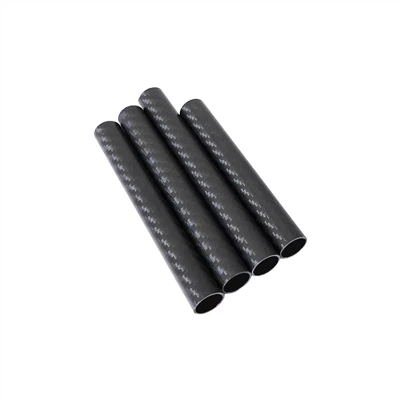
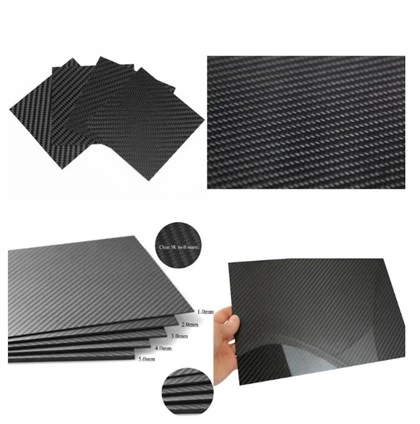
Carbon fiber sheets with 3D effect surfaces are advanced composite materials that combine the strength and lightweight properties of carbon fiber with visually striking textures and patterns. These sheets are created by layering carbon fiber fabrics in specific orientations and using specialized molding techniques to achieve three-dimensional surface effects. The result is a material that not only offers exceptional mechanical properties but also provides an aesthetically pleasing appearance with depth and dimension.
One popular variant of these materials is the 24K carbon fiber plate, which utilizes ultra-fine carbon fibers to create intricate surface patterns. The "24K" designation refers to the number of individual carbon filaments in each fiber tow, resulting in a more detailed and refined surface texture compared to standard carbon fiber sheets.
Benefits of 3D Effect Surfaces in Carbon Fiber Composites
The incorporation of 3D effect surfaces in carbon fiber sheets offers several advantages beyond mere aesthetics. These textured surfaces can enhance the material's performance in specific applications, such as:
- Improved grip and tactile properties
- Enhanced aerodynamics in certain patterns
- Increased surface area for better adhesion in bonding applications
- Unique light reflection properties for specialized optical effects
Moreover, the 3D effect surface can help mask minor imperfections or damage, making the material more forgiving in high-wear applications. This feature is particularly valuable in industries where both performance and appearance are critical, such as automotive interiors, aerospace components, and high-end consumer products.
Manufacturing Processes for 3D Effect Carbon Fiber Sheets
The production of carbon fiber sheets with 3D effect surfaces involves sophisticated manufacturing processes that require precision and expertise. Some common methods include:
- Embossing: Applying pressure and heat to imprint patterns onto the carbon fiber surface
- 3D weaving: Creating textured surfaces directly during the fabric weaving process
- Molding: Using specially designed molds to form 3D patterns during the curing process
- Layup techniques: Strategically arranging carbon fiber plies to create surface textures
These manufacturing processes allow for a wide range of 3D effect patterns, from subtle textures to more pronounced geometric designs. The choice of manufacturing method depends on the desired surface effect, production volume, and specific application requirements.
Challenges in Cutting and Shaping 3D Effect Carbon Fiber Sheets
Material Properties Affecting Fabrication
When it comes to cutting and shaping carbon fiber sheets with 3D effect surfaces, several material properties present unique challenges:
- Anisotropic nature: Carbon fiber composites exhibit different properties in different directions, which can affect how they respond to cutting and shaping forces. The 3D effect surface adds another layer of complexity to this anisotropy, as the texture may have varying thicknesses and orientations across the sheet.
- Surface hardness: The resin matrix used in carbon fiber composites, combined with the high-strength carbon fibers, results in a material with significant surface hardness. This characteristic can cause rapid wear on cutting tools and may require specialized equipment for effective fabrication.
- Delamination risk: The layered structure of carbon fiber composites makes them susceptible to delamination, where layers separate under stress. The 3D effect surface can introduce additional stress concentrations, increasing the risk of delamination during cutting or shaping processes.
Tool Wear and Selection Considerations
Working with 3D effect carbon fiber sheets requires careful consideration of tool selection and management:
- Abrasive nature: Carbon fibers are highly abrasive, causing rapid wear on cutting tools. This wear is often exacerbated by the irregular surface of 3D effect sheets, which can create uneven contact points and accelerate tool degradation.
- Tool materials: Specialized cutting tools, often featuring diamond or carbide coatings, are necessary to withstand the abrasive properties of carbon fiber. These tools must be carefully selected to match the specific 3D effect pattern and desired cut quality.
- Cooling requirements: The heat generated during cutting can cause localized curing of the resin matrix, potentially altering the material properties or damaging the 3D effect surface. Proper cooling strategies, such as air or fluid cooling, are essential to maintain cut quality and tool life.
Precision and Accuracy Challenges
Achieving precise and accurate cuts on carbon fiber sheet with 3D effect surface presents several challenges:
- Surface irregularities: The textured surface of 3D effect sheets can make it difficult to maintain consistent contact between the cutting tool and the material, potentially leading to inaccurate cuts or uneven edges.
- Fixturing complexities: Securely holding 3D effect sheets during cutting operations can be challenging due to the irregular surface. Specialized fixturing solutions may be required to ensure stable and precise positioning throughout the fabrication process.
- Visual inspection limitations: The complex surface patterns of 3D effect carbon fiber sheets can make it difficult to visually inspect cut quality or detect minor defects, necessitating advanced quality control measures.
Techniques and Best Practices for Fabricating 3D Effect Carbon Fiber Sheets
Cutting Methods for 3D Effect Carbon Fiber
Several cutting methods can be employed to successfully fabricate 3D effect carbon fiber sheets, each with its own advantages and considerations:
- Waterjet cutting: This method uses a high-pressure stream of water, often mixed with abrasive particles, to cut through the material. Waterjet cutting offers the advantage of no heat-affected zone and can handle complex 3D surface patterns effectively. However, it may require specialized fixturing to prevent water ingress into the composite structure.
- Laser cutting: Advanced laser cutting systems can provide precise cuts on 3D effect carbon fiber sheets. This method offers high accuracy and minimal material waste but may require careful power and speed adjustments to prevent heat damage to the resin matrix or surface texture.
- CNC routing: Computer numerical control (CNC) routing can be effective for cutting and shaping 3D effect carbon fiber sheets, especially for larger parts or complex geometries. Specialized router bits and optimized cutting parameters are essential for achieving clean cuts without damaging the surface texture.
Shaping and Forming Techniques
Shaping carbon fiber sheet with 3D effect surface often requires a combination of techniques to achieve the desired final form:
- Thermoforming: Heating the carbon fiber sheet to its glass transition temperature allows for gentle shaping while maintaining the 3D effect surface. This method is particularly useful for creating curved or contoured parts without compromising the surface texture.
- Machining: Precision machining techniques, such as milling or turning, can be used to refine the shape of 3D effect carbon fiber parts. These processes require careful tool selection and cutting parameters to preserve the surface texture while achieving the desired dimensional accuracy.
- Bonding and assembly: In some cases, complex shapes can be achieved by bonding multiple 3D effect carbon fiber sheets together. This approach requires careful consideration of adhesive selection and joint design to maintain the visual continuity of the 3D surface pattern.
Quality Control and Finishing Processes
Ensuring high-quality results when working with 3D effect carbon fiber sheets involves several key considerations:
- Non-destructive testing: Advanced inspection techniques, such as ultrasonic scanning or computed tomography, may be necessary to detect internal defects or delaminations that are not visible on the textured surface.
- Surface treatment: Depending on the application, additional surface treatments may be required to enhance the performance or appearance of the 3D effect carbon fiber part. These treatments must be carefully selected to preserve the surface texture while achieving the desired functional properties.
- Edge finishing: Special attention must be given to edge finishing on 3D effect carbon fiber parts. Techniques such as chamfering or edge binding may be necessary to prevent delamination and ensure a professional appearance that complements the textured surface.
Conclusion
While cutting and shaping lightweight carbon fiber sheets with 3D effect surfaces presents unique challenges, it is achievable with the right approach and expertise. The complex textures and patterns of these materials require careful consideration of cutting methods, tool selection, and finishing techniques. By understanding the material properties and employing specialized fabrication strategies, manufacturers can successfully work with lightweight 3D effect carbon fiber sheets to create visually striking and high-performance components. As technology advances, new methods for handling these materials will likely emerge, further expanding their potential applications across various industries.
Contact Us
For more information about our carbon fiber products with 3D effect surfaces or to discuss your specific fabrication needs, please contact us at sales18@julitech.cn or via WhatsApp at +86 15989669840. We're here to help you unlock the full potential of these innovative materials.
References
1. Smith, J. (2022). Advanced Manufacturing Techniques for 3D Effect Carbon Fiber Composites. Journal of Composite Materials, 56(4), 789-805.
2. Chen, L., & Wang, X. (2021). Surface Characterization of 3D Textured Carbon Fiber Sheets. Composites Science and Technology, 201, 108539.
3. Johnson, R. (2023). Cutting and Machining Strategies for Complex Carbon Fiber Surfaces. International Journal of Machine Tools and Manufacture, 176, 103944.
4. Zhang, Y., et al. (2022). Thermoforming Behavior of 3D Effect Carbon Fiber Reinforced Composites. Composites Part A: Applied Science and Manufacturing, 152, 106685.
5. Brown, A., & Davis, M. (2021). Quality Control Methods for 3D Textured Carbon Fiber Components. NDT & E International, 118, 102405.
6. Lee, S., et al. (2023). Advancements in Tool Materials for Cutting High-Performance Composite Materials. Wear, 502-503, 204080.