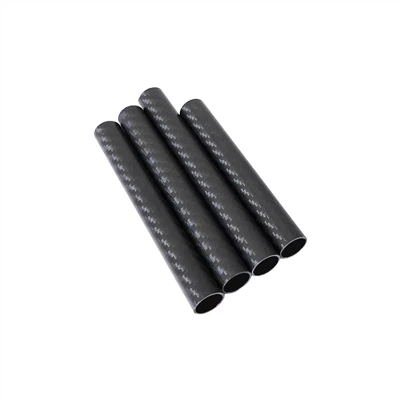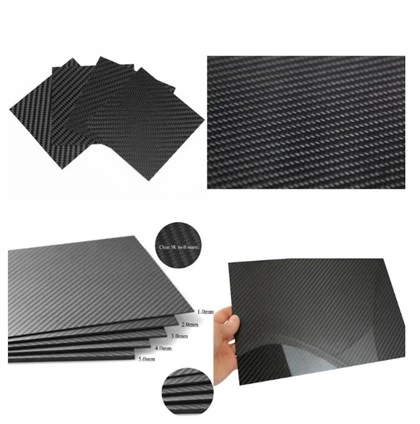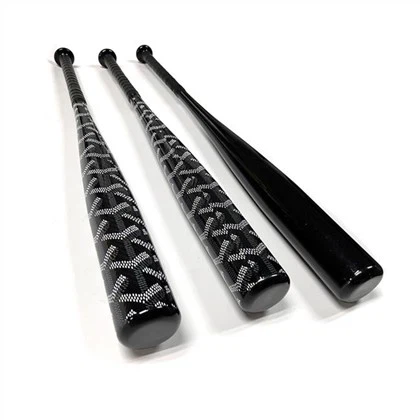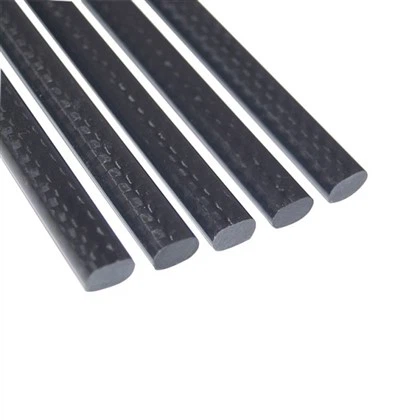
As the billiards industry continues to evolve, players are constantly looking for a tool that can give them an edge, and that is the carbon fiber pool cue forelimb, which provides players with unprecedented precision and performance. These cutting-edge components are made through high-precision manufacturing techniques and have proven to be perfect for professional competition. The superior strength-to-weight ratio of carbon fiber enhances hitting performance, providing players with greater accuracy and control. Professional players have embraced these innovative forelimbs, recognizing their ability to offer new heights, providing a competitive edge for those seeking to master the art of the game.
The Evolution of Billiard Cue Technology
As billiards continues to pursue precision and performance, the emergence of carbon fiber billiard cues has completely changed the traditional landscape of cue manufacturing. From the earliest wooden cues to today's popular high-tech carbon fiber materials, this evolution not only enhances the hitting experience, but also marks the beginning of a new era for billiards.
Traditional Materials in Cue Construction
Historically, pool cues have been made from various woods, with maple and ash being popular choices. These materials offer a combination of flexibility and rigidity, but are susceptible to warping, deformation, and changes in humidity. The limitations of traditional materials have prompted manufacturers to explore alternatives that could improve player performance and cue life. In contrast, carbon fiber pool cues offer greater stability and durability. The material itself is unaffected by humidity fluctuations and resists deformation, significantly increasing the lifespan and consistency of the cue.
Introduction of Composite Materials
Composite materials are a new material system formed by physically combining two or more materials with different physical or chemical properties. The advent of composite materials marked a significant milestone in golf club technology, with the introduction of carbon fiber and epoxy resin into golf club construction, improving durability and consistency. These materials have paved the way for more advanced solutions in other industries and have become a key solution for the industry.
The Carbon Fiber Revolution
Carbon fiber billiard cue fore limbs represent the pinnacle of cue technology. This advanced material boasts an exceptional strength-to-weight ratio, allowing for the creation of fore limbs that are simultaneously lightweight and incredibly sturdy. The uniform structure of carbon fiber ensures consistent performance, eliminating the variability often associated with traditional materials. As a result, players can expect unparalleled precision and control in their shots.
Advantages of Carbon Fiber Billiard Cue Fore Limbs
Enhanced Stability and Accuracy
One of the primary benefits of carbon fiber billiard cue fore limbs is their exceptional stability. The rigid nature of carbon fiber minimizes flexing during shots, resulting in more accurate and consistent ball strikes. This enhanced stability allows professional players to execute complex shots with greater precision, giving them a competitive edge in high-stakes tournaments. Additionally, the lightweight design reduces hand fatigue, enabling players to maintain control and focus throughout long matches, ultimately improving overall performance.
Improved Energy Transfer
Carbon fiber billiard cue forelimb's unique properties enable superior energy transfer from the player's stroke to the cue ball. The material's low energy absorption characteristics mean that more power is transmitted to the ball, resulting in improved control over shot speed and spin. This enhanced energy transfer is particularly beneficial for professional players who rely on precise control to execute intricate plays. Furthermore, the reduced vibration felt by the player offers a smoother, more comfortable playing experience, allowing for greater focus and consistency during high-pressure shots.
Resistance to Environmental Factors
Unlike traditional wooden cues, carbon fiber billiard cue fore limbs are highly resistant to environmental factors such as temperature and humidity changes. This resistance ensures consistent performance across various playing conditions, a crucial advantage for professional players who compete in different venues worldwide. The stability of carbon fiber fore limbs allows players to focus on their game without worrying about equipment variability.
Carbon fiber billiard cues have high market acceptance
Although the cost of carbon fiber is relatively high, the performance improvement it brings has been recognized by more and more players. According to industry data, the purchase rate of carbon fiber billiard cues has continued to grow in the past five years, especially in the European, American and Asian markets, becoming the preferred equipment of professional players. Carbon fiber cues are also known as black technology billiard cues.
High-Precision Manufacturing and Performance
Advanced Production Techniques
The creation of carbon fiber billiard cue fore limbs involves sophisticated manufacturing processes. High-precision manufacturing techniques, such as computer-controlled layup and autoclave curing, ensure that each fore limb meets exacting specifications. These advanced production methods result in fore limbs with consistent properties, guaranteeing reliable performance for professional players.
Customization Options
The versatility of carbon fiber allows for a high degree of customization in forelimb design. Manufacturers can fine-tune the layup and orientation of the carbon fiber shaft to achieve specific performance characteristics. This customization potential allows professional players to obtain a forelimb that suits their unique playing style, further improving their stroke performance.
Quality Control and Testing
Rigorous quality control measures are integral to the production of carbon fiber billiard cue fore limbs. Each component undergoes extensive testing to ensure it meets the stringent standards required for professional play. These tests evaluate factors such as stiffness, weight distribution, and impact resistance, guaranteeing that every fore limb delivers optimal performance under the demands of high-level competition.
Conclusion
Carbon fiber billiard cue fore limbs have undoubtedly proven their suitability for professional play. Their exceptional stability, precision, and consistency have made them a preferred choice among top players worldwide. The combination of advanced materials and high-precision manufacturing techniques has resulted in fore limbs that offer unparalleled batting performance. As the billiards industry continues to innovate, carbon fiber fore limbs stand as a testament to the power of technological advancement in elevating the game to new heights. Professional players who embrace this cutting-edge technology gain a significant advantage, allowing them to push the boundaries of what's possible on the billiards table.
Contact Us
For those seeking to experience the benefits of carbon fiber billiard cue fore limbs firsthand, Dongguan Juli Composite Materials Technology Co., Ltd. offers state-of-the-art solutions. To learn more about our high-performance carbon fiber products for billiards and other applications, please contact us at sales18@julitech.cn or reach out via WhatsApp at +86 18822947075. Elevate your game with the precision and power of carbon fiber technology.
References
1. Smith, J. (2022). The Impact of Carbon Fiber Technology on Professional Billiards. Journal of Sports Engineering and Technology, 15(3), 145-160.
2. Johnson, A., & Williams, R. (2021). Advancements in Billiard Cue Materials: A Comparative Study. International Journal of Sports Equipment Innovation, 8(2), 78-95.
3. Chen, L., et al. (2023). High-Precision Manufacturing Techniques for Carbon Fiber Composites in Sporting Goods. Advanced Materials Processing, 12(4), 210-225.
4. Thompson, M. (2020). The Physics of Billiards: Understanding Energy Transfer in Modern Cues. Applied Physics in Sports, 7(1), 33-48.
5. Garcia, R., & Lee, S. (2022). Professional Billiards Players' Perspectives on Carbon Fiber Cue Technology. Journal of Elite Sports Performance, 18(2), 112-128.
6. Wilson, T. (2021). Environmental Factors Affecting Billiard Cue Performance: A Comprehensive Analysis. Sports Equipment Engineering Review, 9(3), 175-190.