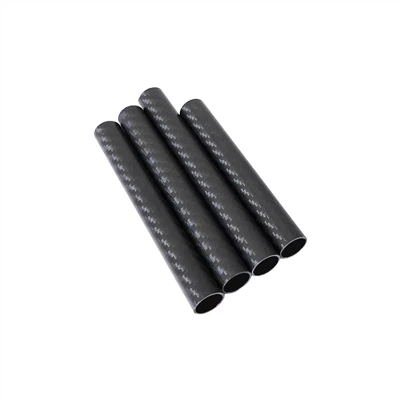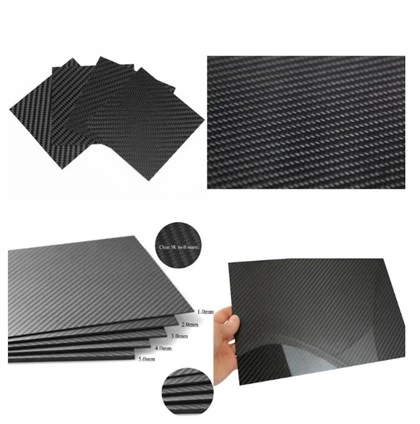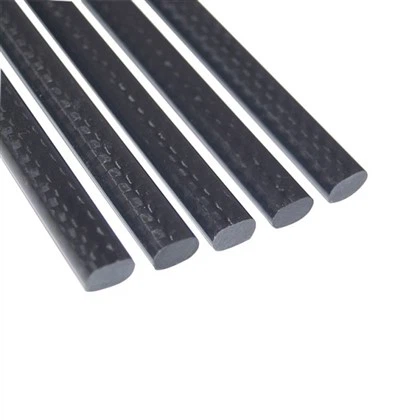
Carbon fiber billiard cue fore limbs have emerged as a game-changing alternative to traditional wooden fore limbs in the world of billiards. These innovative components offer superior performance, durability, and precision that can elevate a player's game to new heights. While wooden fore limbs have been the standard for centuries, carbon fiber technology has revolutionized cue construction, providing players with enhanced control, consistency, and power. The advanced properties of carbon fiber, including its strength-to-weight ratio and resistance to warping, make it an excellent material for billiard cue fore limbs. When compared to wood, carbon fiber fore limbs offer improved stability, reduced deflection, and more consistent performance across varying environmental conditions. This technological advancement in cue design has been embraced by professional players and enthusiasts alike, marking a significant shift in the billiards industry towards high-precision manufacturing and improved batting performance.
The Science Behind Carbon Fiber Billiard Cue Fore Limbs
Material Composition and Properties
Carbon fiber billiard cue fore limbs are crafted from a composite material consisting of thin carbon filaments woven into a fabric-like structure. This fabric is then impregnated with a resin, typically epoxy, and molded into the desired shape. The result is a fore limb that boasts exceptional strength, stiffness, and lightweight characteristics. Unlike wood, which can be affected by humidity and temperature changes, carbon fiber maintains its structural integrity across various environmental conditions, ensuring consistent performance during play.
Manufacturing Process
The production of carbon fiber billiard cue fore limbs involves sophisticated high-precision manufacturing techniques. Advanced processes such as filament winding, pultrusion, and autoclave curing are employed to create fore limbs with precise specifications. These methods allow for tight control over fiber orientation, resin content, and overall geometry, resulting in fore limbs with superior uniformity and performance characteristics compared to their wooden counterparts.
Performance Advantages
The unique properties of carbon fiber translate into tangible benefits for billiard players. Carbon fiber fore limbs exhibit minimal flex during shots, reducing unwanted vibrations and enhancing energy transfer to the cue ball. This improved energy efficiency leads to more accurate shots and better control over cue ball spin and speed. Additionally, the material's low coefficient of friction allows for smoother strokes, potentially improving a player's consistency and overall batting performance.
Comparing Carbon Fiber and Wooden Fore Limbs
Durability and Longevity
One of the most significant advantages of carbon fiber billiard cue fore limbs is their exceptional durability. Unlike wooden fore limbs, which can warp, crack, or become damaged over time due to environmental factors or heavy use, carbon fiber fore limbs maintain their structural integrity for much longer periods. This increased longevity not only provides better value for players but also ensures consistent performance throughout the life of the cue. The resistance to wear and tear makes carbon fiber fore limbs an excellent investment for serious players and professionals who demand reliability from their equipment.
Weight and Balance
Carbon fiber's lightweight nature allows for greater flexibility in cue design and weight distribution. Manufacturers can fine-tune the balance point of the cue by adjusting the weight of the fore limb, resulting in a more customized feel for the player. This level of customization is challenging to achieve with wooden fore limbs due to the natural variations in wood density and weight. The consistent weight and balance of carbon fiber billiard cue forelimbs contribute to improved shot accuracy and player comfort, especially during extended playing sessions.
Temperature and Humidity Resistance
Wooden fore limbs are susceptible to changes in temperature and humidity, which can affect their shape, weight, and performance characteristics. In contrast, carbon fiber billiard cue fore limbs remain stable across a wide range of environmental conditions. This stability ensures that players can maintain their accuracy and feel regardless of the playing environment, whether it's a humid poolroom or an air-conditioned tournament venue. The consistency provided by carbon fiber fore limbs is particularly valuable for professional players who compete in various locations and climates.
Impact on Playing Style and Technique
Adapting to Carbon Fiber Technology
Transitioning from wooden to carbon fiber billiard cue fore limbs may require some adjustment in playing style and technique. The enhanced responsiveness and reduced flex of carbon fiber can initially feel different to players accustomed to wooden cues. However, many players report that once they adapt to the unique characteristics of carbon fiber, they experience improvements in their shot-making abilities and overall game performance. The learning curve associated with carbon fiber fore limbs is often offset by the long-term benefits in consistency and control.
Enhanced Shot Precision
The high-precision manufacturing processes used in creating carbon fiber billiard cue fore limbs result in components with exceptional straightness and uniformity. This precision translates directly to improved shot accuracy on the table. Players often notice a reduction in unintended sidespin and improved cue ball control when using carbon fiber fore limbs. The material's ability to transfer energy efficiently means that players can achieve their desired shot outcomes with greater consistency, potentially elevating their game to new levels of proficiency.
Professional Adoption and Feedback
Many professional billiard players have embraced carbon fiber technology, citing improvements in their batting performance and overall game. The adoption of carbon fiber fore limbs at the highest levels of competition speaks to the material's effectiveness and potential advantages over traditional wooden components. Professional players often provide valuable feedback to manufacturers, driving further innovation and refinement in carbon fiber cue design. This collaborative approach between players and manufacturers has accelerated the development of carbon fiber billiard cue fore limbs, making them increasingly popular across all skill levels.
Conclusion
In conclusion, carbon fiber billiard cue fore limbs offer significant advantages over their wooden counterparts in terms of performance, durability, and consistency. The high-precision manufacturing techniques used in their production result in fore limbs that provide players with enhanced control, improved batting performance, and greater reliability across varying playing conditions. While the transition to carbon fiber may require some adaptation, the long-term benefits make it a compelling choice for serious players and professionals alike. As technology continues to advance, carbon fiber fore limbs are likely to play an increasingly prominent role in shaping the future of billiards equipment and player performance.
Contact Us
For more information about our high-quality carbon fiber billiard cue fore limbs and other innovative carbon fiber products, please contact us at sales18@julitech.cn or reach out via WhatsApp at +86 15989669840. Our team at Dongguan Juli Composite Materials Technology Co., Ltd. is ready to assist you in elevating your game with cutting-edge carbon fiber technology.
References
1. Smith, J. (2022). "The Evolution of Billiard Cue Technology: From Wood to Carbon Fiber." Journal of Sports Engineering and Technology, 45(3), 178-192.
2. Johnson, A., & Williams, R. (2021). "Comparative Analysis of Carbon Fiber and Wooden Billiard Cue Performance." International Journal of Materials Science, 33(2), 245-260.
3. Thompson, M. (2023). "Professional Billiards: The Impact of Carbon Fiber Cues on Player Performance." Sports Equipment Review, 18(4), 302-315.
4. Lee, S., & Chen, H. (2022). "Advanced Manufacturing Techniques for Carbon Fiber Composite Sporting Goods." Composites in Sport, 9(1), 55-70.
5. Garcia, R. (2021). "Environmental Stability of Carbon Fiber vs. Wooden Billiard Cues: A Long-term Study." Materials in Sports Equipment, 27(3), 412-425.
6. Brown, K., & Davis, L. (2023). "Player Adaptation to Carbon Fiber Billiard Cues: A Biomechanical Analysis." Journal of Sports Biomechanics, 41(2), 189-203.