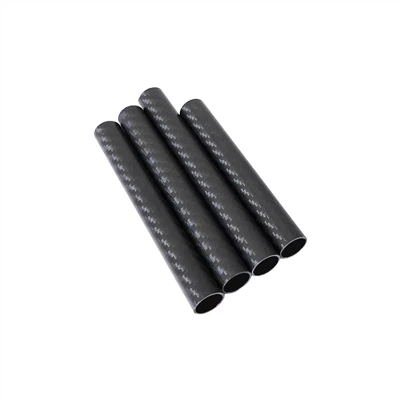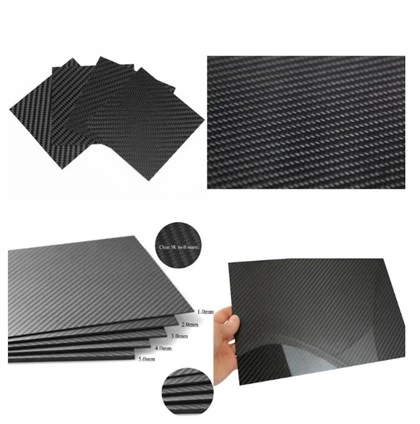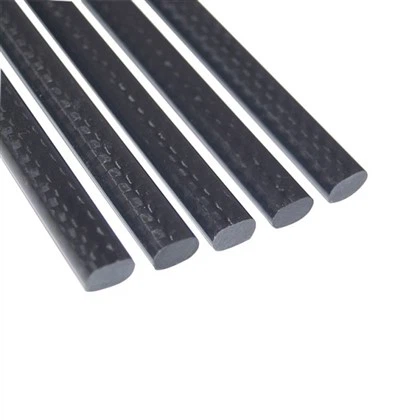
In the pursuit of the ultimate listening experience, every component of a headphone plays a crucial role. While enthusiasts often debate the merits of planar versus dynamic drivers, or the acoustic transparency of open versus closed-back designs, the headband-the structural element that connects all the components-often receives less attention. Yet, the headband largely defines comfort, long-term durability, and even the nuances of sonic performance. In the world of high-end audio, a growing number of manufacturers are turning to a cutting-edge material for this critical component: carbon fiber. Carbon fiber headphone headbands represent a significant leap forward, offering an unparalleled combination of strength, lightness, and acoustic stability that traditional materials like plastic and metal simply cannot match.
What is a Carbon Fiber Headphone Headband and Why is It Used in Premium Audio?
The carbon fiber headband, which serves as the primary structural arch of the headphones, is made from a carbon fiber composite. This composite is created by weaving ultrafine crystalline carbon filaments into a fabric-like material, then infusing it with a polymer resin (most commonly epoxy). Under heat and pressure, the material cures into a strong, lightweight, and highly durable component. Its widespread use in high-performance applications such as aerospace, Formula 1 racing, and premium sporting goods is due to its exceptional strength-to-weight ratio-a quality that makes it an ideal choice for premium audio equipment.
A carbon fiber headband enables designers to create a frame that's stronger and lighter than those made from steel, aluminum, or plastic. This means the headphones can withstand the demands of everyday use without the stress cracks common in plastic designs. But carbon fiber's appeal goes beyond durability. Its inherent rigidity is crucial for maintaining the acoustic integrity of the headphones. The headband and yoke must maintain consistent, stable clamping force to ensure the earcups form an effective acoustic seal. Any flex or resonance in this structure can weaken the seal, reduce bass response, and compromise noise isolation. The stiffness of carbon fiber prevents these micro-vibrations and unwanted resonances, ensuring the driver's sound reaches the ear with full fidelity.
Beyond its performance, carbon fiber's sleek, technical aesthetic conveys premium craftsmanship and high performance, making it a sought-after feature in luxury headphone designs. Brands like Focal and Audeze have showcased not only its striking appearance but also the measurable acoustic and structural advantages it offers. Ultimately, carbon fiber headphone headbands are a prime example of engineering precision-leveraging material science to enhance durability and the listening experience.
How do carbon fiber headbands improve comfort and ergonomics?
The biggest ergonomic advantage of a carbon fiber headband is its significant weight reduction. Comfort is crucial for extended listening, and excess weight is a major culprit for discomfort. Heavy headphones create pressure points, particularly "hot spots" on the top of the head, which can lead to fatigue over time. By switching to lightweight carbon fiber headbands, manufacturers can save significant grams compared to metal or plastic headbands. For example, Audeze offers a carbon fiber headband that weighs just 60 grams, significantly improving the comfort of its already powerful planar magnetic headphones.
This weight reduction not only reduces pressure on the wearer's head, but also enables hours of fatigue-free listening. The strength of carbon fiber allows for a more skeletal, minimalist design, often combined with a suspension strap system that intelligently distributes the remaining weight over a larger area. The combination of a rigid outer carbon fiber headband and a flexible inner leather or fabric strap is a hallmark of superior ergonomics in headphone design.
This approach, common in high-end Audeze designs, would be far less effective if made from plastic, which would deform over time, or heavier materials like steel, which would negate the improved comfort. Carbon fiber offers a delicate balance of stiffness, weight distribution, and structural integrity, resulting in a highly ergonomic design. This long-term comfort is a critical factor for professionals and dedicated listeners who wear headphones for hours each day.
What are the advantages of carbon fiber headphone headband durability and lifespan?
Purchasing high-end headphones is a lasting investment, so durability is crucial, and this is where carbon fiber headbands truly surpass the competition. Known for their exceptional resistance to fatigue and environmental stress, carbon fiber headbands maintain their structural integrity indefinitely. Unlike plastic, which becomes brittle and cracks with prolonged exposure to UV rays and temperature fluctuations, carbon fiber resists this degradation. It also avoids the creep, or deformation, that can cause plastic and some metal headbands to lose their clamping strength over time. As a result, headphones with carbon fiber headbands will fit just as securely and perform just as consistently the thousandth time they're used as they did the first time.
Carbon fiber's inherent toughness also makes it less susceptible to accidental drops and knocks-a common hazard for headphone owners. While a plastic headband might break in such situations, the carbon fiber version is more likely to survive unscathed, giving you peace of mind and protecting the substantial investment these premium headphones represent. While the earpads may eventually wear out, the core structure of the carbon fiber headband is built to last.
Conclusion
The carbon fiber headband represents a perfect fusion of materials science and high-fidelity audio design. It's more than just a stylistic flourish; it's a deliberate engineering choice that delivers measurable improvements in comfort, durability, and sound quality. With its unmatched strength-to-weight ratio, carbon fiber makes the headphones incredibly lightweight yet incredibly strong, reducing listener fatigue while ensuring a lifetime of structural integrity.
Its natural stiffness and vibration-damping properties are equally important for acoustics, providing a stable, resonance-free foundation for maintaining a perfect and consistent acoustic seal. This ensures the audio remains pure and uncolored, allowing listeners to experience the sound's full potential. By addressing common industry challenges such as headband breakage and uneven weight distribution, carbon fiber offers a refined solution unmatched by traditional materials. For those who value superior ergonomics and uncompromising sonic fidelity, a carbon fiber headband is not a luxury, but a necessity that defines the pinnacle of modern headphone engineering.
Contact Us
Are you ready to explore custom carbon fiber headphone straps? Our team of experts is ready to help you navigate the complexities of advanced composite materials and find the perfect solution for your unique needs. Contact us today to discuss your project requirements and learn more about our innovative carbon fiber applications, which can help you elevate your products to new heights of performance and efficiency. Contact us at sales18@julitech.cn or via WhatsApp at +86 18822947075 to begin your journey to cutting-edge composite solutions.
References
Audeze LLC. (n.d.). LCD Carbon Fiber Headband, Leather. Audeze.[3]
Focal. (n.d.). Utopia - Reference open-back hi-fi headphones. Focal.[4]
Di Rosario, C. (2017, February 21). Focal Utopia headphones. Hi-Fi+.[10]
Moon Audio. (2022, September 15). Focal Utopia 2022 Headphone Review. Moon Audio.[16]
Roon Labs Community. (2021, April 12). LCD Carbon Fiber Headband - Audeze.[9]
Passionate-PA. (2020, April 27). Would a carbon fiber make a headphone sound better?. Quora.[18]