The global demand for lightweight, high-strength composite materials has increased rapidly in recent years. Industries such as aerospace, automotive, renewable energy, robotics, medical equipment, sporting goods, and industrial automation are increasingly replacing traditional metals with advanced composites. Among these materials, carbon fiber products have become one of the most important solutions because of their excellent strength-to-weight ratio, corrosion resistance, fatigue performance, and design flexibility.
As China has developed a complete composite manufacturing supply chain, many international companies are considering importing carbon fiber products from China to reduce procurement costs, access customized manufacturing capabilities, and obtain faster production support. However, importing carbon fiber products from China is not simply a matter of finding a low-cost supplier. Carbon fiber is a technical material, and product performance depends heavily on raw materials, manufacturing processes, quality control systems, and engineering experience.
For overseas buyers, understanding the key factors involved in importing carbon fiber products from China can significantly reduce purchasing risks and help establish reliable long-term supplier relationships.
Why Is Importing Carbon Fiber Products from China Different From Buying Ordinary Industrial Products?
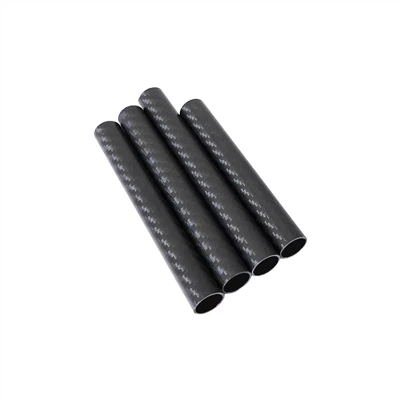
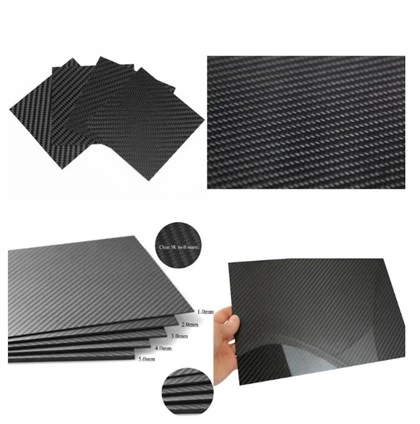
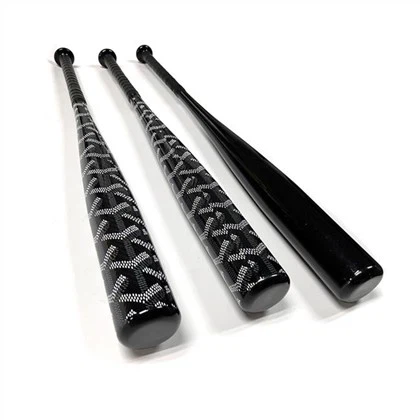
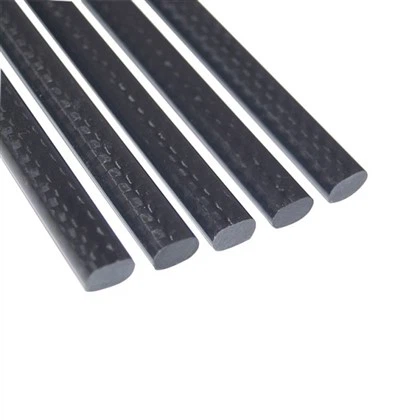
Many buyers underestimate the complexity of importing carbon fiber products from China because carbon fiber components often look simple from the outside. A carbon fiber tube, plate, rod, or custom component may appear similar between suppliers, but internal structures can be completely different.
Unlike aluminum or steel parts, carbon fiber products are anisotropic composite materials. Their mechanical properties depend on fiber orientation, resin system, curing conditions, laminate design, and manufacturing process.
For example, a carbon fiber plate manufactured with high-quality unidirectional prepreg and autoclave curing will have significantly different strength and durability compared with a low-cost plate produced with inferior fabric and uncontrolled molding conditions.
When companies begin importing carbon fiber products from China, they need to understand several technical factors:
| Factor | Why It Matters | Potential Risk |
|---|---|---|
| Carbon fiber grade | Determines strength, stiffness, and application suitability | Product failure under load |
| Fiber orientation | Controls mechanical performance direction | Unexpected deformation |
| Resin system | Affects temperature resistance and durability | Cracking or delamination |
| Manufacturing process | Determines consistency and reliability | Quality variation between batches |
| Inspection method | Ensures product meets specifications | Increased rejection rate |
A professional carbon fiber supplier should not only provide products but also provide engineering support, material recommendations, production documentation, and inspection reports.
For companies importing carbon fiber products from China, supplier capability is often more important than the initial purchase price.
What Carbon Fiber Products Can International Buyers Import From China?
China's carbon fiber manufacturing industry has expanded from raw material production to advanced composite component manufacturing. Today, overseas buyers can source a wide range of carbon fiber products from Chinese manufacturers.
Common categories include:
| Product Category | Typical Applications | Key Purchasing Considerations |
| Carbon fiber tubes | UAVs, robotics, telescopic structures, sports equipment | Diameter tolerance, wall thickness, fiber direction |
| Carbon fiber sheets/plates | Industrial equipment, automotive parts, electronics | Thickness accuracy, flatness, surface finish |
| Carbon fiber rods | Fishing rods, sports equipment, structural supports | Stiffness, impact resistance |
| Carbon fiber prepreg | Aerospace, high-performance composites | Resin content, curing temperature, shelf life |
| Custom carbon fiber components | Medical equipment, automation systems | Engineering capability and machining accuracy |
When importing carbon fiber products from China, buyers should clearly define product requirements before requesting quotations.
Important specifications include:
- Carbon fiber type (T300, T700, T800, etc.)
- Weave style (plain, twill, unidirectional)
- Thickness and dimensions
- Surface finish requirements
- Mechanical performance requirements
- Temperature resistance
- Production volume
- Testing standards
A detailed technical specification sheet allows manufacturers to provide accurate pricing and avoid misunderstandings during production.

How Do You Choose a Reliable Supplier When Importing Carbon Fiber Products from China?
Selecting the correct supplier is one of the most important steps in importing carbon fiber products from China. The carbon fiber industry includes manufacturers with very different capabilities. Some companies specialize only in decorative carbon fiber parts, while others have advanced composite engineering and industrial production experience.
A reliable supplier should demonstrate:
Manufacturing Experienc
Experience is of vital importance because the manufacturing of composite materials involves numerous variables. Processes such as pultrusion molding, tube winding, compression molding, vacuum bagging, autoclave curing, and CNC machining all require specialized knowledge.
Quality Management System
International buyers should check whether the supplier follows recognized quality management practices.
ISO 9001 is widely used as a framework for quality management systems and helps manufacturers standardize processes, documentation, and continuous improvement.
During importing carbon fiber products from China, buyers should request:
- Material certificates
- Inspection reports
- Dimensional inspection records
- Batch traceability information
- Mechanical testing data
How Much Does Importing Carbon Fiber Products from China Cost?
Cost analysis is another critical factor before importing carbon fiber products from China.
Many international buyers initially focus only on unit price. However, the total purchasing cost includes much more than manufacturing price.
The total cost normally includes:
Total Import Cost = Product Cost + Tooling Cost + Quality Inspection Cost + Packaging Cost + Shipping Cost + Import Duties + Potential Risk Cost.
A cheaper supplier may create higher long-term expenses if products have inconsistent quality, delayed delivery, or high rejection rates.
Main Factors Affecting Carbon Fiber Product Pricing
| Cost Factor | Impact on Price | Explanation |
| Carbon fiber grade | High | Higher-grade fibers increase material cost |
| Manufacturing process | High | Autoclave and precision molding require advanced equipment |
| Product complexity | Medium to High | Complex geometry requires more engineering time |
| Order quantity | Medium | Larger volumes reduce average cost |
| Surface requirements | Medium | Decorative finishes require additional processing |
| Testing requirements | Medium | Additional inspection increases cost |
Manufacturing Process Influence on Cost
Different carbon fiber manufacturing methods have different cost structures.
Pultrusion

Pultrusion is suitable for continuous carbon fiber profiles such as rods and tubes. It provides:
- High production efficiency
- Consistent mechanical properties
- Lower cost for large quantities
Autoclave Manufacturing
Autoclave processing provides excellent laminate quality through controlled temperature and pressure.
Advantages:
- High fiber volume fraction
- Low void content
- Excellent mechanical performance
However, the process requires expensive equipment and skilled operators, making it more suitable for aerospace and high-performance applications.

Compression Molding

Compression molding is widely used for mass-produced carbon fiber components.
Advantages:
- Short production cycle
- Suitable for automotive applications
- Good repeatability
When importing carbon fiber products from China, understanding the manufacturing process helps buyers determine whether the quotation is reasonable.
What Are the Future Trends for Importing Carbon Fiber Products from China?
The carbon fiber industry continues to expand as industries worldwide focus on lightweight design, energy efficiency, and high-performance materials.According to reports from market research organizations such as MarketsandMarkets, the global carbon fiber market is expected to continue growing due to increasing demand from aerospace, automotive, wind energy, and sporting goods industries.
Several trends are influencing future opportunities:
Growth of Lightweight Manufacturing
Automotive manufacturers are increasingly adopting composite materials to reduce vehicle weight and improve energy efficiency.For electric vehicles, reducing structural weight can contribute to improved driving range and battery efficiency.
Increasing Demand for Custom Composite Components
Modern industries require more customized solutions rather than standardized materials.
Applications include:
- Robotic arms
- UAV structures
- Semiconductor equipment
- Medical devices
- Precision machinery
This creates opportunities for manufacturers with strong engineering capabilities.
Frequently Asked Questions About Importing Carbon Fiber Products from China
Q: Is importing carbon fiber products from China cheaper than buying locally?
A: In many cases, importing carbon fiber products from China can reduce procurement costs because China has developed a complete composite manufacturing supply chain.
Q: What industries commonly import carbon fiber products from China?
A: Aerospace,UAV manufacturing,Automotive,Robotics,Sports equipment,Medical equipment,Industrial machinery and Renewable energy
Q: How can I verify a Chinese carbon fiber supplier?
A: Before importing carbon fiber products from China, buyers should check: Factory background Production equipment Quality certifications Customer references Sample quality Engineering capability
Conclusion
For global companies, importing carbon fiber products from China provides significant opportunities to access advanced composite manufacturing capabilities, competitive production costs, and customized engineering solutions.However, successful procurement requires more than finding a supplier with a low quotation.Choosing the right manufacturer can help companies achieve better product performance, lower production risks, and more stable supply chains.A professional carbon fiber supplier should act not only as a manufacturer but also as a technical partner that helps customers optimize composite solutions.

A one-stop carbon fiber product factory in China
Dongguan Juli Composite Material Technology Co., Ltd. is a professional manufacturer specializing in the research, development, production, and sales of carbon fiber products and composite materials.Established in 2011, the company operates a modern manufacturing facility in Dongguan, Guangdong, China, with more than 10,000 square meters of production space and experienced technical teams.