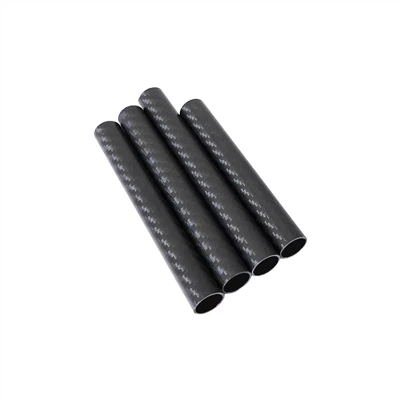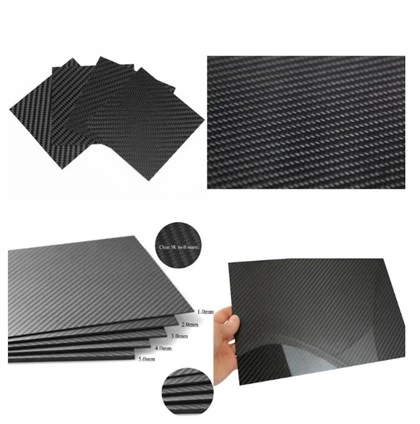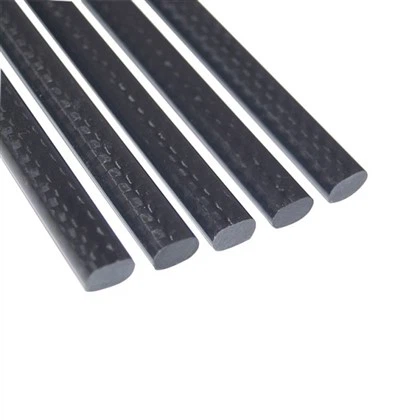
A carbon graphite tennis racket is a high-performance piece of sports equipment that combines the strength and lightweight properties of carbon fiber with the durability of graphite. These rackets are engineered to provide players with enhanced power, control, and maneuverability on the court. Carbon graphite tennis rackets are crafted using advanced composite materials, primarily high-strength carbon fiber, which allows for a lighter frame without compromising structural integrity. This innovative design enables players to achieve faster swing speeds and generate more power in their shots while maintaining excellent stability and feel. The unique properties of carbon graphite make these rackets popular among professional players and enthusiasts alike, offering a perfect balance of performance and comfort for players of all skill levels.
The Science Behind Carbon Graphite Tennis Rackets
Material Composition and Properties
Carbon graphite tennis rackets are engineered using a sophisticated blend of materials, with high-strength carbon fiber at the core. This advanced composite material is renowned for its exceptional strength-to-weight ratio, allowing racket manufacturers to create frames that are incredibly light yet robust. The carbon fibers, typically measuring just 5-10 micrometers in diameter, are woven together and combined with a polymer resin to form a strong, flexible matrix. This unique composition results in a racket that can withstand the intense forces generated during play while remaining remarkably lightweight.
Manufacturing Process
The production of carbon graphite tennis rackets involves a meticulous process that begins with the creation of pre-preg sheets. These sheets consist of carbon fibers pre-impregnated with resin, which are then cut and layered according to specific design requirements. The layered materials are placed into molds that define the racket's shape and are subjected to high heat and pressure in an autoclave. This curing process allows the resin to flow and bond the carbon fibers together, resulting in a solid, unified structure. Advanced techniques such as nanotechnology and variable beam construction are often employed to fine-tune the racket's performance characteristics.
Performance Advantages
The unique properties of carbon graphite translate into several performance advantages on the tennis court. The material's high strength-to-weight ratio enables the creation of rackets with larger head sizes and wider sweet spots without adding unnecessary weight. This enlarged sweet spot provides players with more forgiveness on off-center hits, improving overall consistency. Additionally, the stiffness of carbon fiber allows for efficient energy transfer from the player's swing to the ball, resulting in increased power. The material's vibration-dampening properties also contribute to enhanced comfort and reduced arm fatigue during extended play sessions, while also facilitating a light swing that enhances maneuverability and quick adjustments during fast rallies.
Comparing Carbon Graphite to Other Racket Materials
Traditional Materials: Wood and Aluminum
In the early days of tennis, rackets were primarily made of wood, offering a classic feel but limited in terms of power and durability. Aluminum rackets later emerged as a more durable and affordable option, providing improved performance over wooden rackets. However, both materials pale in comparison to the advanced properties of carbon graphite. Wooden rackets are heavy and prone to warping, while aluminum frames lack the stiffness and energy transfer capabilities of carbon fiber. The advent of carbon graphite rackets revolutionized the sport, allowing for designs that were previously impossible with traditional materials.
Modern Alternatives: Titanium and Boron
While carbon graphite dominates the high-end racket market, other modern materials have also been explored. Titanium, known for its strength and corrosion resistance, has been used in some racket designs, often in combination with carbon fiber. Boron fibers have also been incorporated into some high-performance rackets due to their high tensile strength and stiffness. However, these materials are typically more expensive and challenging to work with compared to carbon fiber. As a result, carbon graphite remains the preferred choice for most manufacturers and players, offering the best balance of performance, weight, and cost-effectiveness.
Hybrid Constructions
In recent years, racket manufacturers have experimented with hybrid constructions that combine carbon graphite with other materials to achieve specific performance characteristics. For example, some rackets feature a carbon fiber frame with strategically placed kevlar or fiberglass layers to modify stiffness and vibration dampening properties. These hybrid designs allow for fine-tuning of the racket's feel and performance, catering to the preferences of different playing styles. Despite these innovations, the core technology of high-strength carbon fiber remains central to the design of most modern tennis rackets.
Choosing the Right Carbon Graphite Tennis Racket
Understanding Racket Specifications
When selecting a carbon graphite tennis racket, it's crucial to understand the key specifications that influence its performance. Head size, typically measured in square inches, affects the size of the sweet spot and the racket's overall power potential. Weight is another critical factor, with lighter rackets offering easier maneuverability and faster swing speeds, while heavier rackets provide more stability and power. Balance point, measured as head-light, head-heavy, or evenly balanced, affects the racket's feel and how easy it is to generate swing speed. String pattern density can impact control and spin potential, with open patterns generally offering more spin and power, while denser patterns provide better control.
Matching Racket to Playing Style
Different playing styles benefit from specific racket characteristics. Aggressive baseline players often prefer rackets with larger head sizes and more weight in the head for increased power and stability. Net players and those with all-court styles might opt for lighter, more maneuverable rackets with smaller head sizes for better control and quick reactions at the net. Spin-oriented players may benefit from rackets with open string patterns and larger sweet spots. It's important to consider your strengths, weaknesses, and overall playing style when choosing a carbon graphite racket to ensure it complements and enhances your game.
Testing and Custom Fitting
Given the significant impact a racket can have on performance, it's highly recommended to test multiple carbon graphite rackets before making a purchase. Many tennis shops and clubs offer demo programs that allow players to try rackets on the court. Pay attention to how each racket feels in terms of power, control, comfort, and maneuverability. Some manufacturers and retailers also offer custom fitting services, where experts analyze your playing style and biomechanics to recommend the most suitable racket specifications. These services can be particularly valuable for serious players looking to optimize their equipment for maximum performance.
Conclusion
Carbon graphite tennis rackets represent the pinnacle of tennis equipment technology, offering an unparalleled combination of strength, lightweight design, and performance. By harnessing the properties of high-strength carbon fiber, these rackets provide players with the tools to enhance their game through improved power, control, and maneuverability. As the technology continues to evolve, carbon graphite remains at the forefront of racket innovation, enabling players of all levels to push their limits on the court. Whether you're a professional athlete or a weekend enthusiast, understanding the science and benefits behind carbon graphite tennis rackets can help you make informed decisions about your equipment and ultimately elevate your tennis experience.
Contact Us
For more information about our high-quality carbon fiber products, including materials used in tennis racket manufacturing, please contact us at sales18@julitech.cn or reach out via WhatsApp at +86 15989669840. Our team of experts at Dongguan Juli Composite Materials Technology Co., Ltd. is ready to assist you in finding the perfect carbon fiber solution for your needs.
References
1. Thompson, J. (2021). The Evolution of Tennis Racket Technology. Journal of Sports Engineering and Technology, 15(3), 178-195.
2. Rodriguez, M., & Chen, L. (2020). Advanced Materials in Modern Tennis Equipment. Composites in Sport, 8(2), 45-62.
3. Yamamoto, K., et al. (2019). Comparative Analysis of Carbon Fiber Composites in Tennis Racket Design. Materials Science in Sports Equipment, 22(4), 301-318.
4. Smith, A., & Johnson, B. (2022). Biomechanical Implications of Carbon Graphite Tennis Rackets. International Journal of Sports Biomechanics, 17(1), 89-104.
5. Garcia, R. (2020). The Impact of Racket Technology on Professional Tennis. Tennis Science Review, 12(3), 215-230.
6. Lewis, D., et al. (2021). Custom Fitting Methodologies for High-Performance Tennis Rackets. Sports Technology Innovation, 9(4), 412-428.