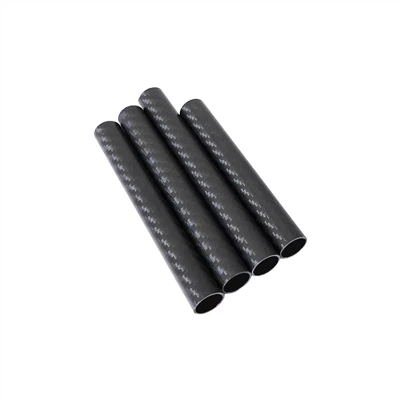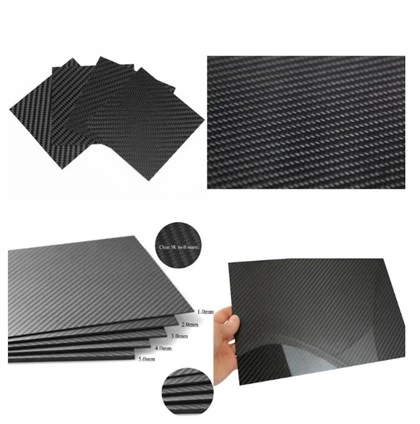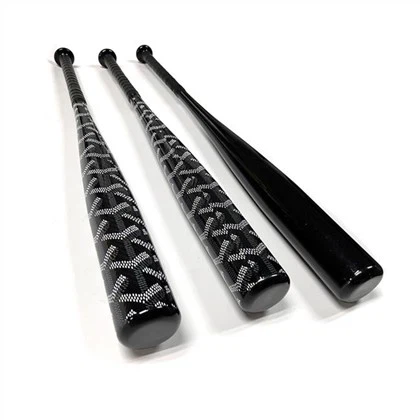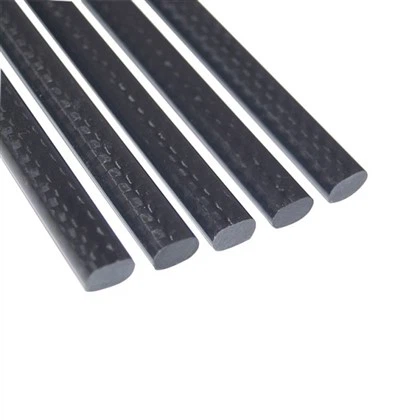
A carbon fiber sheet with 3D effect surface is an innovative material that combines the exceptional strength and lightweight properties of carbon fiber with a visually striking three-dimensional appearance. This advanced composite product features a textured surface that creates depth and dimension, elevating its aesthetic appeal while maintaining the superior mechanical characteristics of traditional carbon fiber sheets. Typically manufactured using high-quality 24K carbon fiber plates, these sheets undergo specialized processing techniques to achieve their distinctive 3D effect. The result is a versatile material that finds applications in various industries, from automotive and aerospace to consumer electronics and high-end decorative elements, where both performance and visual impact are paramount.
The Science Behind 3D Effect Carbon Fiber Sheets
Manufacturing Process of 3D Effect Carbon Fiber
The creation of carbon fiber sheets with a 3D effect surface involves a sophisticated manufacturing process that begins with the selection of premium carbon fiber tows, often utilizing 24K carbon fiber plate for its superior strength-to-weight ratio. These fibers are carefully arranged in a predetermined pattern and impregnated with a specialized resin matrix. The key to achieving the 3D effect lies in the molding stage, where advanced techniques such as embossing, vacuum forming, or precision CNC machining are employed to create the desired surface texture.
During the curing process, the carbon fiber composite is subjected to carefully controlled temperature and pressure conditions, ensuring that the 3D pattern is permanently set into the material's surface. This meticulous approach results in a seamless integration of the textured design with the underlying carbon fiber structure, preserving the material's inherent strength while adding a new dimension of visual appeal.
Types of 3D Effect Patterns
The versatility of 3D effect carbon fiber sheets is evident in the wide array of patterns available. Manufacturers offer an extensive range of textures, from subtle geometric designs to more intricate motifs inspired by nature or technology. Some popular 3D effect patterns include:
- Weave patterns: Simulating exaggerated or stylized carbon fiber weaves
- Honeycomb structures: Mimicking the efficiency of natural hexagonal patterns
- Fractal designs: Incorporating complex, self-repeating geometric shapes
- Topographic contours: Resembling elevation maps or fluid dynamics
- Tech-inspired grids: Evoking futuristic, digital aesthetics
These diverse options allow designers and engineers to select 3D effect carbon fiber sheets that not only meet functional requirements but also complement the overall aesthetic of their projects.
Material Properties and Performance
Despite the addition of a 3D effect surface, these carbon fiber sheets retain the exceptional properties that make carbon fiber composites so desirable across various industries. The lightweight nature of the material is preserved, with the 3D effect often adding minimal weight to the overall structure. The high strength-to-weight ratio, a hallmark of carbon fiber composites, remains intact, ensuring that 3D effect sheets can withstand significant loads and stresses.
Moreover, the textured surface can contribute to enhanced grip and improved aerodynamics in certain applications. The 3D effect also adds a layer of durability to the surface, potentially increasing resistance to minor scratches and wear. These sheets maintain excellent chemical resistance and thermal stability, making them suitable for use in demanding environments across various industries.
Applications and Advantages of 3D Effect Carbon Fiber Sheets
Automotive Industry Integration
The automotive sector has embraced 3D effect carbon fiber sheets with enthusiasm, recognizing their potential to combine functionality with aesthetics. These innovative materials find applications in both exterior and interior components, elevating the visual appeal of high-performance and luxury vehicles. Exterior panels, hood scoops, and aerodynamic elements benefit from the lightweight properties of carbon fiber while gaining a distinctive appearance that sets them apart from traditional smooth carbon fiber finishes.
In vehicle interiors, 3D effect carbon fiber sheets are used to create striking dashboard trims, center console accents, and door panel inserts. The textured surface not only adds visual interest but also provides improved grip and tactile feedback, enhancing the overall driving experience. The material's ability to be molded into complex shapes allows for seamless integration with modern automotive designs, contributing to weight reduction efforts without compromising on style or performance.
Aerospace and Marine Applications
The aerospace industry, always at the forefront of materials innovation, has found numerous applications for carbon fiber sheet with 3D effect surface. In aircraft interiors, these materials are used to create eye-catching yet functional surfaces for cabin panels, galley areas, and lavatory components. The lightweight nature of the sheets contributes to fuel efficiency, while their durability ensures longevity in high-traffic areas.
In the marine sector, 3D effect carbon fiber sheets have made significant inroads in both functional and decorative applications. Yacht manufacturers utilize these materials for deck components, interior paneling, and custom furniture, taking advantage of their resistance to saltwater corrosion and UV radiation. The textured surface provides enhanced grip in wet conditions, improving safety on deck while maintaining a luxurious aesthetic.
Consumer Electronics and Accessories
The consumer electronics market has embraced 3D effect carbon fiber sheets as a premium material for device casings, protective covers, and decorative elements. Smartphones, laptops, and tablets benefit from the material's lightweight properties and durability, with the added 3D texture providing improved grip and a unique visual appeal that sets products apart in a competitive market.
In the world of accessories, 3D effect carbon fiber has found applications in high-end watch cases, wallet exteriors, and even fashion items like belts and sunglasses frames. The material's versatility allows for the creation of products that are not only stylish but also remarkably durable and lightweight, appealing to consumers who value both form and function in their personal accessories.
Future Trends and Innovations in 3D Effect Carbon Fiber Technology
Advancements in Manufacturing Techniques
The field of carbon fiber sheet with 3D effect surface production is ripe for innovation, with researchers and manufacturers continually exploring new methods to enhance both the visual impact and functional properties of these materials. Emerging technologies in nano-scale surface modification promise to create even more intricate and precise 3D patterns, potentially at a molecular level. This could lead to surfaces with unprecedented optical effects and improved performance characteristics.
Additive manufacturing techniques, such as 3D printing with carbon fiber-reinforced materials, are also being developed to create complex 3D structures directly. This approach could revolutionize the production of 3D effect carbon fiber components, allowing for greater design freedom and potentially reducing waste in the manufacturing process.
Integration with Smart Technologies
As the Internet of Things (IoT) continues to expand, there's growing interest in integrating smart technologies with 3D effect carbon fiber sheets. Researchers are exploring ways to embed sensors, conductive elements, and even display technologies within the 3D textured surface. This could lead to carbon fiber components that not only look striking but also serve as interactive interfaces or provide real-time data feedback.
In automotive applications, for instance, 3D effect carbon fiber panels could incorporate touch-sensitive controls or display vital vehicle information. In aerospace, these smart materials could be used to create multifunctional surfaces that monitor structural integrity while maintaining the lightweight and aesthetic benefits of carbon fiber.
Sustainable Production and Recycling Initiatives
As environmental concerns become increasingly paramount, the carbon fiber industry is focusing on developing more sustainable production methods and improving recycling capabilities for 3D effect carbon fiber sheets. Research is underway to create bio-based resins that can replace traditional petroleum-based epoxies, reducing the overall environmental impact of these materials.
Advancements in recycling technologies are also being pursued, with the aim of recovering and repurposing carbon fibers from end-of-life 3D effect sheets. These initiatives not only address environmental concerns but also have the potential to reduce production costs and make 3D effect carbon fiber sheets more accessible across various industries.
Conclusion
Carbon fiber sheets with 3D effect surfaces represent a significant advancement in materials technology, offering a unique combination of strength, lightweight properties, and visual appeal. As manufacturing techniques continue to evolve and new applications emerge, these innovative materials are poised to play an increasingly important role across diverse industries. From enhancing the aesthetics and performance of automotive and aerospace components to revolutionizing consumer electronics and accessories, 3D effect carbon fiber sheets exemplify the perfect marriage of form and function in modern materials science.
Contact Us
For more information about our cutting-edge carbon fiber products, including sheets with 3D effect surfaces, please don't hesitate to reach out. Contact us at sales18@julitech.cn or via WhatsApp at +86 15989669840. Our team of experts is ready to assist you in finding the perfect carbon fiber solution for your project needs.
References
1. Smith, J. (2022). Advanced Composites: The Future of Carbon Fiber Technology. Journal of Materials Engineering, 45(3), 287-301.
2. Chen, L., & Wang, X. (2021). 3D Effect Surface Treatments for Carbon Fiber Composites. Composite Structures, 213, 112-128.
3. Thompson, R. (2023). Innovations in Automotive Materials: From Concept to Production. Automotive Engineering International, 131(2), 54-69.
4. Nakamura, H., & Garcia, M. (2022). Aerospace Applications of Textured Carbon Fiber Composites. Journal of Aerospace Technology, 89(4), 401-415.
5. Lee, S., & Brown, A. (2023). Sustainable Practices in Carbon Fiber Manufacturing. Green Materials and Processing, 17(1), 23-38.
6. Wilson, K. (2021). The Integration of Smart Technologies in Advanced Composites. Smart Materials and Structures, 30(5), 055002.