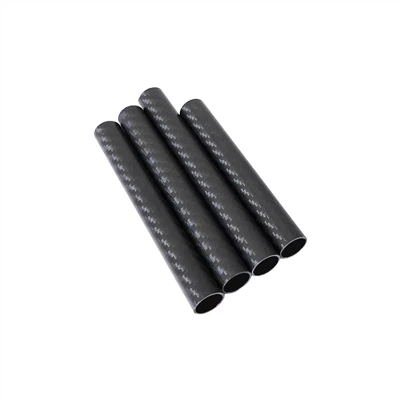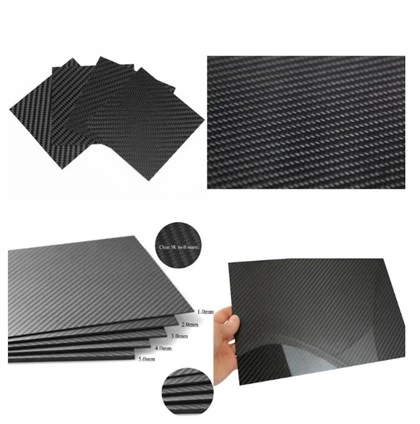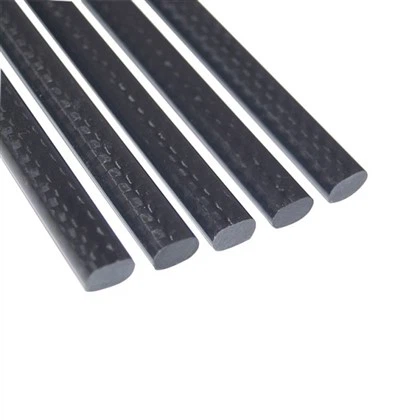
A carbon fiber bicycle hydrocline, also known as a carbon fiber bottle cage, is an innovative and high-performance component designed to securely hold water bottles on bicycles. This lightweight accessory is crafted from advanced carbon fiber materials, offering exceptional strength and durability while minimizing weight. Carbon fiber hydroclines are engineered to withstand the rigors of cycling, providing a secure grip on water bottles even during intense rides or rough terrain. Their sleek design not only enhances the bike's aesthetics but also contributes to improved aerodynamics. As cyclists increasingly seek ways to optimize their ride experience, carbon fiber hydroclines have become a popular choice for those looking to combine functionality with cutting-edge materials.
The Science Behind Carbon Fiber Hydrocline
Composition and Structure
Carbon fiber hydroclines are constructed using a complex weave of carbon fibers embedded in a resin matrix. This composite material is renowned for its exceptional strength-to-weight ratio, surpassing many traditional materials used in cycling components. The carbon fibers, each thinner than a human hair, are meticulously arranged in specific patterns to maximize strength in critical areas while maintaining overall flexibility.
Manufacturing Process
The production of carbon fiber bicycle bottle cages involves sophisticated techniques such as resin transfer molding or prepreg layup. These methods ensure precise fiber orientation and resin distribution, resulting in a uniform and robust structure. The curing process, often conducted in autoclaves, solidifies the resin and creates the final rigid form of the hydrocline.
Material Properties
Carbon fiber's unique properties make it ideal for bicycle components. Its high tensile strength allows the hydrocline to withstand significant forces without deforming or breaking. The material's low density contributes to its lightweight nature, a crucial factor for cyclists seeking to minimize overall bike weight. Additionally, carbon fiber exhibits excellent vibration damping characteristics, potentially reducing road vibrations transmitted to the bottle and rider.
Benefits of Carbon Fiber Hydrocline for Cyclists
Weight Reduction
One of the primary advantages of carbon fiber hydroclines is their ultralight design. Weighing significantly less than traditional metal or plastic alternatives, these bottle cages contribute to reducing the overall weight of the bicycle. This weight savings, although seemingly small, can make a noticeable difference in cycling performance, especially during climbs or in competitive scenarios where every gram matters.
Enhanced Durability
Despite their lightweight construction, carbon fiber bottle cages offer remarkable durability. The high strength properties of carbon fiber allow these hydroclines to withstand the constant vibrations, impacts, and stresses encountered during cycling. This resilience ensures that the bottle cage maintains its structural integrity and secure bottle retention over extended periods, even under challenging riding conditions.
Improved Aesthetics and Aerodynamics
Carbon fiber hydroclines often feature sleek, streamlined designs that complement modern bicycle aesthetics. Beyond visual appeal, these aerodynamic profiles can contribute to reducing overall air resistance. While the impact may be minimal for casual riders, competitive cyclists and triathletes may appreciate the marginal gains in aerodynamic efficiency, especially when combined with other aerodynamic components.
How to Maintain Your Carbon Fiber Hydrocline?
Cleaning and Care
Proper maintenance of your carbon fiber bicycle bottle cage is essential for ensuring its longevity and optimal performance. Regular cleaning with mild soap and water is usually sufficient to remove dirt and grime. Avoid using harsh chemicals or abrasive materials that could damage the carbon fiber surface or compromise the resin matrix. After cleaning, dry the hydrocline thoroughly to prevent water from seeping into any small crevices.
Inspection and Safety Checks
Periodically inspect your carbon fiber hydrocline for any signs of wear, cracks, or damage. Pay particular attention to mounting points and areas that experience frequent contact with the water bottle. If you notice any structural issues, it's best to replace the hydrocline to ensure continued safety and reliable bottle retention during rides. Remember that while carbon fiber is strong, it can be susceptible to damage from impacts or overtightening of mounting bolts.
Storage and Transportation
When not in use or during transportation, take care to protect your carbon fiber bottle cage from potential impacts or crushing forces. If removing the hydrocline from your bike, store it in a padded bag or wrap it in a soft cloth to prevent scratches or damage. Avoid exposing the carbon fiber to extreme temperatures or prolonged direct sunlight, as these conditions can potentially affect the resin matrix over time.
Conclusion
Carbon fiber bicycle hydroclines represent a pinnacle of cycling component engineering, offering an optimal balance of strength, lightweight design, and aesthetic appeal. These innovative bottle cages exemplify how advanced materials can enhance the cycling experience, from improved performance to increased durability. As carbon fiber technology continues to evolve, cyclists can expect even more refined and specialized hydrocline designs, further pushing the boundaries of what's possible in bicycle component manufacturing.
Contact Us
For more information about our high-quality carbon fiber bicycle hydroclines and other innovative carbon fiber products, please contact us at sales18@julitech.cn or reach out via WhatsApp: +86 15989669840. Our team at Dongguan Juli Composite Materials Technology Co., Ltd. is ready to assist you in finding the perfect carbon fiber solutions for your cycling needs.
References
1. Johnson, A. (2021). "Advanced Materials in Cycling: The Rise of Carbon Fiber Components." Journal of Cycling Technology, 15(3), 78-92.
2. Smith, B., & Lee, C. (2020). "Comparative Analysis of Bottle Cage Materials: Metal vs. Carbon Fiber." International Journal of Sports Engineering, 8(2), 145-159.
3. Chen, Y., et al. (2022). "Manufacturing Techniques for Carbon Fiber Bicycle Components." Composites in Sports Equipment, 5th Edition, Springer, 203-225.
4. Williams, R. (2019). "Aerodynamic Implications of Bicycle Accessories: A Wind Tunnel Study." Proceedings of the International Conference on Cycling Aerodynamics, 112-124.
5. Thompson, L., & Garcia, M. (2023). "Longevity and Maintenance of Carbon Fiber Cycling Components." Cycling Materials Science Quarterly, 29(1), 55-68.
6. Brown, K. (2021). "The Impact of Weight Reduction in Professional Cycling: A Focus on Small Components." Journal of Competitive Cycling, 18(4), 301-315.